
Reviewed · WALKING TOURS
Prague Art Nouveau and Cubism Walking Tour
Prague’s architecture can feel like a history book written in stone. This three-hour walk shows you how to read it, from gingko-leaf façades and curving Art Nouveau lines to the sharp pyramids and crystal forms of Czech Cubism. Guides such as Vadim, Vadim, Bonita, Betty, and Matous have led this experience, with an emphasis on stories rather than quick photo stops.
I like two things here. First, the group is capped at eight people, which makes it easier to ask questions and step into lesser-known interiors. Second, the tour ties architecture to politics, technology, war, and Czech national identity. The main drawback is the price, $126.71 per person for about three hours. That is a serious outlay for a walking tour, though the small group and specialist guide make it more defensible than a standard city stroll.
Key points to know before you book
- You see Prague’s design in its historical setting: Art Nouveau, Cubism, Art Deco, and Czech politics all share the same route.
- The House of the Black Madonna is the Cubist highlight: Its angular design offers a clear introduction to Prague’s unusual Cubist style.
- Several stops include important interiors: Café Imperial, Lucerna, the main train station, and other public spaces add detail beyond street façades.
- A historian leads the walk: Guides including Vadim, Bonita, Betty, Matous, and others bring different interests and personalities to the route.
- The group never exceeds eight people: That small size supports questions and route adjustments.
- You finish at Café Louvre: The historic café is close to central restaurants and sights, making the end point useful for continuing your day.
Why Prague is such a good city for Art Nouveau and Cubism
Many European cities have fine Art Nouveau buildings. Prague has those, but it also became one of Europe’s leading centers for Cubist art. That combination gives this walk its appeal.
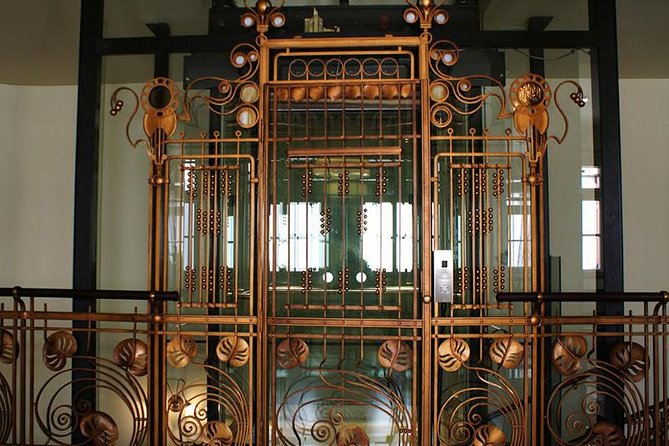
Art Nouveau favors movement. Look for plant forms, curved lettering, decorative lamps, and façades that seem to grow rather than stand still. The tour points out gingko leaves and Eastern artistic influence, helping you recognize details that can disappear when you are simply hurrying between Old Town Square and Charles Bridge.
Cubism is the sharper counterpoint. Instead of soft curves, you get triangles, pyramids, faceted surfaces, and crystal-like shapes. In Prague, Cubism was applied to buildings, furniture, interiors, and everyday design. The result is more than an art lesson. It shows how Czech artists and architects were searching for a modern national style during a period of major political change.
The guide also connects design to technology. At Obecni Dum, you hear about central heating, ventilation, drinking water, hydraulic elevators, steam-powered laundry, and an intercom system. Those details matter because they reveal the building as a piece of modern infrastructure, not just an ornate shell.
More Walking Tours in Prague:
- Prague: 3-Hour Walking Tour of Old Town & Prague Castle
★ 4.7 · 5,696 reviews - Prague: Ghost Walking Tour Where Legends Come To Life
★ 4.4 · 5,253 reviews - Prague: Jewish Quarter Walking Tour with Admission Tickets
★ 4.7 · 3,729 reviews
Starting at the House of the Black Madonna
The walk begins at Ovocný trh 19 in Staré Město, close to public transportation and central Prague sights. The first major stop is the House of the Black Madonna, a ten-minute look at one of the city’s clearest examples of Cubist architecture.
This is a smart place to begin. The building gives you a visual vocabulary for the rest of the tour: angular planes, geometric shapes, and a sense that the façade has been folded into sharp facets. Once the guide explains those features, you can spot them more easily elsewhere.
The stop is brief, and admission is not included because there is no admission charge listed for the visit. You should think of the tour as an exterior-focused architectural walk with selected interior views, not a museum visit with long time inside each building.
Obecni Dum and the technology of Art Nouveau
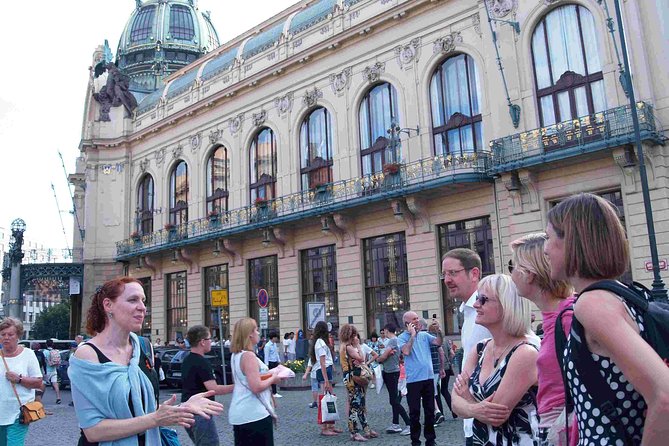
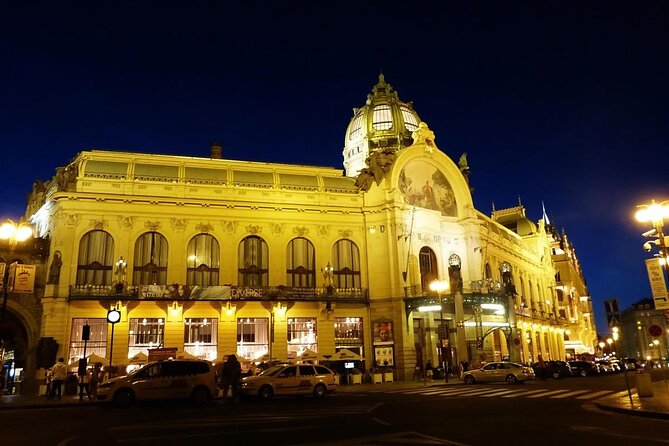
Obecni Dum receives about fifteen minutes, making it one of the more substantial stops. This is one of Prague’s essential Art Nouveau landmarks, and its decorative surface gives the guide plenty to discuss.
The building’s importance goes beyond flowers, curves, and elaborate lighting. Its construction introduced modern comforts and systems that were remarkable for the period. Learning about ventilation, elevators, water, laundry equipment, and communication systems turns a pretty building into a snapshot of Czech optimism and technical ambition.
This is also where the tour’s method becomes clear. You are not merely told that a building is Art Nouveau. You learn how the style fits the aspirations of the people who built it. That approach is especially useful if architecture is not normally your subject.
Prague’s first Art Nouveau building and Café Imperial
The K+K Hotel Central Prague is identified as Prague’s first Art Nouveau building. You spend about ten minutes here, considering the early shape of the movement and how it developed in the city.
The stop has a practical bonus. If you happen to be staying at the hotel, the tour can change the way you see your own lodging. One participant staying there returned afterward to look at the building again with fresh eyes. That is one of the best results a city walk can offer: it teaches you to notice your surroundings for the rest of the trip.
Café Imperial gets about five minutes. The focus is its Art Nouveau interior, so this is a quick look rather than a scheduled meal. Food and drinks are not included, but the café can be useful for a later break if you want to return on your own.
You might also find that restaurant interiors become part of your sightseeing. Several stops are places where you can later eat while continuing to look at the decoration. That makes the walk practical for people who want architecture and meals to overlap.
A few more Prague half-days to weigh up
- Prague: 50-Minute Sightseeing Evening Cruise
★ 4.2 · 33,780 reviews - Prague: Medieval Dinner with Unlimited Drinks
★ 4.4 · 19,847 reviews - Prague: Skip-the-line Castle Ticket and Optional AudioGuide
★ 4.3 · 11,121 reviews - Prague: Castle Tour with Local Guide and Entry Ticket
★ 4.6 · 10,422 reviews
Czechoslovak Legion Bank and Cubism with a political edge
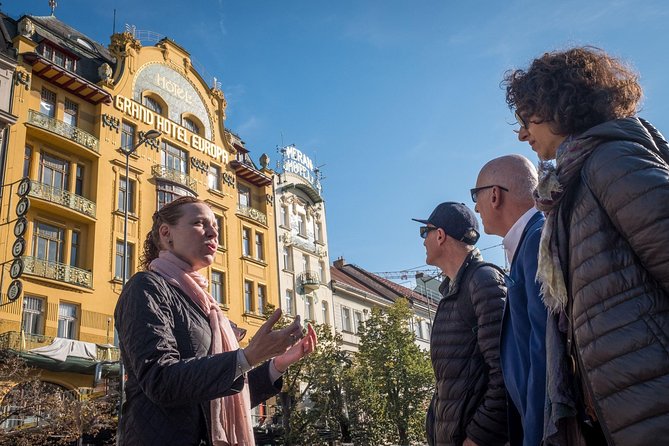
The Czechoslovak Legion Bank receives about ten minutes. Its Cubist architecture and interior relate to the Czechoslovak Legion of the First World War, adding a political and military layer to the design discussion.
This is an important change of tone. Cubism can seem like a purely artistic experiment until you see how architecture was tied to national identity. The guide explains how wars and political shifts changed Prague’s direction, so the building becomes part of a larger story about the creation and development of Czechoslovakia.
The strongest guides on this tour appear to be those who connect visual details to economic and political forces. Vadim, for example, has been praised for explaining how changing architecture related to politics and economic conditions. That is the kind of context that separates this walk from a list of dates and building names.
Prague Main Train Station’s Art Nouveau dome
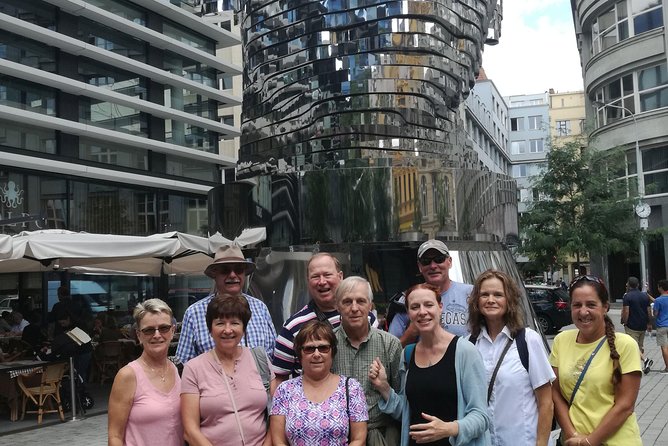
Prague hlavní nádraží, the city’s main train station, is another useful stop. Its magnificent Art Nouveau dome shows how a major transport building could also serve as a public display of style and confidence.
The station is more than a decorative pause. One guide also helped participants understand how to navigate the main train station, a useful service if you are arriving or departing by rail. Since the tour does not include hotel pickup or drop-off, and you make your own way around Prague, this practical knowledge has real value.
You spend around ten minutes here. The station can be busy, so listen closely and keep your attention on the guide. This is one place where a small group helps, since it is easier to stay together than in a large crowd.
Wenceslas Square from Art Nouveau to Art Deco
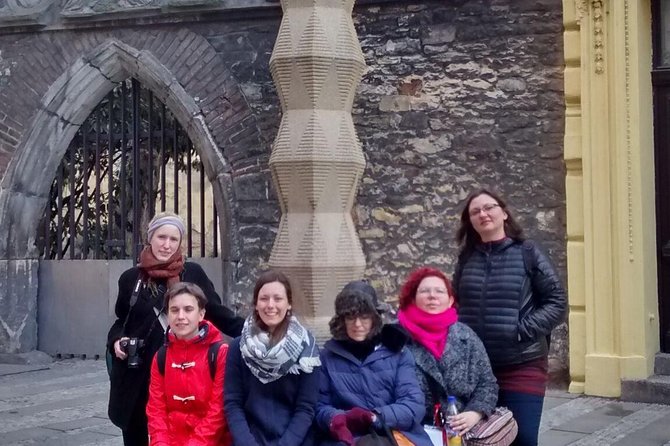
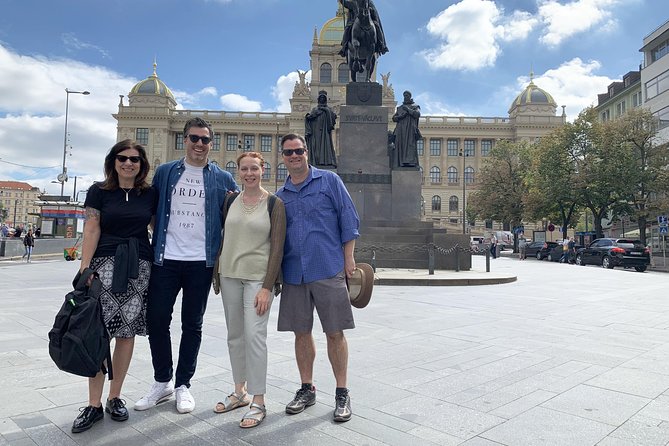
Wenceslas Square receives about fifteen minutes, and this is where the tour broadens from Art Nouveau into Art Deco. The square is one of the best places to see how Prague’s architectural taste changed over time.
The guide discusses the buildings around the square in relation to Czech society and national revival. The focus is not just on façades. You learn how public spaces can reflect changing ideas about independence, modern life, and national culture.
This stop also helps you understand that architectural categories are not sealed boxes. Art Nouveau, Cubism, and Art Deco overlap in Prague, and the walk is designed to show those transitions. If you have a special interest in Art Deco or Cubism, tell your guide early. The small group allows the route and explanations to be adjusted to the interests of the people walking.
Lucerna and Prague’s turn-of-the-century optimism
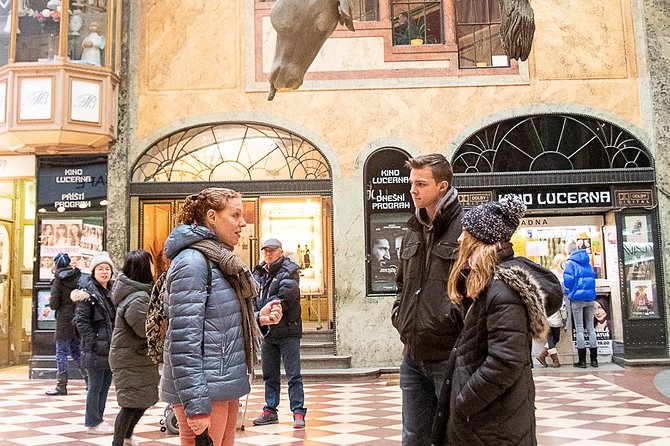
Lucerna Music Bar is one of the more atmospheric stops. You spend about ten minutes viewing the Art Nouveau interior of one of Prague’s most beautiful arcades.
The Lucerna complex offers a look at the social side of architecture. It is not only a façade to photograph. It suggests the entertainment, confidence, and avant-garde movements of turn-of-the-century Prague. The guide uses this setting to explain how wars later changed the course of the city.
This is where the walk gains emotional range. Decorative design can seem carefree, but it was created in a Europe heading toward crisis. Placing optimism beside war makes the architecture easier to understand and harder to dismiss as mere decoration.
The upside-down King Wenceslas statue
The final listed sight is the upside-down statue of King Wenceslas riding a dead horse. You spend about ten minutes discussing its symbolism in relation to Czech history and the Czech National Revival.
The sculpture is contemporary, but the subject reaches back into national identity and public memory. It is a fitting ending because it links Prague’s historic architectural traditions to its later, more ironic artistic voice.
This is also a welcome change after several buildings. You are no longer looking only at period design. You are considering how modern artists comment on the past, and how Prague continues to use public art to question its own stories.
Finishing at Café Louvre
The tour ends at Café Louvre, Národní 22, at the center of New Town. The café opened in 1902 and is associated with figures including Franz Kafka, Albert Einstein, and T. G. Masaryk.
Food and drinks are not part of the tour price, but ending here gives you an easy option. You can stay for a coffee or meal, or continue to nearby restaurants and attractions. The end point is more useful than a random street corner because it gives you a historic place to pause and process what you have seen.
The scheduled start time provided for this departure is 10:00 a.m. Morning is a sensible choice if you want to use the rest of the day for museums, the Old Town, or a return to one of the cafés and buildings introduced on the route. A choice of morning or afternoon departure is available, so you can fit the walk around your plans.
The guide makes the difference
This experience depends heavily on the person leading it. Guides named in the available tour information include Vadim, Vadim, Bonita, Betty, Matous, and Vitam. Their strengths include architecture, Czech history, Art Nouveau, Cubism, Art Deco, and the ability to adapt the walk to questions.
Bonita has been described as especially good at linking buildings to the people and events behind them. Betty adjusted a private walk for strong walkers and even used a tram to reach an area farther away. Vadim has tailored explanations toward Cubism and Art Deco, while Matous brings clear enthusiasm for the Art Nouveau period.
Do not expect every departure to feel identical. A historian guide brings interpretation, and different guides will tell stories in different ways. That is a benefit if you enjoy conversation, but it also means the pace and emphasis can vary.
The small group is a major advantage. With no more than eight people, you can ask why a building uses a particular shape, request more detail about politics, or explain that you want to focus on interiors. The tour has also worked well for a wide age range, from young adults to older family members, because the subject is presented through stories and visible details rather than a formal lecture.
Is $126.71 a fair price?
At $126.71 per person, this is expensive for a three-hour walk. You are paying for a specialist historian, a group limited to eight, and an interpretation of Prague that goes well beyond the usual Old Town highlights.
The value improves if you are genuinely interested in architecture, design, or Central European history. It also improves if you take the walk early in your stay. The lessons about façades, interiors, national revival, and Cubist forms can sharpen your sightseeing for the rest of the visit.
The price is harder to justify if you want a broad introduction to Prague’s major landmarks, a food tour, or admission to museums. No meals, hotel transport, or paid attraction tickets are included. You are buying expertise and access to a carefully explained route, not a bundle of extras.
Group discounts are available, and the tour offers mobile tickets. Free cancellation is allowed up to 24 hours before the start time. Changes or cancellations inside that window are not accepted for a refund.
Who should take this walk?
I would choose this tour for you if you enjoy looking closely at buildings and want to know why they look the way they do. It is also a strong choice if you have already seen Prague’s famous sights and want a more focused subject.
You do not need an architecture degree. Several people have found the tour rewarding even without a special interest in design because the guide connects buildings to daily life, politics, technology, and Czech identity.
You should think twice if three hours on foot sounds tiring or if you prefer entering museums and spending a long time inside each one. Most travelers can participate, but the experience is still a walking tour, and some route changes may depend on the group’s interests and walking ability.
Bring comfortable shoes and prepare for changing weather. A rainy day did not prevent one guide from showing public and private examples, but wet conditions can make any city walk less pleasant. The walk does not include food or drinks, so plan a café stop before or after.
Should you book the Prague Art Nouveau and Cubism Walking Tour?
Book it if you want Prague to make more sense, not simply look pretty. The route covers major buildings, lesser-known details, striking interiors, and a wide sweep of Czech political and cultural history.
I especially recommend it near the start of your stay. Afterward, you will recognize Art Nouveau curves, Cubist angles, and Art Deco transitions all over the city. The cost is high, but the eight-person limit and historian-led format give it a clear purpose.
Skip it if you want a low-cost overview or prefer sightseeing without a set pace. For everyone else, particularly architecture fans, curious first-time visitors, and people who like asking questions, this is one of the more useful ways to spend three hours in central Prague.
FAQ
How long is the Prague Art Nouveau and Cubism Walking Tour?
The tour lasts approximately three hours.
Where does the tour start?
The meeting point is Ovocný trh 19, Staré Město, Prague 1.
Where does the tour end?
The tour ends at Café Louvre, Národní 22, in Prague’s New Town.
What time does the tour start?
The listed departure starts at 10:00 a.m. Morning and afternoon departure choices are available.
How many people can join the tour?
The maximum group size is eight travelers.
Are food, drinks, and hotel transfers included?
No. Food and drinks are not included unless specified, and hotel pickup and drop-off are not provided.
Recently added around Prague
- St Vitus Cathedral and Prague Castle Private Walking Tour★ 4.0 · 3 reviews
- Prague: Old Town and Jewish Quarter Small-Group Tour★ 5.0 · 3 reviews
- Royal Splendor Unveiled Private Prague Castle Interior Tour★ 3.5 · 3 reviews
- Prague Castle Interiors & Changing of the Guard-Small group★ 5.0 · 3 reviews
- Prague: Bohemian & Saxon Switzerland National Park Day Trip★ 5.0 · 3 reviews
- Running Tour of Prague. Your private 6-9K intro★ 5.0 · 3 reviews
- PRAGUE AIRSOFT SHOOTING GAMES★ 4.7 · 3 reviews
- Private walking tour and Boat cruise Best of Prague★ 5.0 · 3 reviews
Walking Tours, compared.
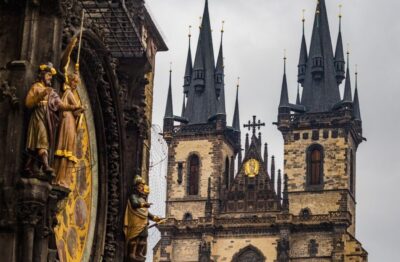
3-Hour Walking Tour of Old Town & Prague Castle
Read our review →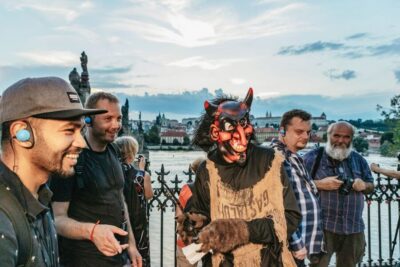
Ghost Walking Tour Where Legends Come To Life
Read our review →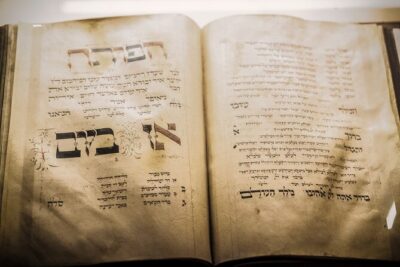
Jewish Quarter Walking Tour with Admission Tickets
Read our review →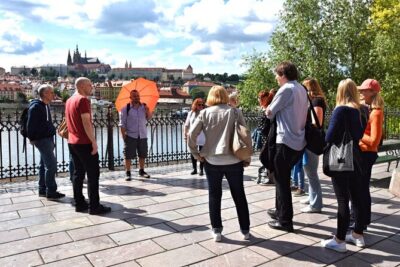
Prague Guided Walking Tour and Cruise with Authentic Czech Lunch
Read our review →
Old Town and Jewish Quarter Guided Walking Tour
Read our review →
Prague Ghost and Legend of Old Town Walking Tour
Read our review →
Prague 3-hour Afternoon Walking Tour including Prague Castle
Read our review →
Ghosts and Legends Nighttime Guided Walking Tour
Read our review →Browse the lists this tour appears in