Reviewed · PRAGUE TOURS
Taste, Cook and Dine Traditional Czech
Traditional Czech cooking comes alive in this small-group class, where you do more than watch a chef work. You taste sausages, cheeses, jams, pickles, and seasonal produce, then help prepare dishes such as bread dumplings, potato-sauerkraut pancakes, or fruit dumplings. I like the personal scale, with no more than eight people, and the way host Bret links each recipe to Czech customs and history. The Moravian wine tasting adds another welcome layer.
I also like that the meal unfolds at an easy pace, with snacks and conversation before the main course rather than one rushed cooking demonstration. The main consideration is price: at $167.75 per person, this is a serious food splurge, and much of the final meal is prepared in advance rather than cooked entirely by you.
Key points at a glance
- A three-and-a-half-hour food evening: The class combines tasting, cooking, storytelling, wine, and a sit-down meal.
- A genuinely small group: The maximum is eight people, so you should have room to take part instead of standing at the back.
- Classic Czech dishes: Depending on the season, you may help make dumplings, potato pancakes, a spread, salad, or dessert.
- More than one glass of wine: You taste three Czech wines, including bottles from Moravia, plus a sample of Czech fruit brandy.
- A local host with a warm approach: Bret leads the class, with some sessions also involving Aide or his sister Svetlana.
- A Karlín location: The meeting point is Křižíkova 70/67 in Prague 8, near public transportation, and the class returns there at the end.
Why this class is different from a standard Prague meal
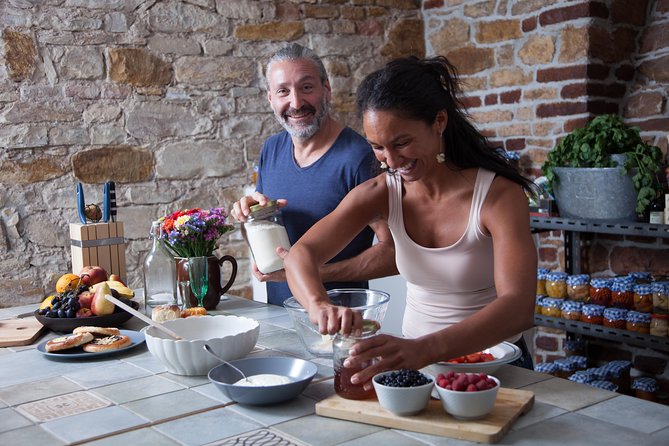
Many food activities give you a plate and a short explanation. This one asks you to take part in the meal from the start. You might grate cheese, flip a potato pancake, shape dumplings, or help assemble a cold starter. Those small jobs matter because Czech food is closely tied to home cooking, preserving, farming, and practical use of local ingredients.
Bret also uses the food to explain Czech life. You learn why certain dishes became common in Czech homes, what people grew or raised, and how those ingredients shaped everyday cooking. That makes the class useful for you if you want more than a restaurant introduction.
The tone is social rather than formal. You snack while cooking, swap stories, listen to music, and share wine around the table. Solo visitors can fit in well, and couples or family groups can expect a relaxed evening rather than a technical chef-training session.
The class is offered in English. It is best understood as a cultural food experience with hands-on cooking, not as a professional culinary course.
A few more Prague half-days to weigh up
- Prague: 50-Minute Sightseeing Evening Cruise
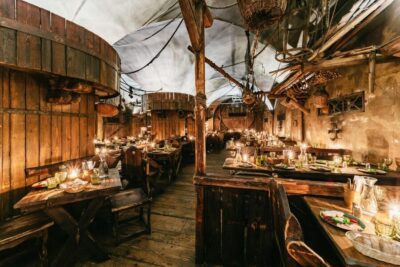
★ 4.2 · 33,780 reviews - Prague: Medieval Dinner with Unlimited Drinks
★ 4.4 · 19,847 reviews - Prague: Skip-the-line Castle Ticket and Optional AudioGuide
★ 4.3 · 11,121 reviews
Starting with Czech snacks, cheese, and homemade preserves
The evening begins with a spread of typical Czech delicacies. The exact selection can change, but the menu includes sausages, cheeses, homemade jams, pickles, bread, seasonal vegetables, and fruit.
This opening tasting is one of the strongest parts of the experience. It gives you a quick sense of the Czech pantry before you begin cooking. Pickles and preserves show how food was stored for colder months, while sausages and cheese provide a taste of the country’s traditional farm products.
You should arrive ready to eat a little at a time. This is not a class where you wait hungry for the final plate. Small tastings continue through much of the session, and the food adds up.
The range also helps you understand how Czech meals are built. Bread, spreads, smoked meats, dairy, root vegetables, cabbage, and fruit each have a place. Instead of treating Czech cuisine as only goulash and dumplings, the class gives you a wider picture.
Making a seasonal starter with your own hands
After the initial tasting, you help prepare one starter. Depending on the season, this could be potato-sauerkraut pancakes, a quark cheese spread, or a carrot and kohlrabi salad.
The potato-sauerkraut pancakes are the most active option. You may get to grate ingredients, mix the batter, and flip the pancakes in the pan. The reviews repeatedly point to the fun of hands-on work, including cheese grating and pancake flipping, so expect to participate rather than simply watch.
The quark spread and vegetable salad offer a gentler task. They still show how Czech cooks use simple ingredients, but they may feel less like a cooking lesson if you hoped for constant action.
That seasonal approach is a plus, though it means you cannot count on one fixed menu. If you have your heart set on a particular dish, ask before booking. The experience promises traditional Czech food, but the exact starter changes.
Bread dumplings and the logic of Czech comfort food
Bread dumplings are a key part of the class and one of the more useful recipes to learn. They are served as a side dish with traditional sauces and meats, and they help explain why Czech meals can feel hearty and filling.
You prepare the dumplings together, then serve them with the main course. This is a good balance for a short class. You get to work with an unmistakably Czech staple without spending the entire evening on complicated techniques.
Dumplings also show how traditional cooking makes practical use of bread and other basic ingredients. They are not flashy food, but they are central to the way classic Czech sauces are eaten.
If you prefer light meals, take the portion sizes seriously. Between the opening snacks, starter, main dish, dumplings, wine, and dessert, this is a substantial dinner.
A different way to spend an afternoon here:
- Prague: Castle Tour with Local Guide and Entry Ticket
★ 4.6 · 10,422 reviews - Prague Castle 2.5-Hour Tour Including Admission Ticket
★ 4.7 · 8,927 reviews - Prague: Oldtown, Medieval Underground & Dungeon History Tour
★ 4.2 · 8,244 reviews - Prague: Vltava River Night Cruise with Buffet
★ 4.3 · 7,338 reviews
A main course prepared in the Czech home style
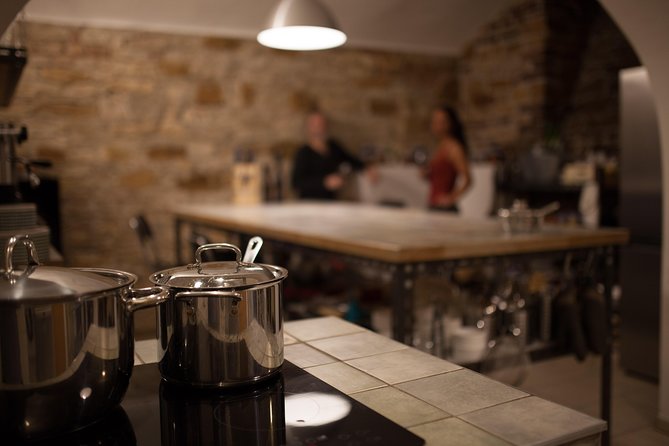
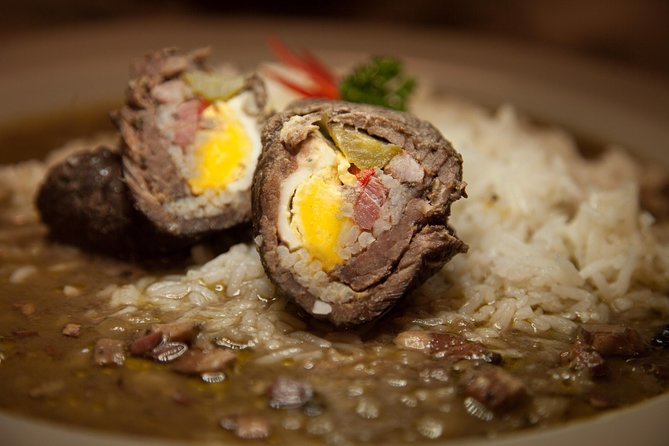
The host prepares one main dish in advance, then serves it during the meal. Possible choices include svíčková with beef and vegetable cream sauce, beef goulash, stuffed beef roll known as Spanish bird, roasted duck, rabbit with vegetables, or beef with mushrooms.
This is the main limitation for anyone expecting to cook every course. You assist with selected recipes, but the central meat dish is generally ready ahead of time. The tradeoff is a more generous and relaxed dinner. You can focus on tasting and conversation instead of waiting for a large roast or sauce to finish.
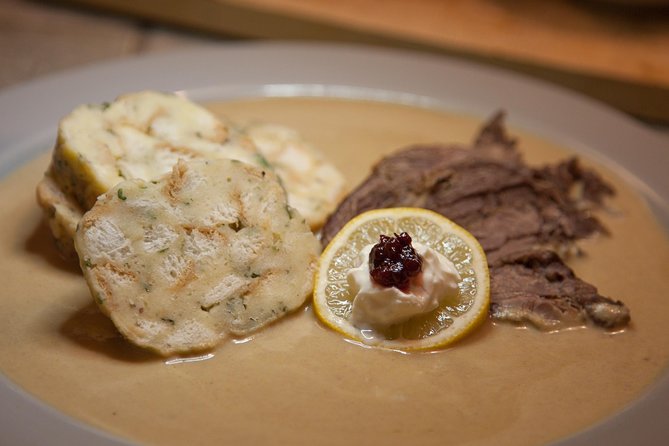
Svíčková is especially useful for understanding Czech cooking. Beef is served with a smooth vegetable cream sauce, a combination that shows the cuisine’s fondness for rich sauces and careful preparation. Goulash offers a more familiar route into Czech food, while duck, rabbit, or stuffed beef may provide a more distinctive meal.
The exact main course depends on the session and season. You should think of the listed dishes as examples, not a guaranteed menu. If you have dietary restrictions or avoid a particular meat, check before reserving.
Dessert brings fruit, poppy seeds, or meringue
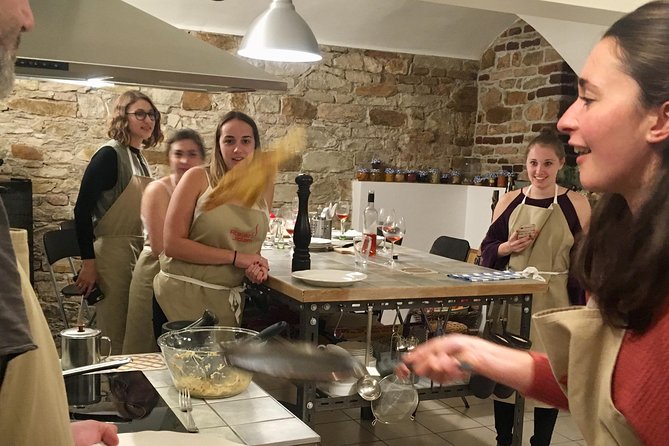
Dessert is another dish you may help prepare. Options include fruit dumplings made with fresh seasonal fruit, poppy seeds, and sometimes quark, or kremrole, a delicate pastry filled with sweet meringue.
Fruit dumplings are a particularly good finish because they show a different side of Czech food. They are sweet but still connected to seasonal produce and familiar household cooking. The poppy seeds and quark add traditional flavors that you may not encounter in a standard Prague dessert café.
Kremrole is lighter in appearance but still rich in texture, with crisp pastry and soft meringue. If you enjoy baking or pastry, ask which dessert is planned when you book.
As with the starter and main course, the menu varies. That keeps the experience tied to the time of year, but it also means you should not purchase it solely for one specific recipe.
Three Czech wines and a taste of fruit brandy
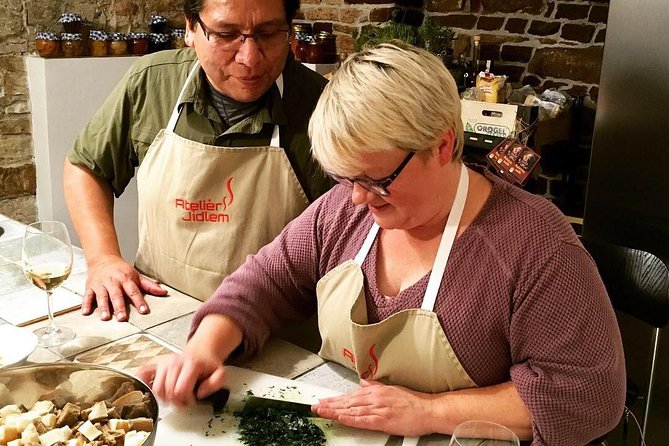
The drinks are not an afterthought. You taste three Czech wines, often including wines from Moravia, a major wine-producing area of the country. You also sample Czech fruit brandy.
The wine pairing helps the meal feel like a complete evening rather than a cooking lesson followed by a quick bite. Bret explains the drinks as part of the food and conversation, and the tastings give you a chance to compare styles instead of receiving one standard glass.
You do not need to be a wine expert. The setting is informal, and the point is to try local bottles while eating traditional food. The fruit brandy is only a sample, but it adds a distinctly Czech touch.
If you do not drink alcohol, keep in mind that wine is built into the experience. The supplied details do not specify nonalcoholic replacements, so ask in advance if that matters to you.
Bret, the cellar setting, and the human side of the evening
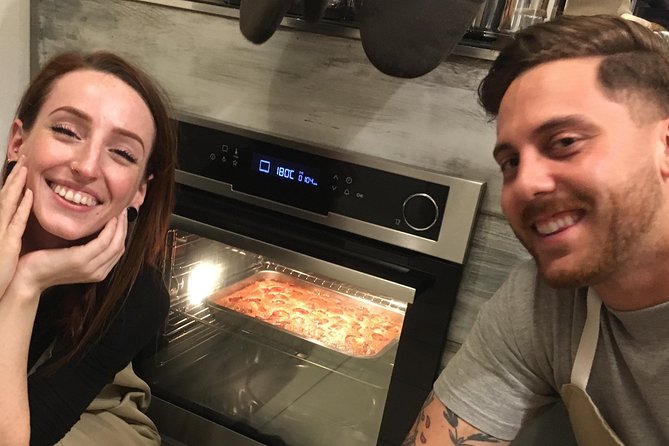
Bret is the recurring host, and his role is central to the experience. He guides the preparation, explains the food, keeps the conversation moving, and serves as the link between recipes and Czech history.
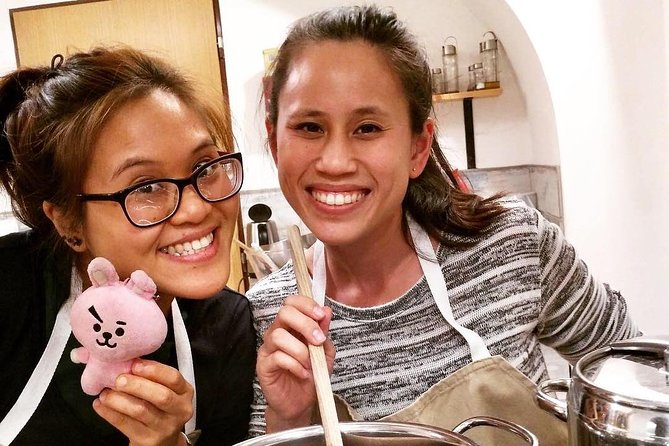
Some sessions include Aide or Bret’s sister Svetlana. The result is more like being welcomed into a local home than attending a large demonstration. The class may take place in a historical basement space, which adds atmosphere and suits the old-fashioned cooking theme.
The mood is playful. Expect jokes, music, wine, and plenty of conversation alongside the food. That can be a major benefit if you want to meet people in Prague, especially when traveling alone.
It can also be a drawback if you want a quiet, highly structured lesson. The social side is not decoration. It is a large part of the evening, so this works best for you if you enjoy sharing a table with people you have just met.
A small group makes the $167.75 price easier to judge
The listed price is $167.75 per person. That is expensive compared with simply eating Czech food at a Prague restaurant, but a restaurant meal does not include three and a half hours of instruction, tastings, wine, dessert, and a small-group setting.
The value depends on what you want from your evening. If you mainly want a filling dinner, spend less at a local restaurant. If you want a personal food lesson, cultural context, several tasting courses, and a social activity, the price is easier to defend.
The group limit of eight is important. You are paying partly for access to the host and a chance to handle the food. A large class would make the price harder to justify, but this format keeps the exchange personal.
The experience is booked an average of 50 days ahead, so it is sensible to reserve early if your Prague dates are fixed. Confirmation arrives at booking, and the activity uses a mobile ticket.
Getting to Křižíkova 70 in Karlín
The meeting point is Křižíkova 70/67, 186 00 Praha 8, in the Karlín area. The location is near public transportation, and the activity finishes at the same place.
You should allow enough time to find the entrance, particularly if your schedule is tight. Since the class lasts about three hours and 30 minutes, an evening start can take up most of your night.
There is no sightseeing route attached to the class. You are going to one food venue, staying there for the program, and returning to that same meeting point. Plan it as a focused dinner activity rather than something to combine with several major Prague sights.
The mobile ticket is convenient. You still need the local meeting point details handy, since the class does not begin in Prague’s Old Town square area.
Who should book this Czech cooking experience?
I would choose this class if you want to understand Czech culture through food, enjoy conversation, or like learning a few practical recipes while on holiday. It suits couples, family groups, solo visitors, and food-focused friends.
It is also a good pick for anyone who has already seen Prague’s main sights and wants an evening with local flavor. The cooking, Moravian wine, homemade preserves, and stories give you something different from another restaurant meal.
You may want to skip it if you need a strict menu, dislike shared social activities, or expect to cook the entire dinner from raw ingredients. The menu changes, the main course is prepared in advance, and alcohol is part of the planned program.
The class has a maximum of eight people and is offered in English. Free cancellation is available until 24 hours before the start time. After that point, the amount paid is not refunded, and changes are not accepted. A minimum number of participants is required, though a cancellation for that reason brings an alternative date or experience, or a full refund.
Should you book it?
Book it if you want a friendly, food-centered evening that explains why Czech people eat what they eat. The strongest reasons are the small group, the host’s personal approach, the range of tastings, and the chance to make dumplings, pancakes, spreads, or dessert.
At $167.75, it is not a bargain dinner. It is better seen as a cooking lesson, cultural talk, wine tasting, and generous meal combined. For a first visit to Prague, especially if you value local food and meeting people, this could be one of your most memorable evenings. If you only want inexpensive traditional cuisine, choose a restaurant instead.
FAQ
Where does the Czech cooking experience begin?
It begins at Křižíkova 70/67, 186 00 Praha 8-Karlín, Czechia.
Where does the activity end?
The activity ends back at the meeting point on Křižíkova.
How long does the experience last?
The experience lasts approximately three hours and 30 minutes.
How many people can join?
The maximum group size is eight people.
What food and drinks are included?
You taste Czech sausages, cheeses, jams, pickles, bread, seasonal produce, and other delicacies. The session includes a starter, a traditional main dish with a side, dessert, three Czech wines, and a sample of Czech fruit brandy.
Can I cancel for a full refund?
Yes. You can cancel up to 24 hours before the experience start time for a full refund. Cancellations or changes made less than 24 hours before the start time are not accepted for a refund.
Recently added around Prague
- St Vitus Cathedral and Prague Castle Private Walking Tour★ 4.0 · 3 reviews
- Prague: Old Town and Jewish Quarter Small-Group Tour★ 5.0 · 3 reviews
- Royal Splendor Unveiled Private Prague Castle Interior Tour★ 3.5 · 3 reviews
- Prague Castle Interiors & Changing of the Guard-Small group★ 5.0 · 3 reviews
- Running Tour of Prague. Your private 6-9K intro★ 5.0 · 3 reviews
- Prague: Bohemian & Saxon Switzerland National Park Day Trip★ 5.0 · 3 reviews
- PRAGUE AIRSOFT SHOOTING GAMES★ 4.7 · 3 reviews
- Private walking tour and Boat cruise Best of Prague★ 5.0 · 3 reviews
Prague Tours, compared.

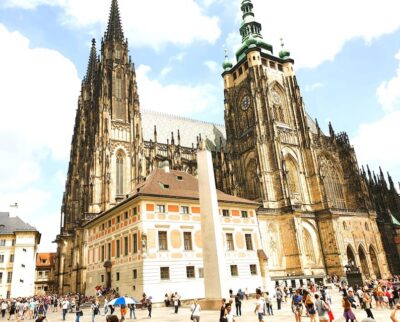
Skip-the-line Castle Ticket and Optional AudioGuide
Read our review →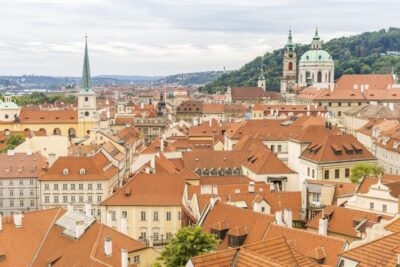
Castle Tour with Local Guide and Entry Ticket
Read our review →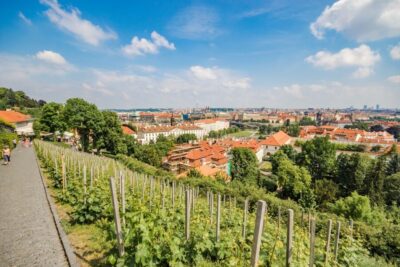
Prague Castle 2.5-Hour Tour Including Admission Ticket
Read our review →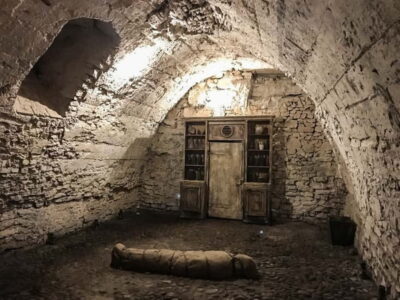
Oldtown, Medieval Underground & Dungeon History Tour
Read our review →