
Reviewed · TEREZIN MEMORIAL TOURS
Terezin Concentration Camp Day Tour Including Admission From Prague
Terezín is not a polished museum behind a fence. It is a working Czech town where people still live among cemeteries, barracks, memorials, and buildings tied to the Holocaust. That tension makes this day trip from Prague unusually powerful.
I like the use of local public transport, including the train ride through the Czech countryside, and I like the way the tour moves beyond one exhibit to include the cemetery, crematorium, morgue, Magdeburg Barracks, and Ghetto Museum. Guides such as Givi, Bianca, Petra, and Adam have been praised for making the difficult subject clear and personal.
The main thing to check before booking is the route. The advertised experience does not clearly include Terezín’s Small Fortress, the former prison section, and several people expected to visit it. If that is your main reason for going, confirm the exact stops first.
Key points to know before you go
- Terezín is still a functioning town, so memorial sites sit beside ordinary streets and homes.
- The trip uses public transport, with a train and bus journey from Prague rather than a private coach.
- The cemetery and crematorium set the tone, while the barracks and Ghetto Museum add personal and historical context.
- Guides make a major difference, with Givi, Bianca, Petra, and Adam receiving especially warm praise for clear, thoughtful commentary.
- The visit is compact rather than exhaustive, with about three to three and a half hours at the Terezín sites.
- Bring food and warm clothing, since the day is long, food is not included, and some time is spent outdoors.
Why Terezín feels different from a standard museum visit
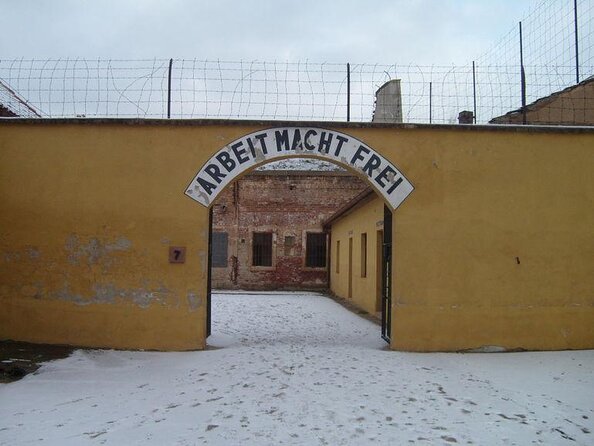
Terezín was built as a fortified town during the Austro-Hungarian period. During the Second World War, the Nazis used it as a Jewish ghetto and transit camp, while the Small Fortress served as a prison. The town became part of the Nazi system of persecution and deportation, and its story is tied closely to Czech-Jewish history, the Nazi invasion, and the Holocaust.
What you see today is not a single preserved camp site. The memorial complex is spread across several locations. You move through streets, cemeteries, institutional buildings, and museum rooms, often with the present-day town close at hand.
I find that setting difficult but important. A standard museum can create distance. In Terezín, the fact that daily life continues around the memorials makes the past feel less sealed away. It also means you should not expect a fully enclosed historical park with every building presented as an exhibit.
The subject is serious throughout. This is not an entertaining day out, and the guide’s role is more than pointing out buildings. A good guide helps you understand what happened in each place and how the different parts of the town fit together.
More visits to the Terezin memorial:
- From Prague: Terezin Concentration Camp Guided Tour w/ Audio
★ 4.5 · 1,959 reviews - Terezin Concentration Camp Day Tour from Prague
★ 4.0 · 1,007 reviews - From Prague: Terezín and Ghetto Museum Guided Tour
★ 4.3 · 571 reviews
Meeting in Prague and taking the train to Terezín
The tour begins at 10:00 a.m. at Týnská 639/4 in Prague’s Old Town. From there, the group makes its way to Praha hlavní nádraží, Prague’s main railway station.
There is a planned 15 minute break at the station. Use it well. Food and drinks are not included, and this is the sensible point to buy something for the day. One practical lesson from the experience is simple: do not assume you will have a convenient meal during the Terezín portion.
The journey uses public transport, with a train followed by a bus and a walk to the memorial area. The train ride gives you a look at the countryside outside Prague and provides a slower transition from the city to the subject ahead. I like this more than a sealed coach ride because you get a clearer sense of Terezín as a real place, not just an isolated historical stop.
The group can include up to 30 people. That is large enough to feel like a proper organized tour, but smaller than many mass coach excursions. The guide leads the group through the connections, tickets, and changes, which is useful if you do not know the Czech transport system.
The full outing lasts about seven and a half hours, though the time at the memorial sites is much shorter. Plan for a long day with significant travel, outdoor walking, and several emotionally demanding stops.
The cemetery and memorials begin the difficult work
The first substantial stop is the cemetery area at the Terezín Memorial. The guide begins with the wider story, covering Terezín’s development under the Austro-Hungarian Empire, the formation of Czechoslovakia, the Nazi invasion, and the town’s wartime role.
This opening matters because it prevents the visit from becoming a list of grim rooms. You first learn how Terezín came to exist and then see how the Nazis repurposed the town.
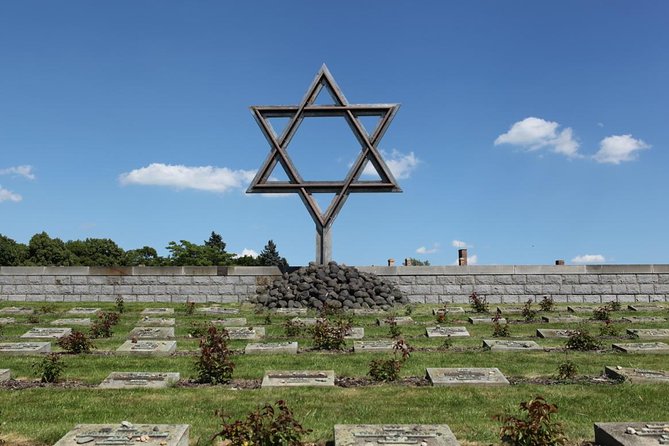
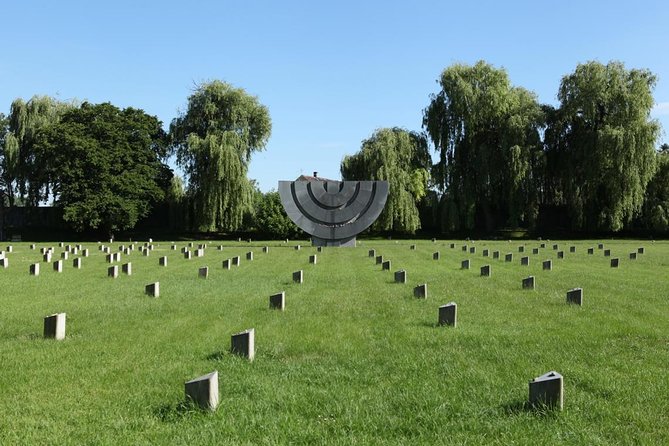
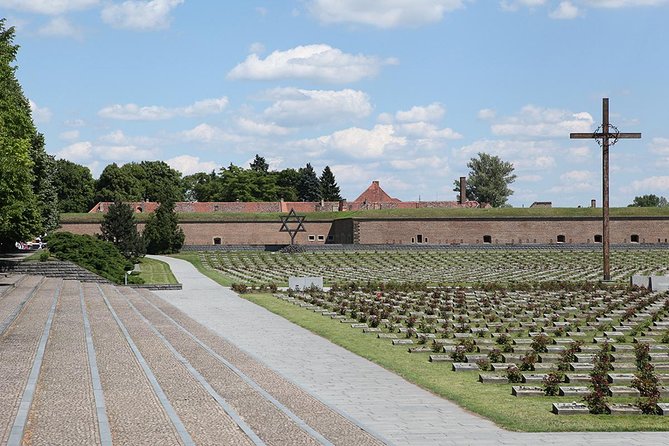
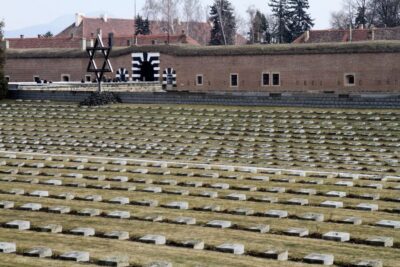
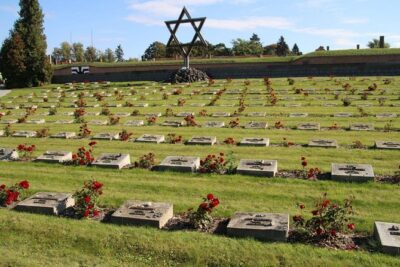
The cemetery includes memorials connected with Russian soldiers from the First and Second World Wars, as well as a Menorah, the Tree of Children, and the Alley of Nations. These features place Terezín within a broader record of war, loss, and remembrance.
You spend about 30 minutes here. That is enough for an explanation and a first look, but not enough for a slow, private study of every memorial. If you prefer to read every inscription at your own pace, you may find the guide-led schedule brisk.
The outdoor setting also makes clothing important. One person specifically advised bringing extra warm layers, and that is sensible. Even in pleasant weather, waiting, walking, and standing outside can make the day feel cooler than expected.
The crematorium and morgue provide stark evidence
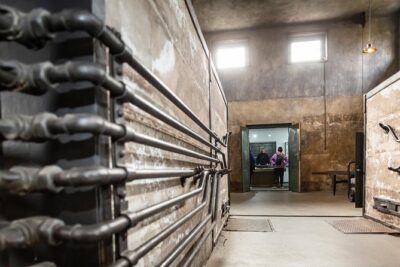
The next stop is the crematorium, where the guide shows the main room, the back room, and the autopsy room. Charts and documents help connect the building to the people and systems behind it.
You have about 20 minutes here. The time is short, but the building itself carries much of the weight. This is one of the places where the tour’s movement from explanation to physical evidence is most effective.
The crematorium may not always be open. One account noted that it was closed on a Saturday, so you should treat access as subject to conditions on the day rather than assume every interior will be available. The itinerary also marks some memorial stops as having no separate admission included, while entrance fees are included overall. Your guide should handle the practical details, but it is worth asking at the start what is open and which areas are covered.
The visit then continues to the morgue, with about 15 minutes to see the building and a list of locations from which people were transported. This is a brief stop, yet it adds an important link between Terezín and the wider network of Nazi deportations.
The cemetery, crematorium, and morgue work together. The cemetery shows how Terezín is remembered. The crematorium shows the machinery of death. The transport list points outward to the many places connected to the camp and ghetto system.
More day trips out of Prague:
- VIP Best Reviews: Bohemian & Saxon Switzerland from Prague
★ 5.0 · 3,050 reviews - Bohemian & Saxon Switzerland From Prague-Travelers’ Choice 2025
★ 5.0 · 2,475 reviews - From Prague: Kutna Hora UNESCO Site Tour with Bone Chapel
★ 4.6 · 1,917 reviews - From Prague: Full-Day Trip to Český Krumlov
★ 4.6 · 1,172 reviews
Magdeburg Barracks show life inside the ghetto
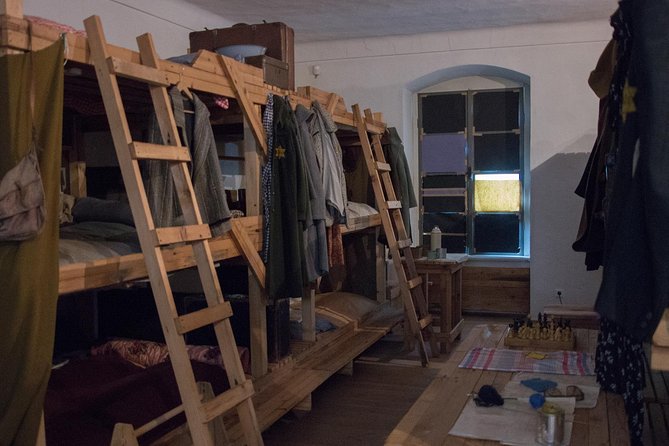
At the Magdeburg Barracks, the guide takes you into the former dormitory area. The visit lasts around 20 minutes and includes displays connected with music, painting, literature, and theatre.
This is one of the most valuable parts of the route because it brings attention to cultural life under brutal conditions. Terezín is often reduced to statistics, deportations, and death. The barracks help you see that people continued to create, perform, write, and express themselves even while confined and threatened.
The dormitory also gives you a sense of the physical conditions. You are not simply looking at a timeline on a wall. You are standing in a building used by people who had been stripped of normal freedom and privacy.
The stop is short, so you will not have unlimited time with every display. Still, the combination of the dormitory and the art exhibits helps balance the tour. It reminds you that the people held in Terezín were not only victims in a historical account. They were musicians, artists, writers, performers, parents, and children.
The Ghetto Museum gives the broadest context
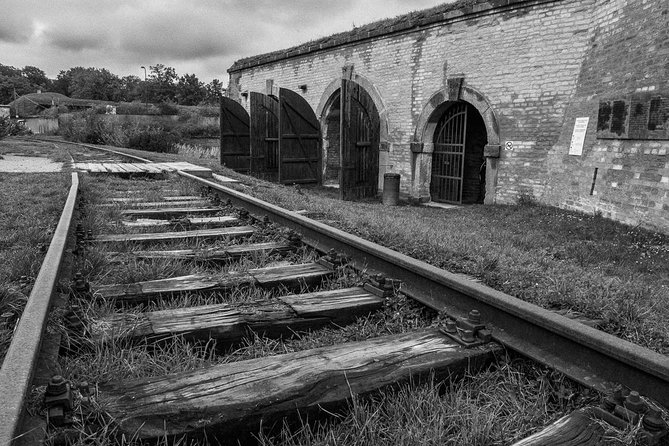
The Ghetto Museum is the most substantial indoor museum stop. The guide introduces the Holocaust exhibition, then you have time to walk through it independently.
The museum is especially useful if you know little about Terezín before arriving. It provides the wider framework that individual buildings cannot. The cemetery tells you about remembrance, and the barracks show a slice of daily life. The museum helps tie those parts together.
There may also be time to see a propaganda film, but that depends on the schedule and on the guide’s decision. Do not count on it as a guaranteed part of the visit.
The museum stop lasts about 30 minutes. That is enough for an introduction and a focused look, but it is not enough for every exhibit in detail. One useful way to approach it is to listen closely to the guide’s opening explanation, then use your free time to choose the rooms or displays that matter most to you.
If you want a full day inside the museum complex, this tour may feel too compressed. The entire Terezín site has more to see than the listed route can cover in a few hours. This experience works better as an introduction with a guide than as a slow, self-directed research visit.
The Small Fortress is the key point to clarify
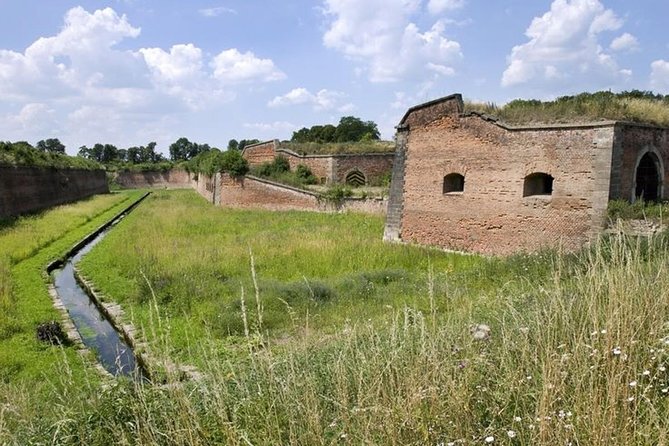
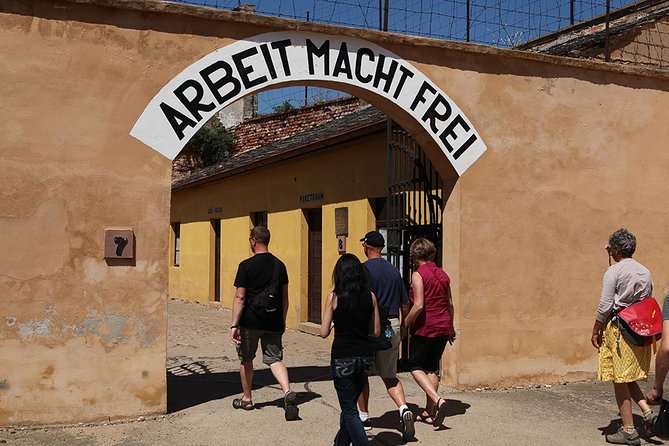
The largest concern with this tour is the Small Fortress. Some descriptions and photographs can lead you to expect the former prison and Gestapo facility, yet the scheduled stops provided for this experience focus on the cemetery, crematorium, morgue, Magdeburg Barracks, and Ghetto Museum.
Several people specifically felt disappointed because they had expected to enter the Small Fortress. One had taken the tour before and considered the prison section the strongest part of the visit. Another said the main site was worthwhile but would have preferred the Small Fortress to some of the other stops.
This is not a minor detail. The Small Fortress is a separate part of the Terezín Memorial experience, and its absence changes the shape of the day. If you want to see prison cells, the Gestapo prison, or the former SS headquarters, ask Discover Prague Tours to confirm in writing that those locations are included on your date.
You should also understand the difference between the former ghetto area and the prison site. The route described here concentrates on the larger town and its memorial institutions. That can be a thoughtful and moving visit, but it is not automatically the complete Terezín complex.
Guides can make a serious subject easier to understand
The guide is the biggest variable in the experience. Givi receives particularly strong praise for speaking clearly, answering questions, and explaining the human cost of what you are seeing. His commentary also includes Czech wartime history, including the assassination of a senior German official during the war.
Bianca is praised for her friendly manner and for explaining the camp while giving the group time to explore. Petra is described as both well informed and personable, with a good sense of how to keep a group moving without leaving anyone behind. Adam is also praised for his command of the subject and approachable style.
You cannot choose a particular guide from the information provided, so treat those names as examples of the level of guidance available rather than a promise. Speaking speed can vary. One person found a guide’s speech difficult to follow at times, so do not hesitate to ask for a slower explanation if needed.
The best guides do not turn Terezín into a theatrical performance. They create a respectful setting, explain the evidence, and leave room for quiet. That balance matters at a memorial site.
Price, pace, and who gets the best value
At $96.79 per person, the cost is not simply an admission fee. It covers the guide, round-trip public transport from Prague, entrance fees, and the convenience of handling the route as a group.
I consider that reasonable if you want structure and historical explanation. Public transport from Prague is manageable, but changing between train and bus and finding the memorial sites takes time and attention. The tour removes that uncertainty and places the sites in context.
The value is weaker if you mainly want to visit the Small Fortress or spend many hours reading every museum panel. You could prefer a more focused arrangement that guarantees the prison section and allows more time on site.
Children aged 6 to 12 can receive half-price admission, purchased at the meeting point. Children must be accompanied by an adult. The tour calls for moderate physical fitness, and service animals are allowed.
This is best for adults and older children who can handle a long day and a difficult subject. It suits you if you want an introduction to Czech-Jewish history and the Holocaust, especially if you value a guide’s explanation over a fully independent museum visit.
Practical advice for a more comfortable day
Wear comfortable shoes and bring warm layers. You will use public transport, walk between locations, and spend time outdoors at the cemetery and memorials.
Buy food and drinks during the station break. The tour does not include refreshments, and you should not plan on a full meal being built into the schedule.
Keep your attention on the timing. The visit at the memorial complex may last only about three to three and a half hours, despite the seven and a half hour total outing. That is enough for the main route, but not for every building and exhibit.
If you want the propaganda film, ask early if time allows. The same goes for the Small Fortress. Clear questions at the beginning can prevent disappointment later.
The tour has a mobile ticket and confirmation is issued when you book. It ends at Prague’s Hlavní nádraží, rather than returning you to your hotel, so plan your evening from the main station.
Should you book the Terezín day tour?
Book it if you want a guided introduction to Terezín, prefer public transport to a private coach, and value a mix of memorials, museum displays, and historical explanation. The train ride, manageable group size, and strong guides such as Givi, Bianca, Petra, and Adam can make a serious day easier to follow.
Do not book without clarification if the Small Fortress is essential to you. The route described here offers a meaningful visit to the main Terezín memorial sites, but it is not clearly a guaranteed tour of the prison section.
At $96.79, the tour is good value for a first visit when you want the transport and interpretation handled for you. It is less suitable for someone seeking a complete, slow study of every Terezín site. Cancel at least 24 hours before departure for a full refund, and remember that the provider may cancel if the minimum group size is not met.
FAQ
Where does the tour begin?
The tour begins at 10:00 a.m. at Týnská 639/4 in Prague’s Old Town.
How do I get to Terezín?
The tour includes round-trip public transport from Prague. The route uses a train, followed by a bus and walking, with the guide leading the group.
What sites are included?
The route includes the cemetery and memorials, the crematorium, the morgue, Magdeburg Barracks, and the Ghetto Museum. Entrance fees are included.
Is the Small Fortress included?
The supplied tour details do not clearly include the Small Fortress. Because this has caused confusion, ask the provider to confirm whether the prison section is part of your departure.
Is food included?
No. Food and drinks are not included. You have a 15 minute break at Praha hlavní nádraží to buy refreshments before continuing.
Can children join the tour?
Yes. Children must be accompanied by an adult. Children aged 6 to 12 can receive half-price admission, purchased at the meeting point.
Recently added around Prague
- St Vitus Cathedral and Prague Castle Private Walking Tour★ 4.0 · 3 reviews
- Prague: Old Town and Jewish Quarter Small-Group Tour★ 5.0 · 3 reviews
- Royal Splendor Unveiled Private Prague Castle Interior Tour★ 3.5 · 3 reviews
- Prague Castle Interiors & Changing of the Guard-Small group★ 5.0 · 3 reviews
- Prague: Bohemian & Saxon Switzerland National Park Day Trip★ 5.0 · 3 reviews
- Running Tour of Prague. Your private 6-9K intro★ 5.0 · 3 reviews
- PRAGUE AIRSOFT SHOOTING GAMES★ 4.7 · 3 reviews
- Private walking tour and Boat cruise Best of Prague★ 5.0 · 3 reviews
Terezin Memorial Tours, compared.
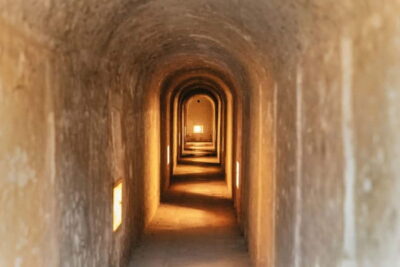
Terezin Concentration Camp Guided Tour w/ Audio
Read our review →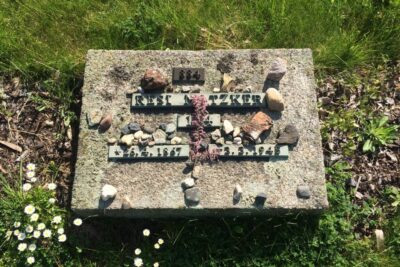
Terezin Concentration Camp Day Tour from Prague
Read our review →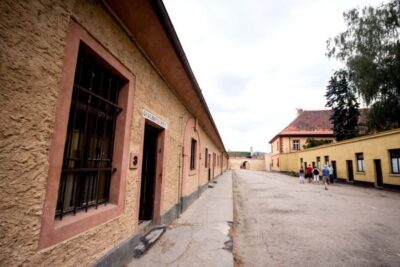
Terezin & Bohemian Switzerland from Prague: Bastei, Narnia & Café
Read our review →
Terezin In-Depth Holocaust Tour From Prague’s Center (max 7 pax)
Read our review →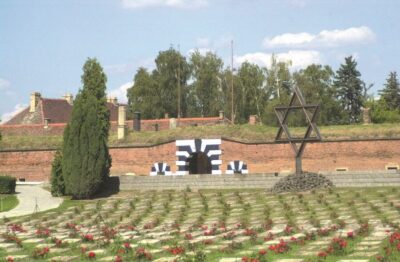
Browse the lists this tour appears in