
Reviewed · TEREZIN MEMORIAL TOURS
Terezin Fortress and Concentration Camp Tour from Prague
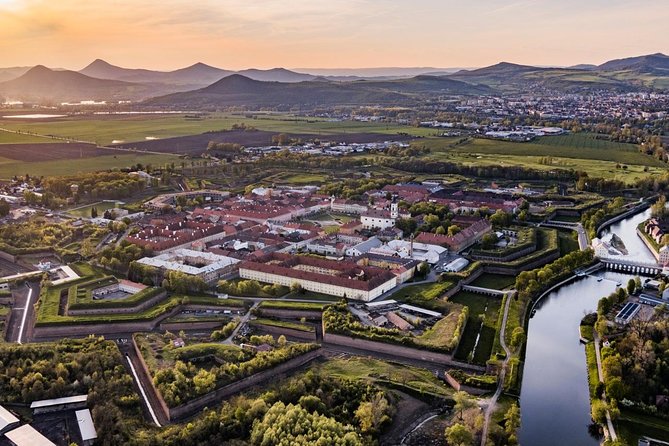
Terezín is not just a memorial site. It is an entire fortified town where Nazi persecution and 18th-century military engineering meet in one long, demanding day. You’ll see the Small Fortress prison, the former Jewish ghetto, a crematorium, a mass grave site, and underground defense tunnels.
I like the small groups of no more than 15 and the way the tour covers far more than the usual prison visit. Guides such as Jack, Mike, and Michal are praised for using maps, photographs, stories, and broader Czech history to make the place understandable. The drawback is clear: this is a 10-hour outing with lots of walking, and some visitors find the fortress section longer than they need.
Key points to know before you book
- A full picture of Terezín: The day includes the Small Fortress, former Jewish ghetto, crematorium, cemetery, Columbarium, fortifications, and casemates.
- A strong guide can shape the day: Jack receives especially warm praise for his history knowledge, patience, humor, and careful handling of difficult subjects.
- Public transport is part of the experience: Expect train and bus travel from Prague rather than a private coach carrying you from site to site.
- The underground tunnels are a rare extra: You’ll walk through part of the fortress defense system, so bring comfortable shoes and consider carrying a small torch.
- Plan for an emotional day: The prison, mass graves, ghetto, and crematorium are serious places, not casual sightseeing stops.
- Lunch costs extra: You’ll have time to eat at your own expense, often at a local restaurant suggested by the guide.
Why Terezín deserves a full day from Prague
Many excursions from Prague focus only on the Small Fortress, the former Gestapo prison. This tour takes a wider view. You also visit the large fortress and the town inside it, which the Nazis used as a Jewish ghetto during World War II.
That wider scope matters. Terezín’s story is not limited to one prison block or one memorial room. The town was built as a major 18th-century fortress, with walls, casemates, tunnels, and defensive works. Later, the Nazis turned parts of it into a prison and ghetto. Seeing both periods helps you understand how the place changed, and how the old military design shaped life during the war.
I especially like that the tour does not rush straight to the darkest material and then send you home. The guide builds the story over the course of the day, moving from the fortress’s original purpose to its use under the Nazi regime. That approach can help you absorb difficult information without reducing Terezín to a single label.
Still, you should choose this outing with care. The day is serious and tiring. If you want a short memorial visit followed by free time in Prague, this is probably too much. If you want a detailed history lesson with extensive walking, it earns its long schedule.
More visits to the Terezin memorial:
- From Prague: Terezin Concentration Camp Guided Tour w/ Audio
★ 4.5 · 1,959 reviews - Terezin Concentration Camp Day Tour from Prague
★ 4.0 · 1,007 reviews - From Prague: Terezín and Ghetto Museum Guided Tour
★ 4.3 · 571 reviews
Meeting at Wenceslas Square at 8:00 a.m.
The tour begins at the Statue of Saint Wenceslas on Wenceslas Square in central Prague. You’ll need to reach the meeting point yourself, since hotel pickup and drop-off are not included.
The early start makes sense. Terezín requires a trip outside Prague, and the day includes several separate sites. In smaller groups, the guide can begin explaining Prague and Czech history as you make your way toward the station. Jack has been praised for using the time before departure to point out buildings connected with the city’s wartime story.
Transport is not a private sightseeing bus in the usual sense. The day uses public transport, including train and bus connections, and the return brings you back to the original meeting point. That can feel more like an authentic day out in the Czech Republic, but it also means you should be ready for station time, boarding, and walking.
One useful point: the guide handles the transport arrangements, including train tickets according to the tour details and firsthand accounts. You do not need to plan the route yourself, but you do need to stay with the group and arrive on time.
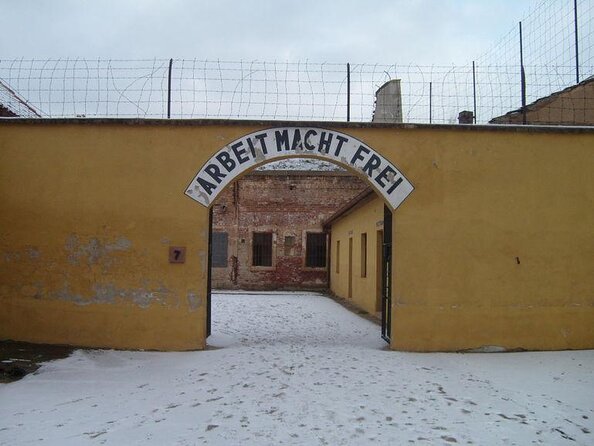
The Small Fortress, a prison rather than a typical camp visit
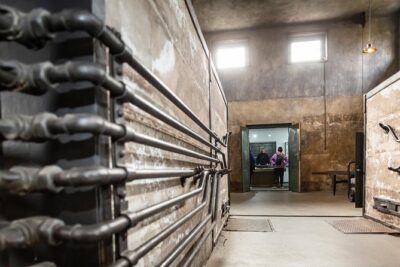
The first major stop is the Small Fortress, where you spend about 90 minutes. During World War II, the Gestapo used it as a prison for political prisoners. The tour explains why the fortress was built, how it functioned, and the harsh conditions people faced there.
This is the section most people associate with a concentration camp tour, but the distinction is important. The Small Fortress served as a prison, while the larger Terezín area became a Jewish ghetto. Your guide helps separate these uses rather than blending them into one vague story.
Inside, you’ll see the prison environment and hear about the Nazi effort to control the image of Terezín. Original wartime video footage presents the supposedly ideal life the Nazis wanted the outside world to see. The contrast between propaganda and the actual conditions is one of the most striking parts of the visit.
The site is emotionally heavy. I would not plan another demanding museum or evening event immediately afterward. Give yourself some quiet time, especially if you are bringing older children or teenagers.
The local museum staff may conduct part of the fortress explanation in Czech, with your main guide translating into English. That arrangement can add time, but it also allows you to access the underground casemates and local interpretation that an English-only shortcut might leave out.
The memorial, mass grave, and the physical weight of the site
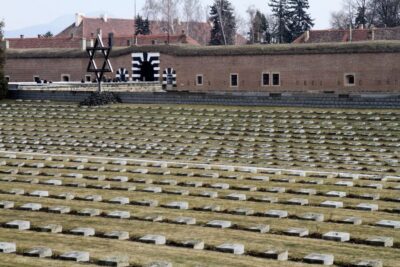
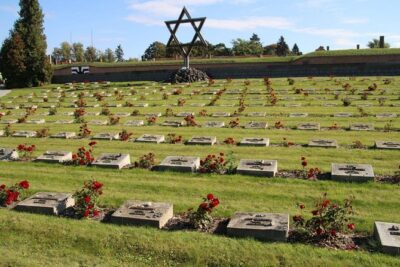
Before entering the Small Fortress, you stop at the Terezín Memorial on the grounds of a former mass grave. This visit lasts only about 10 minutes, but the setting changes the mood at once.
The stop is brief because it functions as an introduction rather than a full museum visit. Your guide can explain what the site represents before you enter the prison. Take the time to listen, and avoid treating this as a quick photo stop.
The crematorium and cemetery come later in the day. Together, these places show the scale and cruelty of the Nazi use of Terezín. The crematorium is stark, and the graveyards are maintained as memorial spaces. You should expect the subject matter to be upsetting, even though the guide keeps the presentation focused on history rather than spectacle.
More day trips out of Prague:
- VIP Best Reviews: Bohemian & Saxon Switzerland from Prague
★ 5.0 · 3,050 reviews - Bohemian & Saxon Switzerland From Prague-Travelers’ Choice 2025
★ 5.0 · 2,475 reviews - From Prague: Kutna Hora UNESCO Site Tour with Bone Chapel
★ 4.6 · 1,917 reviews - From Prague: Full-Day Trip to Český Krumlov
★ 4.6 · 1,172 reviews
The large fortress and the former Jewish ghetto
The longest portion of the tour takes place in Terezín itself, the large fortress. You spend about five hours exploring the town, the former ghetto, the fortifications, and related memorial sites.
During the Nazi period, the town inside the fortress was used as a Jewish ghetto. You walk through its streets and learn how the area was controlled and used. The setting can be unsettling because it is not an isolated ruin. The ghetto occupied a real town with streets, buildings, and everyday spaces, making the history feel close and specific.
This section is where a strong guide matters most. Jack is praised for explaining the timeline in layers and bringing maps, photographs, and books to show how the town and fortress worked. Mike and Michal also receive praise for clear explanations and thoughtful hosting. Guide assignments can vary, so you should not assume a particular person will lead your departure.
The ghetto visit is not presented as a detached museum lesson. You move through the actual streets and connect the remaining structures with the people who were confined there. That physical setting gives the history a force that photographs alone cannot provide.
The tour also includes the crematorium, Columbarium, and cemetery outside or near the fortress walls. These visits add essential context, but they make the day progressively more somber. I would choose this tour only if you are prepared to give the subject your full attention.
The 18th-century fortifications and underground casemates
The most unusual part of the day is the fortification tour. Many people come for the World War II story and are surprised by how much they learn about the original military design.
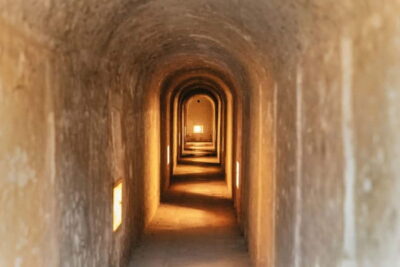
Terezín’s large fortress was built in the 18th century as a major defensive work. Its system included walls, casemates, and more than 30 kilometers of tunnels, according to the guide’s explanations. You do not walk all of them, but you enter a maintained section and learn how the defense system operated.
The underground passages are narrow and can feel claustrophobic. One couple found that more than an hour below ground was uncomfortable, while another visitor called the tunnels the favorite part of the day. Both reactions make sense. If enclosed spaces bother you, ask the guide how long the underground portion will last and decide how much you want to enter.
Bring sturdy, comfortable shoes. A small torch is also a sensible addition, especially if you want to see details in darker parts of the passages. The tour calls for moderate physical fitness, and the walking is spread across streets, memorial grounds, fortress areas, and tunnels.
The fortification section is also the main reason the tour runs so long. Some people value the complete picture. Others feel that the military detail takes too much time away from the World War II sites. The choice comes down to your interests: this is an excellent match for history enthusiasts, but less suitable if you want only the prison and ghetto.
Food, toilets, weather, and the rhythm of the day
Lunch is not included, so budget extra for a meal. The tour provides time to eat, and guides may suggest a local restaurant. One account describes a tasty meal and generous portions, but the exact restaurant and menu can vary.
Do not expect frequent public toilets on every street. Terezín is a small town, though toilets are available at the museums, on the train, and at the restaurant according to the tour information. Use facilities when you have the chance rather than waiting until the next stop.
Wear shoes you can walk in for hours. The tour includes public transport, streets, memorial grounds, museum interiors, and underground passages. You may also want water and a light layer, since the day moves between indoor and outdoor areas.
The pace is described as comfortable rather than rushed, but the schedule remains long. There are several natural pauses for transport, explanations, lunch, and movement between sites. Even so, you should expect to be on your feet much of the day.
The tour is not recommended for children aged 12 and under, although the stated minimum age is five. Those age rules do not change the basic point: the emotional content and amount of walking are better suited to mature children, teenagers, and adults.
What the $119.48 price really covers
At $119.48 per person, this is not the cheapest way to visit Terezín. The value comes from the amount of guiding and the number of sites included rather than from luxury transport.
Your price covers the professional guide, the fortification excursion, and visits to the crematorium, Columbarium, ghetto, and Small Fortress. Admission to the listed sites is included where specified. Lunch is extra, and you make your own way to and from the central Prague meeting point.
I see the price as reasonable if you want a full explanation and do not want to piece together several museums, transport links, and memorial sites yourself. The guide adds the chronology, translates local explanations when needed, and connects the 18th-century fortress with the World War II story.
The value is weaker if you only want a short concentration camp visit. In that case, a half-day option may suit you better. This tour is designed to give you the full Terezín story, and that takes time.
The maximum group size of 15 is another part of the value. Small groups make it easier to hear the guide, ask questions, and move through the fortifications without feeling like part of a large procession. In quieter periods, the group may be much smaller, even just two people.
The guide can make or break a difficult subject
The strongest praise goes to the guides, especially Jack. He is described as prepared, warm, patient, and able to answer questions about Terezín, Czech history, and wider European events. He also uses photos, maps, books, and personal reference material to clarify the story.
That preparation matters here. Terezín has several overlapping timelines, and the sites are spread across different parts of the town. A guide who simply recites dates would make the day feel long. A guide who explains cause and effect can help you understand why the fortress was built, how it was adapted, and how the Nazi system used it.
Mike and Michal also receive strong praise for their history explanations and friendly manner. One account describes booking another excursion with Michal later in the trip, which suggests how much a personable guide can add to a Prague visit.
There is one practical limitation: some parts of the fortification visit may rely on Czech-speaking local staff, with your main guide translating. English quality can vary between guides, though the main guides described here are praised for clear English. If you want every minute delivered by one English-speaking guide, ask about the arrangement before booking.
Who should book this Terezín tour?
I would recommend it to you if you:
- Want the former ghetto, prison, crematorium, and fortifications in one day
- Prefer a small group to a large coach excursion
- Enjoy detailed explanations and historical background
- Can manage a full day of walking and public transport
- Are prepared for difficult World War II subject matter
- Find military architecture and underground tunnels as interesting as memorial sites
I would look elsewhere if you:
- Want only a brief visit to the concentration camp section
- Dislike tunnels or enclosed spaces
- Need a private vehicle from Prague
- Prefer plenty of unplanned free time
- Are traveling with young children who may struggle with the emotional content
The tour is recommended by 98 percent of customers and carries a 4.9 rating from 60 reviews, but those numbers should not hide the central tradeoff. The high rating reflects strong guiding and the unusually broad scope. The one recurring caution is the length, especially the detailed fortress and tunnel section.
Should you book it?
Book this tour if you want to understand Terezín as both a Nazi prison and ghetto and as a remarkable military fortress. You’ll spend around 10 hours away from Prague, use public transport, walk a great deal, and confront painful history. In return, you get a far fuller picture than a quick stop at the Small Fortress.
I would choose it for a history-focused day, especially if you can join Jack, Mike, or Michal. Wear comfortable shoes, bring a small torch, set aside money for lunch, and leave room afterward to process what you have seen.
If your main goal is simply to visit a concentration camp memorial and return to Prague quickly, choose a shorter excursion. If you want Terezín explained carefully, from its defensive tunnels to its ghetto and crematorium, this full-day format is worth the extra hours.
FAQ
How long does the Terezín tour from Prague last?
The tour lasts approximately 10 hours and begins at 8:00 a.m. It ends back at the meeting point near the Statue of Saint Wenceslas in Prague.
Where does the tour meet?
You meet at the Statue of Saint Wenceslas on Wenceslas Square, Václavské náměstí, in Prague 1. Hotel pickup and drop-off are not included.
Does the tour include lunch?
No. Lunch is at your own expense. The guide may recommend a local restaurant during the day.
What sites are included?
The tour includes the Small Fortress, Terezín Memorial, former Jewish ghetto, crematorium, Columbarium, cemetery areas, large fortress, and part of the underground fortification system.
Is transportation included?
Round-trip transport from central Prague is included in the tour arrangement, using public transport such as train and bus connections. You should expect additional walking between stations and Terezín’s sites.
Is the tour suitable for children?
The stated minimum age is five, but the tour is not recommended for children aged 12 and under. You should also consider the serious subject matter, moderate fitness requirement, extensive walking, and underground tunnels.
Recently added around Prague
- St Vitus Cathedral and Prague Castle Private Walking Tour★ 4.0 · 3 reviews
- Prague: Old Town and Jewish Quarter Small-Group Tour★ 5.0 · 3 reviews
- Royal Splendor Unveiled Private Prague Castle Interior Tour★ 3.5 · 3 reviews
- Prague Castle Interiors & Changing of the Guard-Small group★ 5.0 · 3 reviews
- Prague: Bohemian & Saxon Switzerland National Park Day Trip★ 5.0 · 3 reviews
- Running Tour of Prague. Your private 6-9K intro★ 5.0 · 3 reviews
- Discover Prague’s most Photogenic Spots with a Local★ 3.5 · 3 reviews
- PRAGUE AIRSOFT SHOOTING GAMES★ 4.7 · 3 reviews
Terezin Memorial Tours, compared.
Terezin Concentration Camp Guided Tour w/ Audio
Read our review →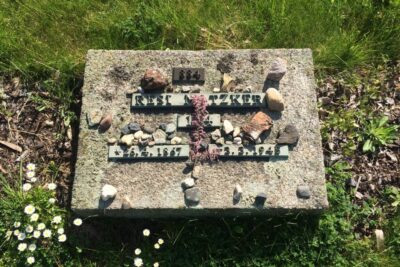
Terezin Concentration Camp Day Tour from Prague
Read our review →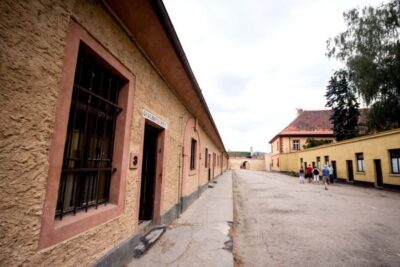
Terezin & Bohemian Switzerland from Prague: Bastei, Narnia & Café
Read our review →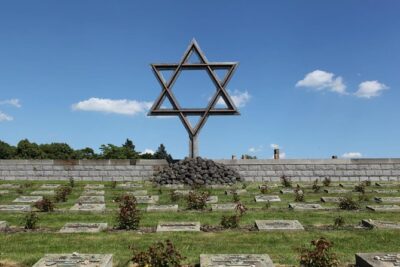
Terezin Concentration Camp Day Tour Including Admission From Prague
Read our review →
Terezin In-Depth Holocaust Tour From Prague’s Center (max 7 pax)
Read our review →Browse the lists this tour appears in