
Reviewed · KUTNA HORA TOURS
From Prague: Kutna Hora and Bone Chapel Tour
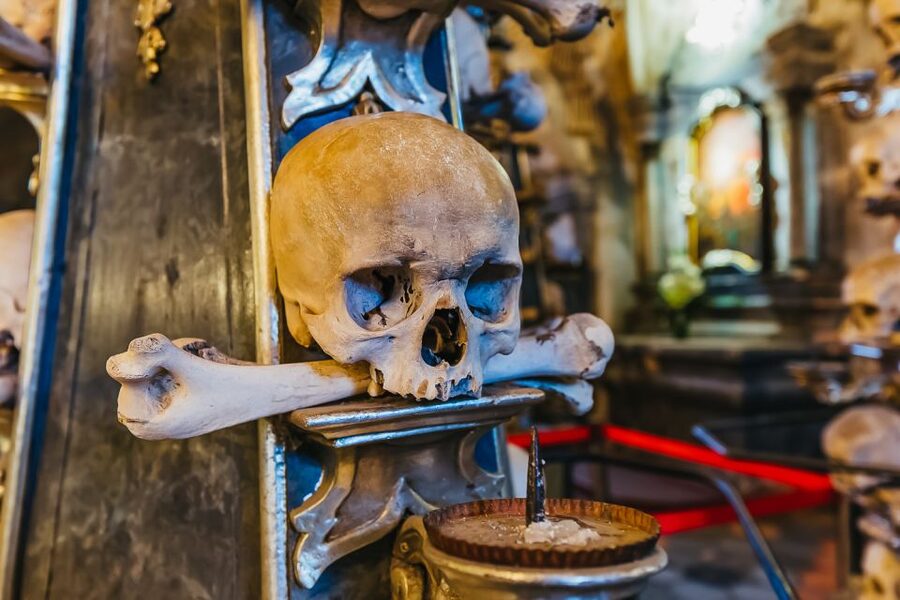
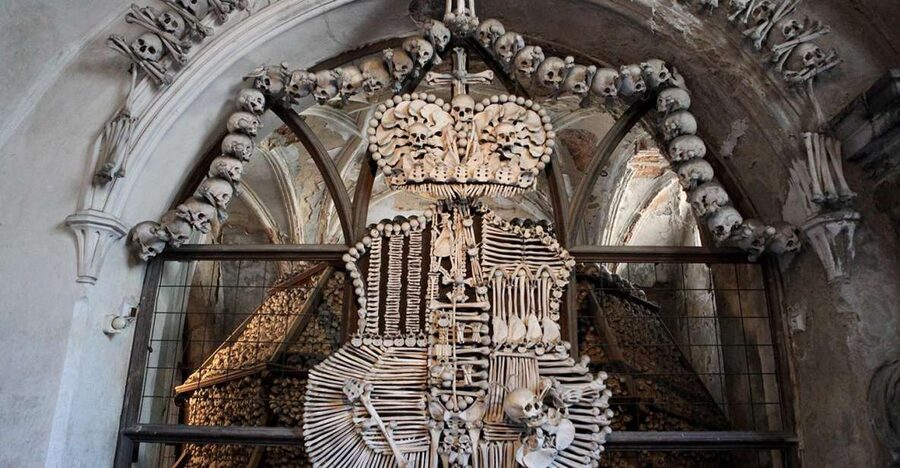
The first thing to know about Kutná Hora is that its famous Bone Chapel is not a spooky stunt. The Sedlec Ossuary is a small, solemn place where human bones were arranged into artistic designs, including chandeliers and coats of arms. I like that this tour treats the chapel as a religious site, not just a macabre photo stop. I also like the train ride from Prague and the chance to see a smaller Czech town beyond the capital.
The trip covers the key sights in one day, and guides such as Petra, Adam, Tomas, and David have been praised for making the history lively and easy to follow. The main caution is the pace: you may walk quickly between stations and sights, and there is no included lunch. Good shoes are essential, especially if you choose the public-transport option.
Key points to know before booking
- The Sedlec Ossuary is intimate and genuinely unsettling: You will see human bones used as religious art, so this is not suitable for anyone seeking a lighthearted attraction.
- Kutná Hora’s silver made it a rival to Prague: The town’s medieval wealth paid for grand churches, royal buildings, and a place in Bohemian history.
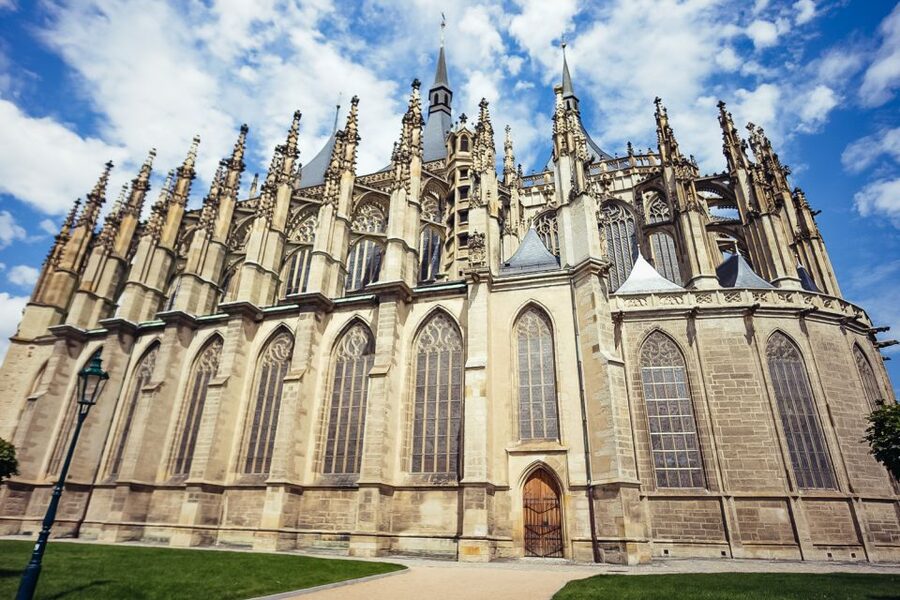
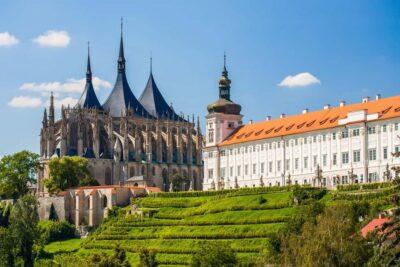
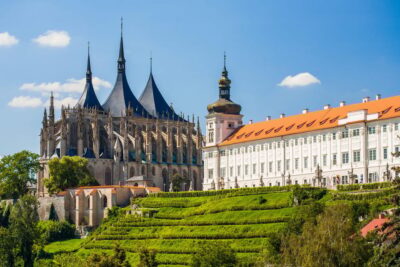
- St. Barbara’s Church is the visual high point: Its Gothic design gives the tour a powerful counterpoint to the Ossuary’s dark atmosphere.
- You may travel by train or private vehicle: The train option adds a local Czech experience but requires more walking and attention to connections.
- The $823 price is for a group of up to seven: For a full private group, that can be fair, but a smaller party should compare the cost with other day trips.
- Plan for seven hours, not a quick side trip: The route includes several major sites, transport, guided explanations, and time in the historic center.
Why Kutná Hora makes a strong day trip from Prague
Prague can easily fill several days, but it can also feel like a sealed sightseeing bubble. Kutná Hora gives you a useful change of pace: a historic town shaped by mining wealth, royal ambition, religious conflict, and eventual decline.
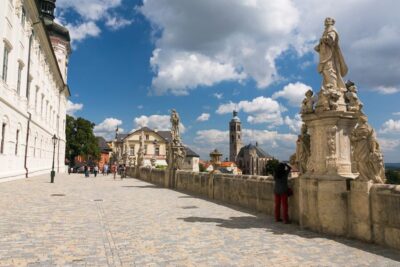
In the Middle Ages, Kutná Hora became the second most important town in the Bohemian Kingdom after Prague. Its silver mines funded the royal mint and helped make the town a favorite residence of Bohemian kings. That wealth is still visible in the churches and civic buildings.
The town was declared a UNESCO World Heritage Site in 1995. I find that designation useful here because Kutná Hora is not famous only for one odd chapel. The town center contains late Gothic and Baroque architecture, and the full story makes much more sense when you see the Ossuary, Italian Court, and St. Barbara’s Church together.
The day lasts about seven hours. That is long enough to cover the major sights without turning the outing into an overnight commitment. You will still need to accept a fairly active day, especially if the group uses public trains and walks between the station, Sedlec, and the center.
More Kutna Hora day trips:
- From Prague: Kutna Hora UNESCO Site Tour with Bone Chapel
★ 4.6 · 1,917 reviews - From Prague: Kutná Hora, St.Barbara’s Church, Sedlec Ossuary
★ 4.3 · 673 reviews - Day Trip to Kutná Hora by train from Prague
★ 4.5 · 587 reviews
Starting at Týnská 639/4 in Prague
You meet the guide at the Discover Prague Tours office at Týnská 639/4, just off Old Town Square in Prague 1. This is a central meeting point, but give yourself enough time to find the office in the narrow Old Town streets.
The activity is offered as a private group, with transport by train or private vehicle depending on the option selected. The group limit is seven people, which is a useful size for asking questions and keeping the day personal. It also means the price should be considered as a group cost rather than a per-person charge.
At $823 for up to seven people, the arithmetic changes dramatically depending on your party. Seven people would bring the cost to roughly $118 each. Two people would pay much more per person, so couples should examine the transport and entry details carefully before booking.
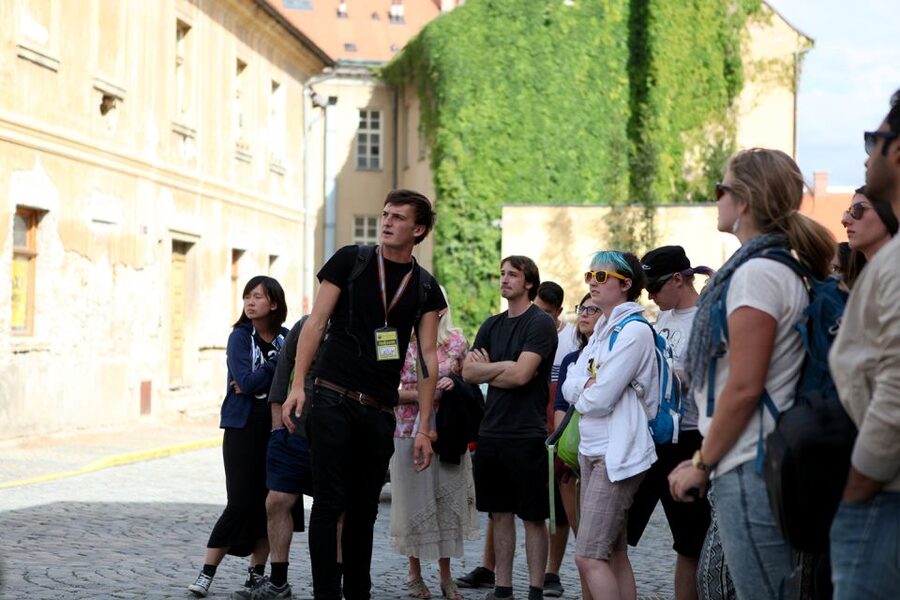
The English-speaking guide is live throughout the day. The names attached to especially strong guiding experiences include Petra, Adam, Tomas, and David, sometimes called Colorado Dave. You cannot assume a particular guide will lead your departure, but the best fit for this tour is someone who can handle both the solemn subject of the Ossuary and the broader political story of Kutná Hora.
Taking the train through Central Bohemia
The train option is one of the nicest parts of the outing for people who want to see more than Prague’s center. The journey takes roughly an hour, with some descriptions placing it closer to 45 minutes. You pass from the capital into the Czech countryside, and the ride gives the day a more local feel than a direct tourist shuttle.
There is a practical tradeoff. Public transport requires the group to move on time, and the walk to the station can be brisk. Several visitors specifically enjoyed the train atmosphere, while others warned that the pace between the meeting point and the station was faster than expected.
The train also creates the possibility of delays or crowded carriages. A holiday departure once became difficult when the railway was not prepared for the number of passengers, but the guides kept the group moving. That is a reminder that rail travel adds character, but not total control.
If you prefer a simpler day with fewer transfers, choose the private-vehicle option if available for your booking. If you enjoy watching ordinary life pass by and do not mind walking quickly, the train is part of the experience rather than merely a way to get there.
The Sedlec Ossuary and its bone art
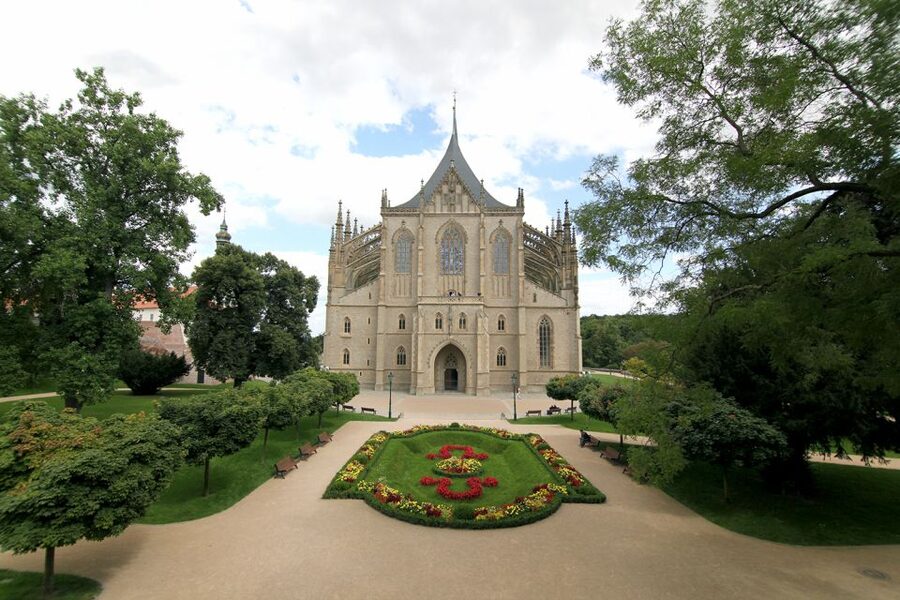
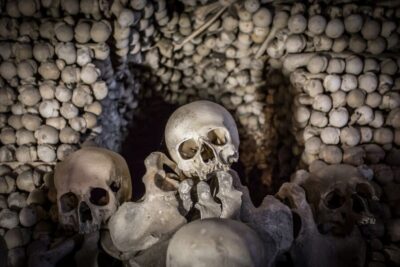
The Sedlec Ossuary is the tour’s most unusual stop. Inside this small chapel, human bones have been arranged into elaborate decorative forms. The sight is fascinating, but it carries a serious religious and human meaning that deserves respect.
The most striking feature is the contrast between the materials and the craftsmanship. Bones form visual patterns, a chandelier, and other designs, turning a place associated with death into an example of funerary art. You may find the chapel beautiful, disturbing, or both at once.
The Ossuary is not large, so the visit feels concentrated rather than sprawling. That works in its favor. You do not need hours to understand its effect, and the guide can provide the context that keeps the stop from becoming a shallow horror attraction.
I would not book this excursion if you are uncomfortable around human remains. It is also worth preparing children in advance, since the subject is direct and the setting is religious. The guide’s tone matters here. David was praised for explaining the religious and ethical side with care, while Petra and other guides were valued for putting the site into historical context.
Entry to the Sedlec Ossuary is included if you select the shared option described for the activity. Check the exact inclusions attached to your chosen booking option, since the transport and entrance package can vary.
More day trips out of Prague:
- VIP Best Reviews: Bohemian & Saxon Switzerland from Prague
★ 5.0 · 3,050 reviews - Bohemian & Saxon Switzerland From Prague-Travelers’ Choice 2025
★ 5.0 · 2,475 reviews - From Prague: Terezin Concentration Camp Guided Tour w/ Audio
★ 4.5 · 1,959 reviews - From Prague: Tour of Terezin Concentration Camp
★ 4.4 · 1,269 reviews
Sedlec and Bohemia’s oldest Cistercian monastery
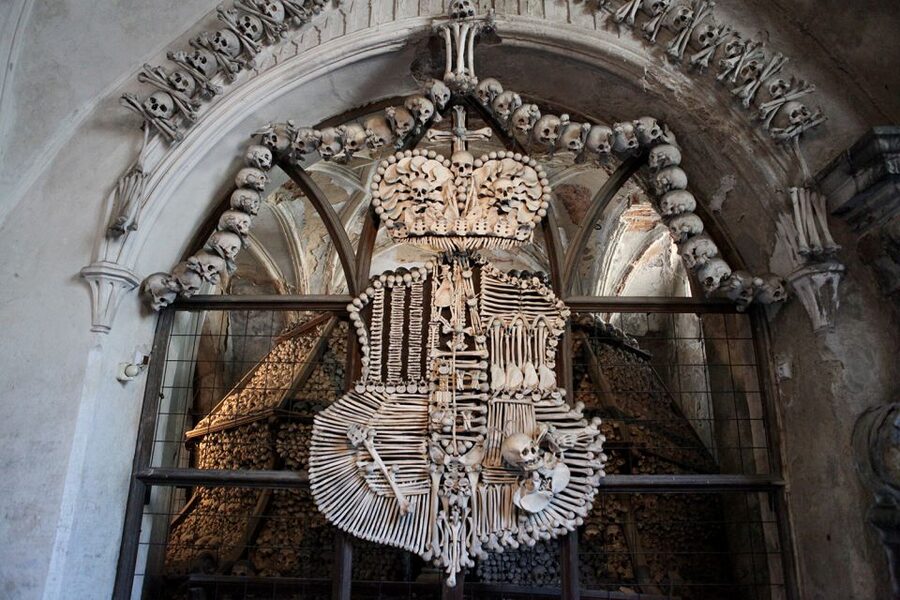
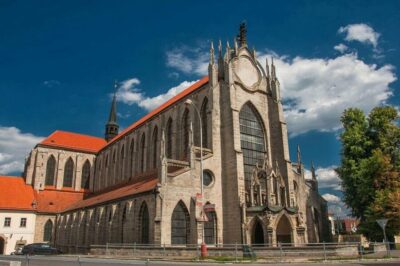
The Ossuary is part of the wider Sedlec religious area, where you will also see Bohemia’s oldest Cistercian Monastery. This adds needed context to the bone chapel. The site is not an isolated curiosity, but part of a long religious tradition that shaped the area.
The monastery helps explain why Sedlec became such an important place. Its presence also changes the mood of the visit. After the close, eerie space of the Ossuary, the larger religious setting gives you room to think about the role of faith, burial, and memory in medieval society.
The activity does not reduce Kutná Hora to a list of strange sights. It connects the monastery, the chapel, the town’s churches, and the wealth of the silver mines. That combination is what makes the excursion worth a full day.
St. Barbara’s Church and the town’s grand side
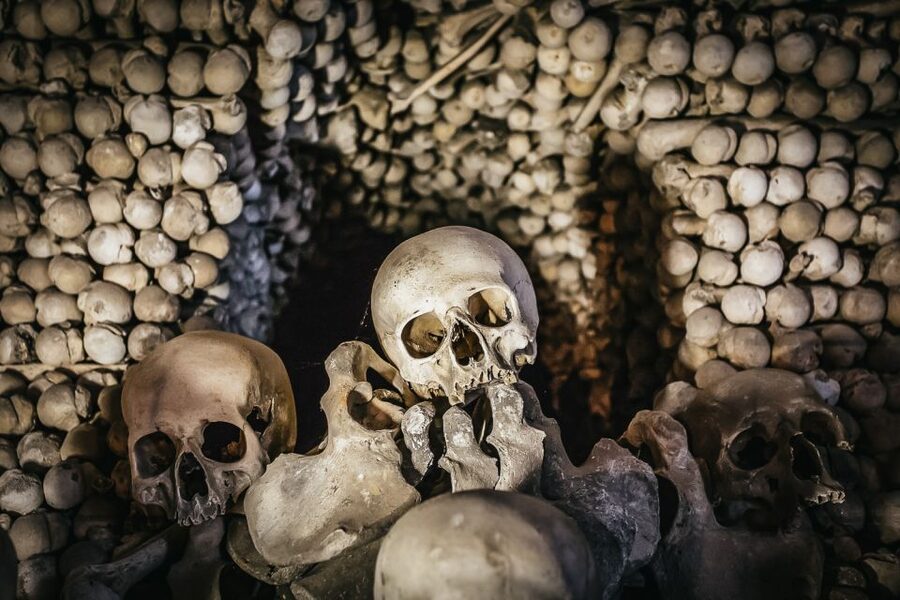
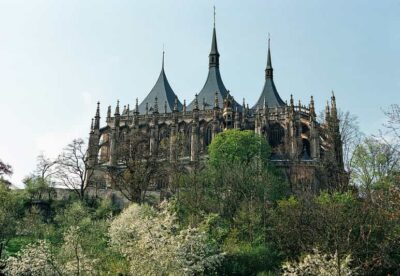
St. Barbara’s Church is the architectural counterweight to the Ossuary. Where Sedlec feels intimate and grave, St. Barbara’s reaches for spectacle. Its Gothic design reflects the money and confidence of a town that once rivaled Prague in economic and cultural importance.
The church is described as a miraculous and magnificent Gothic building, and entry is included. You will have the chance to see its scale and detail while learning how mining wealth supported major religious construction.
The church has also undergone restoration, so some areas may not look untouched. I see that as part of the building’s story rather than a flaw. A historic church is not a museum object frozen in one year. Its repairs show the continuing effort needed to keep a medieval monument standing.
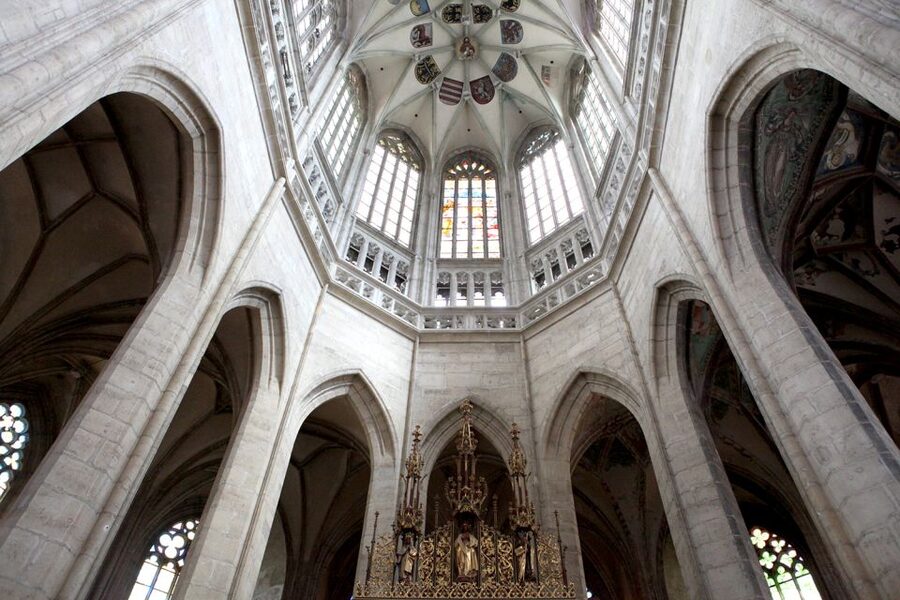
Allow yourself time to look up and around rather than simply following the guide from one stop to the next. This is the place where you most clearly see how Kutná Hora’s silver economy became stone, glass, and Gothic ambition.
The Italian Court, once a royal mint
The Italian Court was the Royal Mint and one of Kutná Hora’s central symbols of power. Silver from the local mines was processed into currency here, tying the town directly to the Bohemian crown.
This stop gives the day an economic backbone. The Ossuary explains religious and funerary customs, St. Barbara’s shows civic and religious wealth, and the Italian Court explains where the money came from.
I like including the Italian Court because it keeps the excursion from becoming a church-only tour. You are shown how mining affected government, trade, and the status of the town. The building also helps explain why Kutná Hora once competed with Prague for royal attention.
Entry to the Italian Court is included with the shared option listed for the activity. As with the Ossuary, confirm the selected package when you book.
Hussite Wars and the rise and fall of a silver town
A good guide will connect the buildings to the Hussite Wars and to Kutná Hora’s changing fortunes. The Hussite conflict was not just a footnote in Czech history. It affected religious life, politics, and the stability of towns across Bohemia.
Kutná Hora’s silver brought prosperity, but mining towns are tied to the fortunes of their resources. Once the great boom days passed, the town could no longer compete with Prague in the same way. Its old buildings survived, however, leaving you with a clear sense of its former importance.
This is where a live guide adds real value. You can read about the mines and the wars before arriving, but it is harder to understand the links between them without someone pointing out what you are seeing. Guides praised for their storytelling, humor, and local details made the town easier to read.
Petra was described as friendly and inclusive, while Adam and Tomas were praised for clear explanations and good organization. David was especially appreciated for adding facts about Czech food, customs, language, and culture. The strongest guides seem to make the history feel connected rather than delivering isolated dates.
Lunch in a local restaurant
Lunch is not included in the price, but the guide may lead the group to a local restaurant in Kutná Hora. The meal has been an important part of the day for many people, with Czech dishes, beer, and reasonable prices mentioned repeatedly.
Because the meal is not included, bring money for food and drink. The advantage is choice and flexibility. You pay for what you order rather than being locked into a fixed meal, though a group stop may still follow a set schedule.
A shared meal can also make the day feel less formal. You have time to talk with the guide and other members of the group, and the restaurant stop provides a break after the walking and concentrated history.
Do not count on this as a guaranteed included restaurant package. Treat it as a likely group recommendation rather than part of the paid inclusions.
Walking, timing, and comfort
This is not a good choice for anyone looking for a low-effort coach excursion. Expect walking around the historic center, movement between transport stops, and a pace designed to fit the major sights into one day.
Several useful details came up repeatedly in the feedback: wear proper shoes, be ready to walk briskly, and do not assume a stroller or mobility aid will be easy. The activity is not suitable for wheelchair users.
One parent managed the outing with a four-year-old in a stroller, but that does not mean the route is effortless for families. Small children may enjoy the train and the unusual chapel, yet adults should be ready to keep them close and maintain the group’s pace.
Summer heat can also matter. One departure had trouble with a vehicle that needed better air conditioning. If you visit in hot weather, ask which transport option you are receiving and carry water.
The return drop-off may not be at the same place as the meeting point. That is useful to know when planning dinner, another tour, or a timed reservation in Prague.
Is the $823 group price good value?
The price makes sense for a group that wants a private experience with transport, guiding, and several admissions handled together. For seven people, the per-person cost is much more reasonable than the headline figure suggests.
You are paying for more than a single entrance ticket. The day combines round-trip transport, an English-speaking guide, entry to St. Barbara’s Church, and, depending on the selected shared option, entry to the Sedlec Ossuary and Italian Court.
For two or three people, the value is less obvious. You may still appreciate the convenience and the guide, especially if you do not want to work out the train connections and short transfers yourself. But compare the private price with smaller group day trips or independent rail travel.
The strongest reason to pay is not luxury. It is time and interpretation. The guide keeps the day organized, fills in the history, and helps you see the town as more than a bone chapel.
Who should book this Kutná Hora tour?
I would recommend it to you if:
- You want a major day trip from Prague without arranging every train and entrance yourself.
- You enjoy unusual religious sites and can approach the Ossuary respectfully.
- You want both Gothic architecture and medieval economic history.
- You prefer a live English guide who can answer questions.
- You are comfortable walking at a reasonably quick pace.
- You are traveling with a group large enough to share the $823 cost.
I would look elsewhere if you need wheelchair access, dislike public transport, want a slow pace, or have no interest in religious history. You may also prefer a private vehicle if train connections and fast station walks sound tiring.
The free-cancellation window allows cancellation up to 24 hours ahead for a full refund, and you can reserve now and pay later. Those terms make it easier to fit the excursion into a changeable Prague schedule.
Should you book it?
Book this tour if you want Kutná Hora explained, not simply photographed. The Sedlec Ossuary is the hook, but St. Barbara’s Church, the Italian Court, the monastery, and the story of silver wealth give the day its real substance.
I especially like the train option for its glimpse of Central Bohemia, though it demands more energy. If your group can handle the walking and the price works when divided among several people, this is a strong, well-filled day outside Prague. Bring good shoes, budget for lunch, and approach the Bone Chapel with respect rather than expecting a novelty attraction.
FAQ
Where does the tour meet in Prague?
Meet your guide at the Discover Prague Tours office at Týnská 639/4 in Prague 1, just off Old Town Square.
How long does the experience last?
The activity lasts about seven hours. The detailed description also refers to a six-hour excursion, so check the confirmed start and end times for your selected date.
Is the tour private?
The activity is listed as a private group experience, with space for up to seven people.
Is transportation included?
Yes. Round-trip transportation is included by train or private vehicle, depending on the option selected.
Is lunch included?
No. Lunch is not included, although the guide may recommend or arrange a stop at a local restaurant.
Are entrance fees included?
Entry to St. Barbara’s Church is included. Entry to the Sedlec Ossuary and Italian Court is included if the shared option is selected.
What language is the tour offered in?
The live tour is offered in English.
Is the tour suitable for wheelchair users?
No. The activity is listed as unsuitable for wheelchair users. It also involves substantial walking, particularly with the public-transport option.
Recently added around Czechia
- Private one way transfer from Cesky Krumlov to Vienna★ 5.0 · 3 reviews
- St Vitus Cathedral and Prague Castle Private Walking Tour★ 4.0 · 3 reviews
- Český Krumlov 20th century tour★ 5.0 · 3 reviews
- Prague: Old Town and Jewish Quarter Small-Group Tour★ 5.0 · 3 reviews
- Prague Castle Interiors & Changing of the Guard-Small group★ 5.0 · 3 reviews
- Chocotopia Visit★ 3.5 · 3 reviews
- Royal Splendor Unveiled Private Prague Castle Interior Tour★ 3.5 · 3 reviews
- Running Tour of Prague. Your private 6-9K intro★ 5.0 · 3 reviews
Kutna Hora Tours, compared.
Kutná Hora, St Barbara’s Cathedral and Bone Church
Read our review →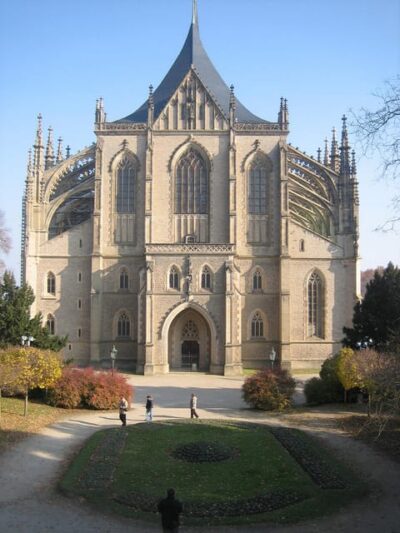
Browse the lists this tour appears in