
Reviewed · TEREZIN MEMORIAL TOURS
Operation Anthropoid Tour or Terezín Concentration Camp Tour
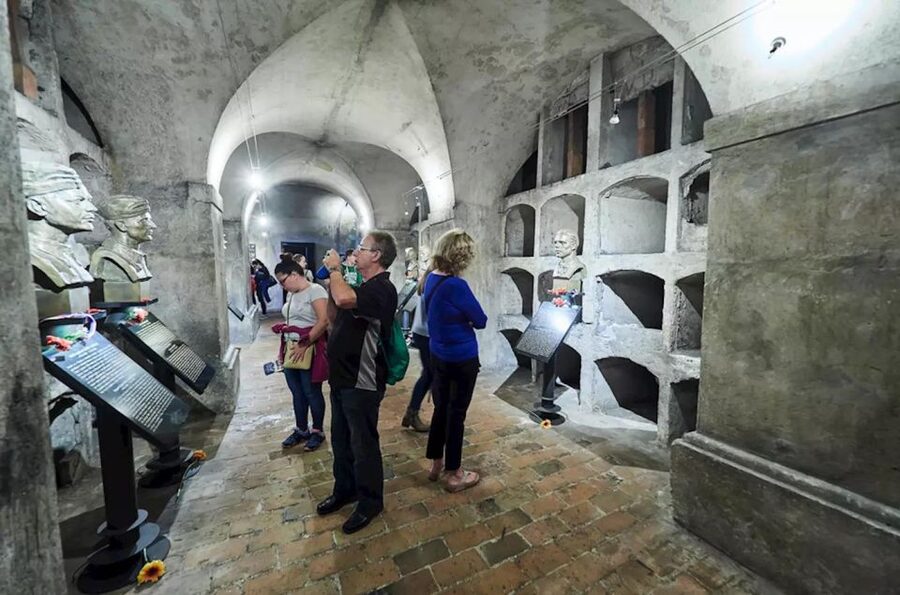
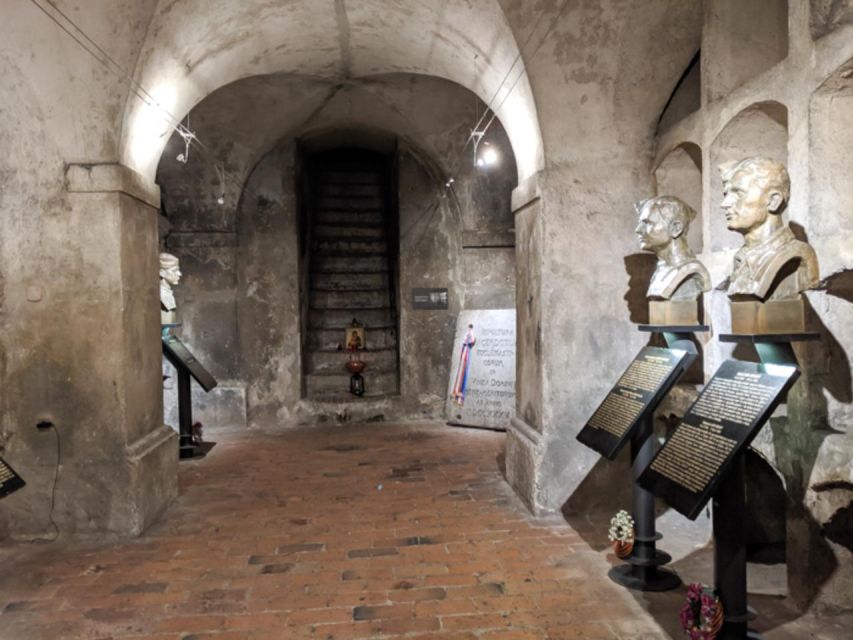
The most gripping part of this experience is the crypt beneath St. Cyril and St. Methodius, where resistance fighters made their last stand after the 1942 assassination of Reinhard Heydrich. I like the way the tour connects a quiet Prague church to the wider story of courage, sacrifice, and Nazi retaliation.
I also like that you can extend the visit to Terezín, where a military fortress became a ghetto-concentration camp and Gestapo prison. Guides such as Michael, Mike, and Radim have received strong praise for clear, personal explanations. The main caution is that the quality depends heavily on the guide, and one poor experience reported little beyond the museum text.
Key points to know before booking
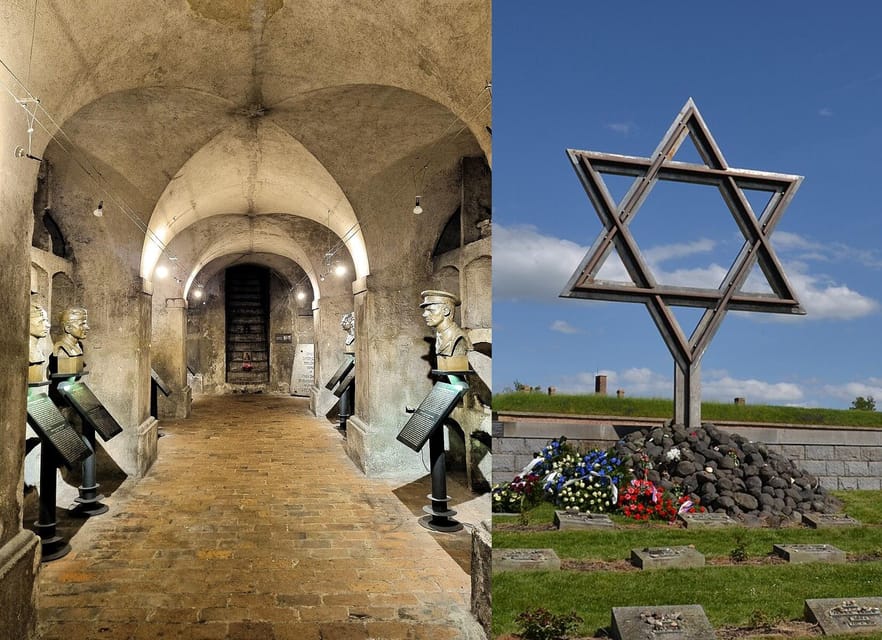
- The church crypt is the emotional center: See the underground refuge linked to Operation Anthropoid and the Czechoslovak resistance.
- You can choose Prague, Terezín, or both: The shortest option takes about one hour, while the combined day can last up to eight hours.
- Terezín has two very different sections: The Small Fortress served as a Gestapo prison, while the Big Fortress became a Jewish ghetto-concentration camp.
- The combined tour includes private transfers: Pickup and drop-off at your Prague accommodation are included for the Terezín visit.
- Guide quality matters here: Michael, Mike, Radim, and Dominic are praised for patience, warmth, and strong command of the subject.
- This is serious sightseeing: Expect museums, prison spaces, a cemetery, and Holocaust memorial sites rather than light entertainment.
Why the church crypt tells the real Operation Anthropoid story
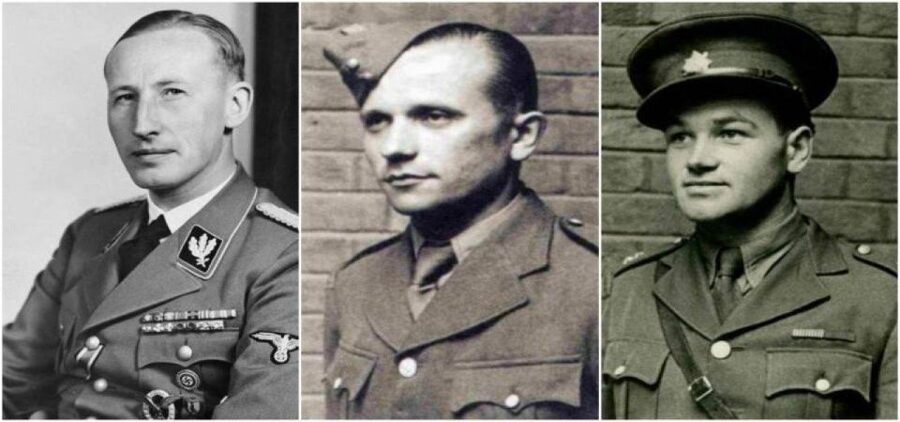
Operation Anthropoid was the code name for the Czechoslovak mission to assassinate Reinhard Heydrich, a senior Nazi official. The church of St. Cyril and St. Methodius became a refuge for the resistance fighters after the attack, and the crypt below the church is tied directly to the final chapter of their story.
You begin in the church, then move below ground into the crypt. The setting is plain and solemn. That helps. There is no need for theatrical decoration when the place itself carries such weight.
I find the site valuable because it gives the operation a human scale. Military history can become a list of dates and names. Here, you are standing in the kind of confined space where people had to make impossible choices, knowing that capture could bring torture, death, and punishment for others.
Your guide is important. A good guide can explain who the resistance fighters were, how the operation developed, and why the church became involved. Michael, Mike, and Radim are among the guides singled out for clear explanations and enthusiasm. One guide, Mike, was especially effective with a very small February group, where the two participants had what felt like a private lesson.
The tour is conducted in English. It is also available as a private group, which can suit you if you want time for questions or prefer a quieter pace. The published duration for the church visit begins at about one hour, although you should check the exact time when booking.
More visits to the Terezin memorial:
- From Prague: Terezin Concentration Camp Guided Tour w/ Audio
★ 4.5 · 1,959 reviews - Terezin Concentration Camp Day Tour from Prague
★ 4.0 · 1,007 reviews - From Prague: Terezín and Ghetto Museum Guided Tour
★ 4.3 · 571 reviews
The museum adds context before and after the crypt
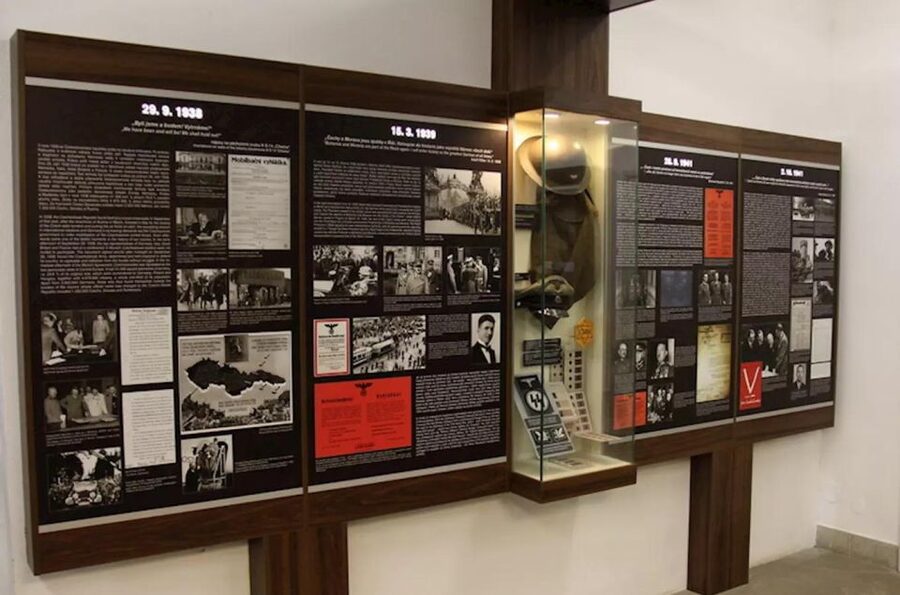
The church visit is more useful when you understand the larger political setting. The museum helps supply that background, including the cultural and historical context of Operation Anthropoid.
I like having this part included because the crypt alone could leave you with a powerful impression but an incomplete picture. Museum displays can explain the resistance network, the Nazi occupation, and the events that led the fighters to St. Cyril and St. Methodius.
This is also where the guide earns the fee. The museum already contains written information, so the guide should do more than read labels aloud. You want connections, explanations, and answers to the questions that naturally arise. Ask about the resistance, the assassination, the church, and what happened afterward.
That point matters because one visitor found the guide added little beyond the museum text and did not visit all the places described. I would treat that as a warning to confirm exactly which version you are booking and to ask your guide what the visit includes at the start.
Terezín’s Small Fortress shows the prison system
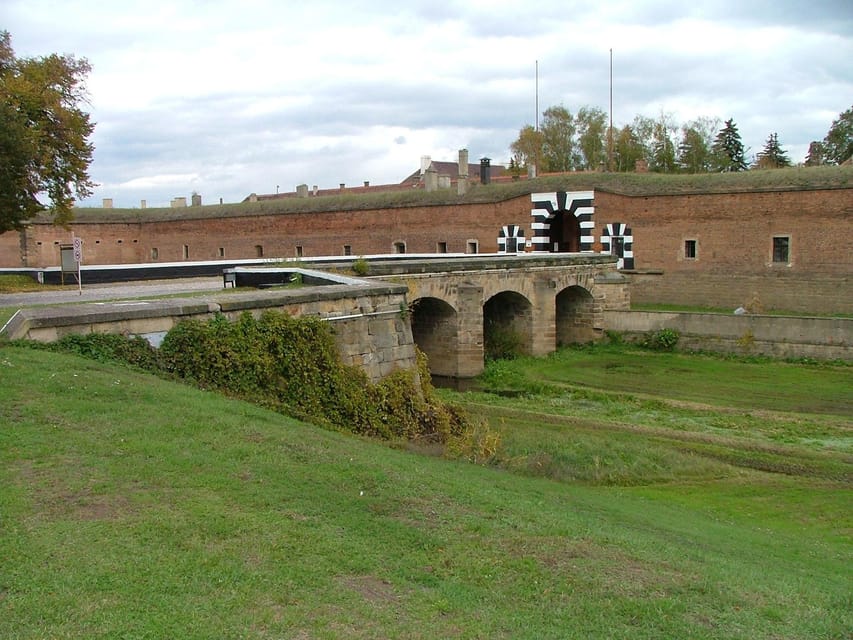
The Terezín portion changes the focus from resistance to imprisonment and genocide. Terezín was built as a military fortress in the eighteenth century. During the Second World War, its two main sections were used in different ways.
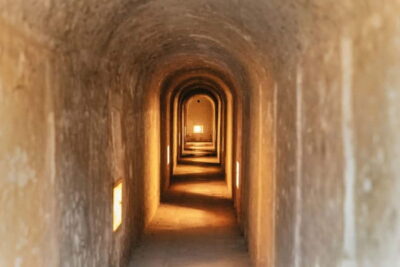
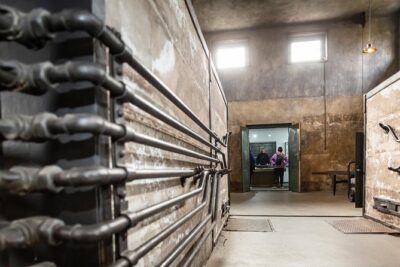
The Small Fortress became a Gestapo police prison. A guided visit here helps you understand the place as a prison facility, not simply as an old military structure. You can expect a serious tour through the fortress areas included in the visit, with the guide explaining how the site functioned under Nazi control.
The distinction between the Small Fortress and the Big Fortress is essential. Many people hear Terezín and picture one single camp. In fact, the two sections served different purposes, and the tour is strongest when it keeps those roles clear.
The Small Fortress is likely to feel more direct and physical than a conventional museum. You are seeing the architecture of confinement itself. That can make the visit difficult, especially for anyone who prefers to process Holocaust history slowly.
Take your time with the guide’s explanation. The point is not to rush through rooms and collect photographs. The value comes from understanding how the prison fitted into the wider system of Nazi persecution.
The Big Fortress and Ghetto Museum explain a different kind of captivity
The Big Fortress became a ghetto-concentration camp for Jewish people. The Ghetto Museum and Magdeburg Barracks are included in the Terezín visit, giving you a chance to learn how the ghetto was organized and how people lived under Nazi rule.
The term ghetto-concentration camp can be confusing, so this is another place where a guide helps. Terezín was used to imprison Jewish people, control their movement, and present a misleading image of Nazi treatment. The museum material and guide’s explanations help separate propaganda from the reality of hunger, fear, overcrowding, illness, and loss.
The Magdeburg Barracks are part of that story. Their inclusion gives the visit another layer beyond the prison spaces of the Small Fortress. You are not only looking at cells or walls. You are also confronting the way a whole community was confined and managed.
The experience includes stories of Terezín survivors. Those personal accounts matter because statistics alone can make the Holocaust feel distant. A survivor’s experience brings attention back to individual lives, families, hopes, and choices.
I would allow your group time to talk after this section. The subject is heavy, and the tour is better when you do not treat it like a rapid checklist of sights.
A few more Prague half-days to weigh up
- Prague: 50-Minute Sightseeing Evening Cruise
★ 4.2 · 33,780 reviews - Prague: Medieval Dinner with Unlimited Drinks
★ 4.4 · 19,847 reviews - Prague: Skip-the-line Castle Ticket and Optional AudioGuide
★ 4.3 · 11,121 reviews - Prague: Castle Tour with Local Guide and Entry Ticket
★ 4.6 · 10,422 reviews
The cemetery and crematorium complete the picture
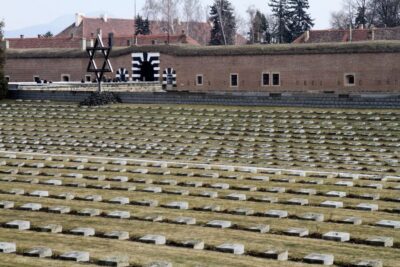
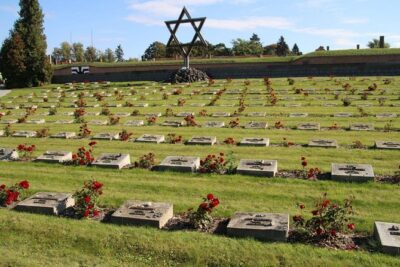
The Terezín visit includes the cemetery and crematorium. These are not optional extras in terms of meaning. They show the final consequences of the system described in the fortress and museums.
The cemetery provides a quiet place to reflect on the scale of death. The crematorium adds another difficult but necessary part of the story. Together, these sites make clear that Terezín was not simply a place of temporary detention. It was part of the Nazi machinery of persecution and mass death.
A guide can help you understand the role of each place without reducing it to a string of grim facts. I prefer a calm, factual presentation here. You should expect a respectful visit, not a dramatic performance.
Terezín also carries a story of courage and self-sacrifice. People imprisoned there tried to protect one another, maintain culture, and preserve human dignity under brutal conditions. That does not soften the suffering, but it prevents the place from being presented only as a collection of buildings and dates.
The one-day combination gives the strongest context
You can book the Operation Anthropoid visit alone, the Terezín concentration camp visit alone, or the combined option. The ultimate one-day tour includes both.
The combined version is the most complete choice if this subject is a main reason for your Prague visit. The church and crypt show armed resistance and sacrifice. Terezín then broadens the story to imprisonment, ghetto life, forced separation, and Holocaust persecution.
The full experience can last up to eight hours. That is a substantial block of your day, but private transfers are included for the Terezín tour, with pickup and drop-off at your Prague accommodation. This saves you from arranging separate transport to a site outside central Prague.
The meeting point listed for the guide is in front of the Dancing House. Check the exact arrangement for your chosen package, since the Terezín option includes private transfers while the meeting instructions also specify the Dancing House.
An eight-hour historical tour is not for everyone. If you have limited time in Prague, the church and crypt offer a focused one-hour visit. If you want the full wartime story, the combined day is more efficient than trying to organize each location yourself.
Guide quality makes a real difference
The strongest part of the experience is the guide’s ability to make difficult material understandable. Michael is praised for being friendly, professional, and willing to help. Mike is described as passionate and especially good at making Operation Anthropoid clear. Radim is also noted for bringing energy and strong subject knowledge to the visit.
Dominic is mentioned alongside Michael for helping a visitor who needed a wheelchair after badly injuring a foot. They found a wheelchair, and Michael pushed it over uneven ground and up and down steps. That shows a practical level of care, although you should not assume every part of the route is easy for mobility equipment.
You should ask questions. The best version of this tour is interactive, and the guide can explain details that a display panel cannot. A small private group may give you more time for discussion, while a larger group could feel less personal.
There is one clear caution. A Dutch participant reported paying for places that could be visited free of charge, receiving little extra explanation, and missing places named in the description. That is not a reason to dismiss the tour, but it is a reason to confirm the precise route and inclusions before setting off.
Is $23 a good price?
The advertised price is $23 per person. That is attractive for the church and crypt visit, especially if your guide adds useful historical context rather than repeating museum text.
For Terezín, value depends on which package the price refers to and what is included at booking. The listed Terezín package includes entrance to the fortress, Ghetto Museum, Magdeburg Barracks, and crematorium, along with private transfers and an expert guide. The combined option includes both the Operation Anthropoid visit and the Terezín tour.
At that price, the real value is convenience and interpretation. You are not only paying to enter a building. You are paying for a planned route, transport for Terezín, and someone who can connect separate sites into one clear account.
Still, check the final package price carefully. The experience is described as lasting from one to eight hours, which suggests that the cost and schedule may vary by option. A low starting price may apply to the shorter church visit rather than the full day.
Free cancellation up to 24 hours before the tour and reserve-now, pay-later booking make it easier to fit into an uncertain Prague schedule. Those terms are useful, but they do not replace checking what your selected package includes.
Who will appreciate this experience most?
I would recommend it to you if you want serious twentieth-century history presented at the actual places where it happened. It suits people who enjoy museums, memorials, and guided interpretation more than casual sightseeing.
The Operation Anthropoid visit alone works well for:
- A short Prague itinerary
- Anyone interested in resistance history
- Visitors who want an important site away from the usual castle and Old Town route
- People who prefer a focused one-hour experience
The Terezín visit is better for you if you want a fuller understanding of Nazi persecution and the Holocaust in the Czech lands. It demands more time and emotional energy, but the Small Fortress, Big Fortress, museums, cemetery, and crematorium form a much broader picture.
Families with older children may find the history valuable, though the subject is not light. I would decide based on your child’s age and ability to handle prison and Holocaust material.
The tour may not suit you if you want a relaxed day, dislike guided visits, or prefer to read museum panels at your own speed. You can also be disappointed if you expect the guide to take you into every location named in the description without first confirming the route.
Practical advice for a respectful visit
Wear comfortable shoes. The Terezín visit includes fortress grounds and uneven surfaces, and one participant needed substantial help with a wheelchair. Steps and difficult surfaces may be part of the route, so tell the provider about mobility needs before booking.
Plan for a serious mood. The church crypt, prison, cemetery, crematorium, and survivor accounts are places for quiet attention. You do not need special knowledge before arriving, but reading a short account of Operation Anthropoid can help you follow the guide’s story.
If you choose the combined tour, do not schedule another major attraction immediately afterward. The visit can take most of the day, and the material deserves time to settle.
At the meeting point, look for the guide in front of the Dancing House. The tour language is English, and private groups are available. Starting times depend on availability, so confirm the hour and the exact package before payment.
Should you book the Operation Anthropoid and Terezín tour?
Book it if you want a guided, place-based look at Czech resistance and Nazi persecution, especially if private transport to Terezín will make your day easier. The church crypt is the sharper, more concentrated experience, while Terezín gives you the wider and heavier historical picture.
I would choose the combined day for a first serious visit to these sites, provided you have enough time and emotional space. If your schedule is tight, book the Operation Anthropoid tour alone and make sure your guide will explain more than the museum text.
The experience is at its best with a strong guide such as Michael, Mike, or Radim. Confirm the route, inclusions, duration, and accessibility needs before you go. With those details settled, this can be one of the most meaningful history-focused outings from Prague.
FAQ
Where does the Operation Anthropoid tour meet?
The meeting point is in front of the Dancing House.
What language is the tour conducted in?
The live tour guide speaks English.
How long does the experience last?
The available duration ranges from one to eight hours, depending on the option you choose. Check availability for the exact starting time and length.
What can I see on the Operation Anthropoid tour?
You visit the Church of St. Cyril and St. Methodius, the crypt beneath the church, and the related museum.
What was Operation Anthropoid?
Operation Anthropoid was the Czechoslovak resistance mission to assassinate Reinhard Heydrich, a senior figure in the Nazi regime.
What is included in the Terezín tour?
The Terezín option includes entrance to the Terezín fortress, Ghetto Museum, Magdeburg Barracks, and crematorium, plus private transfers and an English-speaking guide.
What is the difference between Terezín’s Small Fortress and Big Fortress?
The Small Fortress was used as a Gestapo police prison. The Big Fortress became a ghetto-concentration camp for Jewish people.
Are Terezín’s cemetery and crematorium included?
Yes. The Terezín visit includes the cemetery and crematorium as part of the sites visited.
Is private transportation provided to Terezín?
Yes. The Terezín option includes private transfers with pickup and drop-off at your Prague accommodation.
Can I cancel the booking?
You can cancel up to 24 hours in advance for a full refund. Reserve-now, pay-later booking is also available.
Recently added around Prague
- St Vitus Cathedral and Prague Castle Private Walking Tour★ 4.0 · 3 reviews
- Prague: Old Town and Jewish Quarter Small-Group Tour★ 5.0 · 3 reviews
- Royal Splendor Unveiled Private Prague Castle Interior Tour★ 3.5 · 3 reviews
- Prague Castle Interiors & Changing of the Guard-Small group★ 5.0 · 3 reviews
- Prague: Bohemian & Saxon Switzerland National Park Day Trip★ 5.0 · 3 reviews
- Running Tour of Prague. Your private 6-9K intro★ 5.0 · 3 reviews
- PRAGUE AIRSOFT SHOOTING GAMES★ 4.7 · 3 reviews
- Private walking tour and Boat cruise Best of Prague★ 5.0 · 3 reviews
Terezin Memorial Tours, compared.
Terezin Concentration Camp Guided Tour w/ Audio
Read our review →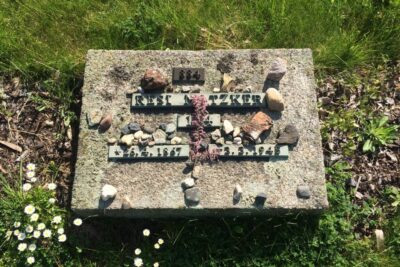
Terezin Concentration Camp Day Tour from Prague
Read our review →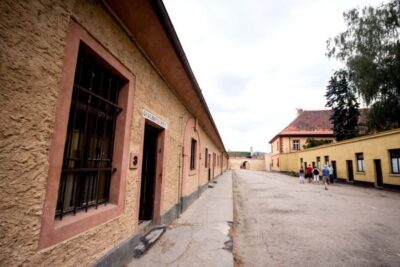
Terezin & Bohemian Switzerland from Prague: Bastei, Narnia & Café
Read our review →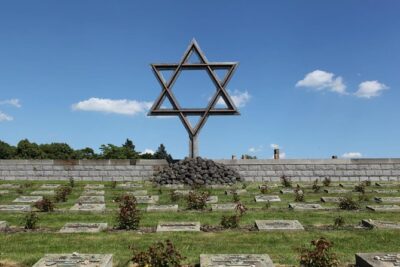
Terezin Concentration Camp Day Tour Including Admission From Prague
Read our review →
Terezin In-Depth Holocaust Tour From Prague’s Center (max 7 pax)
Read our review →Browse the lists this tour appears in