
Reviewed · MUSEUMS
Museum Story of Prague
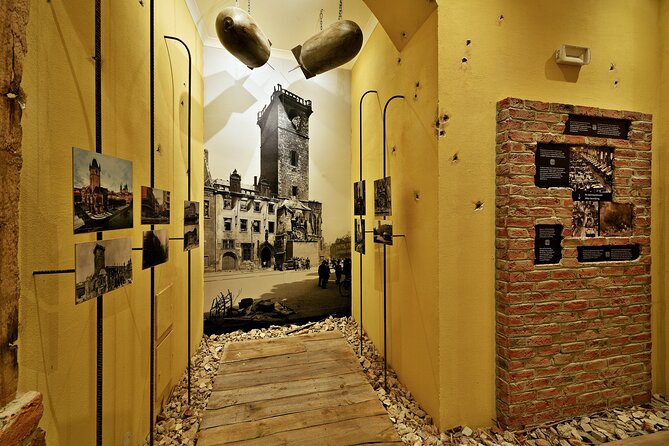
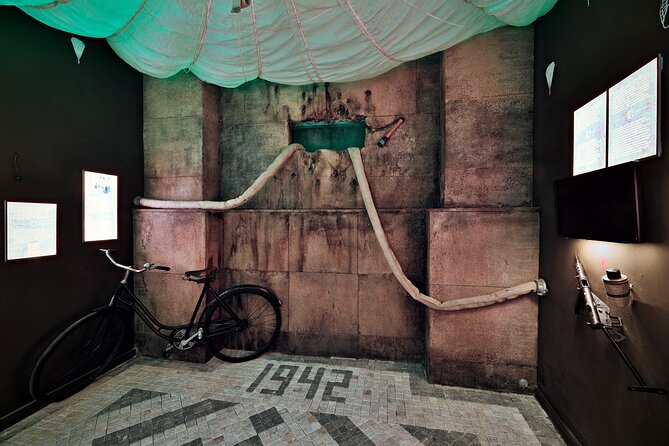
Prague’s past comes alive here through mixed reality, film, and sound, rather than behind rows of quiet glass cases. You move from knights and kings to the Hussites, wartime occupation, Soviet rule, and the Velvet Revolution, with the Golem watching from the dimly lit medieval section.
I like the clear three-floor timeline and the museum’s effort to make difficult history feel direct without turning it into a dry school lesson. I also like the unusual touches, including a hidden room and exhibits that do not appear in the usual photographs. The main drawback is the heavy use of QR codes, which may feel like too much screen work after the first floor.
Key things to know before visiting
- The Golem anchors the medieval galleries: A tall figure from Prague’s Jewish folklore gives the early rooms a strong sense of mystery.
- Three floors cover major turning points: You’ll move from medieval Prague to Nazi occupation, Soviet rule, the Velvet Revolution, and modern Czech achievements.
- Mixed reality keeps the history moving: Film installations, audio elements, and interactive displays replace much of the traditional read-and-walk museum style.
- The visit lasts about 90 minutes: That makes it an easy fit between Old Town sights, especially with the listed 10:00 am start.
- QR codes add extra material: They may provide useful context, but you do not need to scan every one to understand the main displays.
- The price is $19.27 per person: For a central museum with several historical periods and interactive features, the value is strongest if you enjoy modern presentation.
A fast way to meet Prague’s entire story
The Story of Prague Museum tries to answer a big question: how can you explain centuries of a city’s past without burying people in dates? Its answer is to build a chronological walk through Prague, using objects, projections, sound, and theatrical displays.
That approach suits you if you want a broad introduction before exploring the city on foot. You will not study one narrow period in great depth, but you will see how medieval power, religious conflict, war, dictatorship, and peaceful political change fit together.
The museum also places you inside the city’s legends. Prague is not only stone bridges and handsome squares. It is a place of religious upheaval, military struggle, eerie folklore, occupation, and political courage. The galleries try to keep those subjects connected.
I would allow the full 90 minutes, even though the museum may be possible to walk through more quickly. The displays invite you to pause, listen, watch, and examine details. If you rush, you will get the outline but miss much of the atmosphere.
More Museums in Prague:
- Prague: Museum of Fantastic Illusions Entry Ticket
★ 4.3 · 4,337 reviews - IAM Illusion Art Museum Entry Ticket
★ 4.2 · 1,664 reviews - Prague: Museum of Senses Admission Ticket
★ 4.0 · 1,445 reviews
Floor one: kings, Hussites, torture, and the Golem
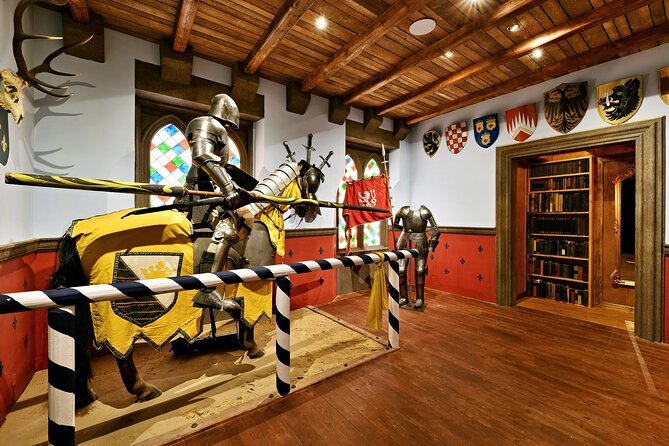
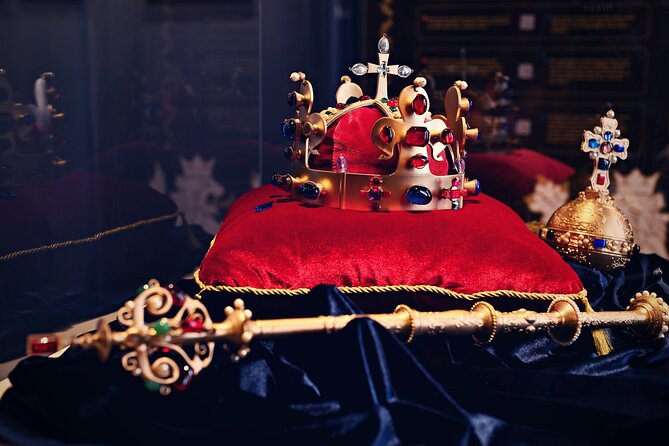
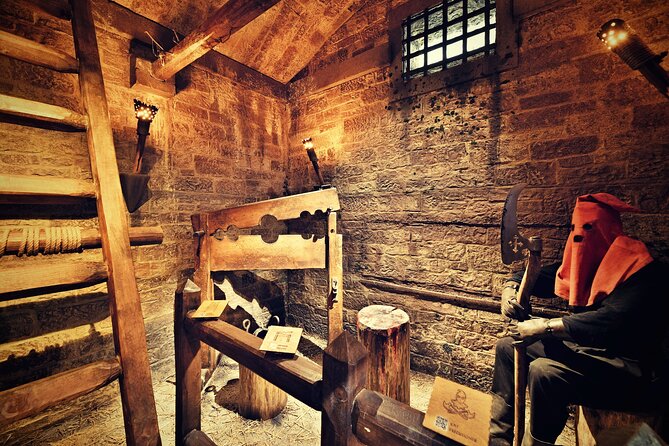
The first floor takes you into Prague’s medieval world. Expect material on knights and kings, along with Jan Žižka and the Hussites, a religious reform movement that played a major role in Czech history.
This is useful preparation for seeing Prague itself. Once you know that the city was shaped by religious conflict and competing claims to power, its churches, towers, monuments, and old streets carry more weight. The museum gives you that setting before you return outside.
One section covers medieval torture. The presentation does not include practical demonstrations, which matters if you are interested in the subject but do not want a graphic or theatrical reenactment. You get the historical theme without the museum turning it into a spectacle.
The construction of the Old Town Hall and Astronomical Clock also appears here. Most people see the clock as a charming mechanical show in the Old Town Square, but the museum places it within the story of the city and its civic life.
Then comes the Golem. In the dim halls, the tall figure brings Prague’s old mysticism into the room. The Golem is part of Jewish folklore connected with Prague, and its presence gives this section a mood that ordinary historical labels cannot provide.
This is one of the museum’s best ideas. The Golem is not simply another object to pass. It creates a visual pause between political history and legend, reminding you that a city’s identity is built from stories as well as recorded events.
The first floor also makes the museum’s interactive style clear. You might watch a film installation, listen to an audio element, or use a QR code for additional material. These tools can help if you enjoy learning through several senses, but you may find the repeated scanning distracting.
How the interactive displays change the visit
A traditional museum usually asks you to read labels and inspect objects. This museum wants you to react to scenes, sound, moving images, and digital prompts. That gives the galleries more energy, especially when the subject is a major event rather than a single artifact.
I like this format for a first visit to Prague because it gives you a quick mental map. You can see how the city’s story changes from medieval authority to modern national identity without stopping for long academic explanations.
The mixed-reality elements also help connect the past to places you may see outside. When a display explains the Old Town Hall or the Astronomical Clock, you have a better sense of what to notice when you reach the square.
Still, interactive design is not automatically better for everyone. If you prefer original objects, long written explanations, and quiet observation, some parts may feel overproduced. The QR codes are the clearest example. They offer extra information, but scanning one after another can turn a museum visit into a phone task.
My practical advice is simple: use the QR codes selectively. Scan the ones tied to a subject you want to understand, then keep moving. You can experience the main storyline without treating every code as required homework.
Floor two: occupation, bombing, and Soviet rule
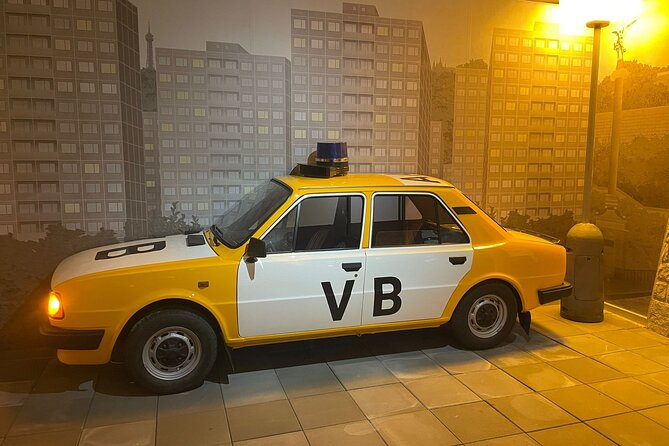
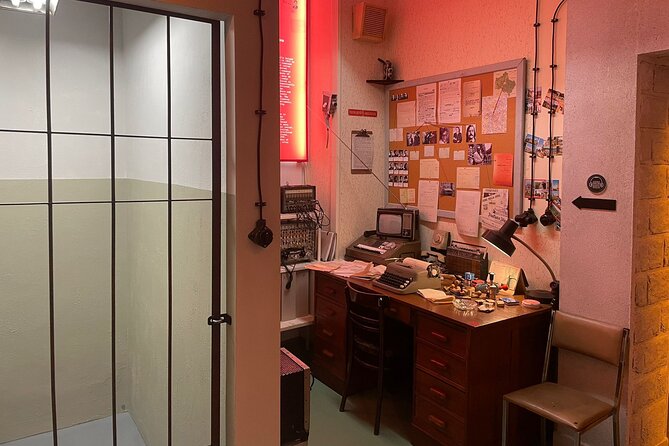
The second floor changes the mood. It covers the Nazi occupation, the bombing of Prague, and the Soviet occupation. These are not distant medieval stories, and the museum’s darker presentation suits the material.
This part matters because Prague’s beauty can make its recent past easy to overlook. You may walk through elegant streets and assume the city has always looked calm and intact. The exhibits remind you that Prague endured occupation, violence, political pressure, and profound changes within living memory.
The bombing of Prague is another important inclusion. Many people associate the city mainly with preserved architecture, but wartime destruction affected its buildings and its people. Seeing the subject within the city’s wider timeline helps you understand that preservation was not guaranteed.
The Nazi occupation and Soviet occupation also show two different forms of outside control. The museum places them in the same broad story without treating them as identical. That comparison can help you understand why Czech political memory remains so attentive to foreign power and lost freedom.
You should expect this floor to be more serious than the medieval galleries. The shift is useful, but families with young children may want to decide in advance how much explanation they need. The supplied information indicates that most people can participate, but it does not give a specific age recommendation or detailed content warning.
Because the museum uses film and audio, give yourself time to absorb the mood. Do not race through this floor simply because the subject is less playful. For many people, it will be the section that gives the visit its strongest connection to modern Prague.
A few more Prague half-days to weigh up
- Prague: 50-Minute Sightseeing Evening Cruise
★ 4.2 · 33,780 reviews - Prague: Medieval Dinner with Unlimited Drinks
★ 4.4 · 19,847 reviews - Prague: Skip-the-line Castle Ticket and Optional AudioGuide
★ 4.3 · 11,121 reviews - Prague: Castle Tour with Local Guide and Entry Ticket
★ 4.6 · 10,422 reviews
Floor three: the Velvet Revolution and Czech achievements
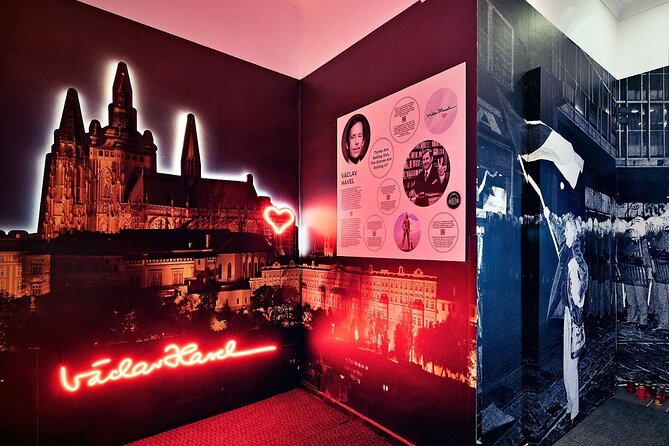
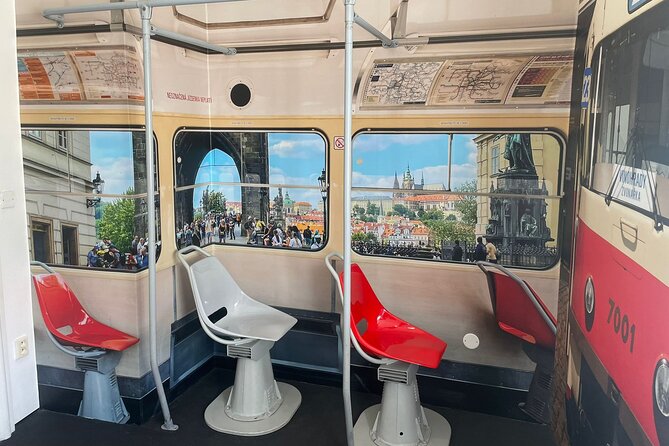
The third floor turns toward the Velvet Revolution and Czech achievements around the world. After the difficult material below, this section provides a sense of movement and possibility.
The Velvet Revolution is central to understanding modern Czech identity. It was a peaceful political change that ended Communist rule in Czechoslovakia in 1989. Even without a long lecture, placing it at the end of the timeline gives the whole visit a clear direction, from old power structures toward civic change.
The final section also celebrates Czech accomplishments beyond the country’s borders. The supplied details do not list every achievement or exhibit, so you should expect a broad closing look rather than a complete survey of modern Czech culture and innovation.
That broad approach is one of the museum’s strengths and its limit. You receive a connected story in a manageable visit, but you will not leave having studied each era in detail. I would use this floor as a springboard for further exploration in Prague, not as the last word on Czech history.
What the hidden room adds
The museum includes a hidden room and unique exhibits that are not seen in photographs. That makes the visit more than a predictable walk through material you have already viewed online.
The hidden room is especially appealing if you enjoy museums with a small element of discovery. The available information does not explain exactly what is inside, so I would not plan your visit around a particular object or surprise. Think of it as an extra reward for moving through the galleries carefully.
The unseen exhibits also make an in-person visit worthwhile. Online images can show you the main displays, but they cannot reproduce the full sequence of rooms, sound, lighting, and transitions. Here, the order and atmosphere are part of the experience.
Is $19.27 good value for 90 minutes?
At $19.27 per person, this is not the cheapest quick museum stop in Prague. The price makes more sense when you consider what is included: three floors, a broad timeline, interactive exhibits, film installations, audio elements, and special features such as the Golem and hidden room.
The value is best for you if you want orientation. In about an hour and a half, you can meet the main chapters of Prague’s past without booking a guide or committing half a day. The mobile ticket also keeps the admission process simple.
I would be less enthusiastic about the price if you only want a collection of rare historic objects. The museum’s appeal is its presentation and range. You are paying for a guided-feeling experience created by the displays, not for a large research collection or a specialist lecture.
The average booking point is 12 days ahead, which suggests that planning early is sensible during a busy Prague visit. You receive confirmation when you book, and free cancellation is available until 24 hours before the 10:00 am start time. If you cancel later or make changes within that final 24-hour period, you should not expect a refund.
Timing, transport, and planning your visit
The listed start time is 10:00 am. That gives you a useful first activity of the day, particularly if you want to spend the afternoon visiting Prague’s Old Town sights connected to the museum’s displays.
The museum is near public transportation, so you do not need to build your day around a difficult transfer. The information does not specify a meeting guide or group size, so treat this as a self-directed museum admission rather than a guided walking tour.
A mobile ticket is included. Keep your phone available for entry and for optional QR codes, but remember that the QR material is not the whole visit. If you prefer to limit screen time, focus on the physical displays, film installations, and audio elements.
Most people can participate. Specific accessibility details are not provided, so you should confirm any mobility or access requirements before booking if those details are important to you.
Who will enjoy this museum most?
I would recommend it to first-time visitors who want a readable introduction to Prague. It also suits anyone who likes history presented through images, sound, and interactive features rather than long blocks of text.
Families may appreciate the Golem, the medieval themes, and the changing displays, though the occupation and bombing sections are more serious. Children who need constant hands-on activity may enjoy the format, but the museum is still built around historical storytelling, not a play center.
It is also a good choice for a rainy morning or for a short cultural stop between major sights. The 90-minute length is long enough to feel worthwhile but short enough to fit into a packed city schedule.
You may want to skip it if you have already studied Prague’s history in detail and prefer specialist museums. You might also find the digital features irritating if you want a quiet, object-focused visit. The QR code system is easy to ignore, but the museum’s overall style still leans toward technology and presentation.
Should you book the Story of Prague Museum?
Book it if you want one compact visit that connects medieval legends, the Old Town Hall, wartime Prague, Communist rule, the Velvet Revolution, and modern Czech accomplishments. The Golem, hidden room, mixed-reality elements, and three-floor timeline give the museum more character than a basic history display.
I would treat the $19.27 ticket as fair value for a well-planned 90-minute introduction, especially if you are new to Prague or want context before sightseeing. Go in expecting an interactive story rather than a quiet collection of original artifacts, and use the QR codes only when they add something you want to know.
FAQ
Where is the Story of Prague Museum located?
It is in Prague, Czech Republic, and is near public transportation. The exact street address is not provided in the available information.
How long does the museum visit take?
The experience lasts approximately 1 hour and 30 minutes.
What time does the experience start?
The listed start time is 10:00 am.
Is admission included?
Yes. Admission to the Story of Prague Museum is included with the experience.
Do I need a printed ticket?
No. The experience provides a mobile ticket.
Can I cancel for a full refund?
Yes. You can cancel at least 24 hours before the local start time for a full refund. Cancellations and changes made less than 24 hours before the start time are not accepted for a refund.
Recently added around Prague
- St Vitus Cathedral and Prague Castle Private Walking Tour★ 4.0 · 3 reviews
- Prague: Old Town and Jewish Quarter Small-Group Tour★ 5.0 · 3 reviews
- Prague Castle Interiors & Changing of the Guard-Small group★ 5.0 · 3 reviews
- Royal Splendor Unveiled Private Prague Castle Interior Tour★ 3.5 · 3 reviews
- Prague: Bohemian & Saxon Switzerland National Park Day Trip★ 5.0 · 3 reviews
- Running Tour of Prague. Your private 6-9K intro★ 5.0 · 3 reviews
- Discover Prague’s most Photogenic Spots with a Local★ 3.5 · 3 reviews
- PRAGUE AIRSOFT SHOOTING GAMES★ 4.7 · 3 reviews
Museums, compared.


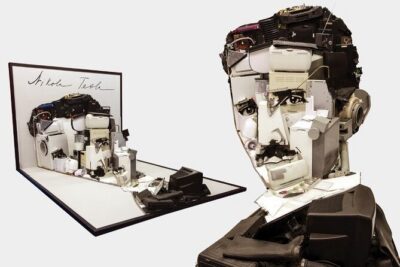
IAM Illusion Art Museum Prague Fast Pass Ticket
Read our review →
Ticket to Audiovisual Light Art at Lumia Gallery
Read our review →

Browse the lists this tour appears in