Reviewed · PRAGUE TOURS
Prague: A. Vivaldi Four Seasons at St. Salvator Church
St. Salvator Church gives this concert its real magic: Vivaldi’s strings and Bach’s organ sound far larger beneath the church’s vaulted interior than they would in a small concert room. I like the one-hour length, which fits neatly before dinner, and I like the mix of familiar music, Czech pieces, a soprano, and powerful organ interludes.
The main drawback is comfort. The church can be cold, especially in winter, and the wooden pews grow hard after about 30 minutes. Arrive early to exchange your ticket and get the best available seat within your section.
Key points to know before you book
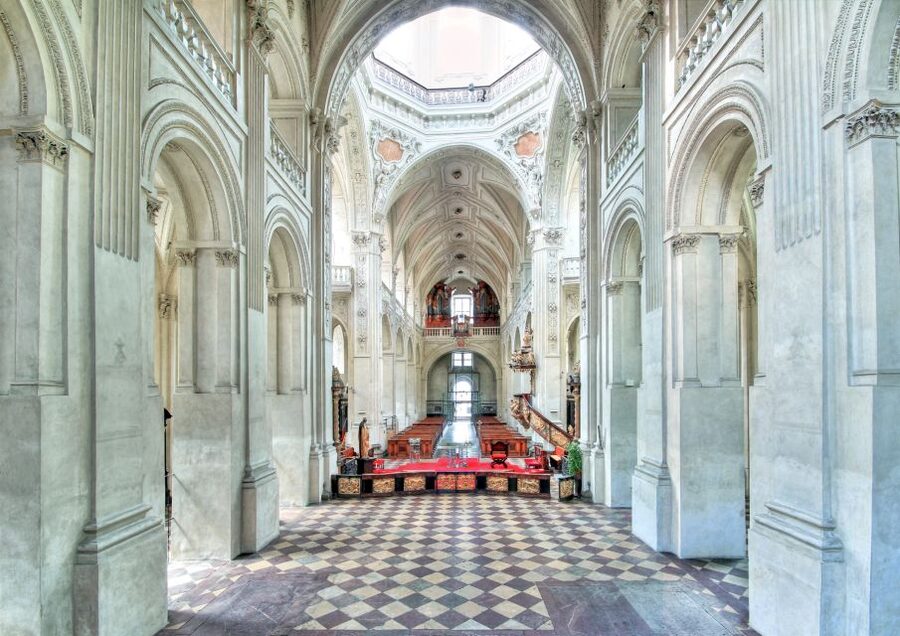
- St. Salvator Church: Hear the concert inside the main church of Prague’s historic Klementinum complex.
- A familiar program: Vivaldi’s Spring and Winter share the bill with Bach, Beethoven, Dvořák, Smetana, Schubert, Handel, Mozart, and Christmas music.
- Royal Czech Orchestra: The ensemble performs with Prague soloists Eva Müllerová, Robert Hugo, and Viktor Mazáček.
- One-hour format: A compact concert that works well before dinner or as an evening cultural stop.
- Arrive 30 minutes early: Exchange your ticket at the box office just to the right of the church entrance, then wait for the doors to open 15 minutes before the performance.
- Dress for the building: There is no official dress code, but a warm coat is wise, and the seating is church pews.
Why St. Salvator Church is half the experience
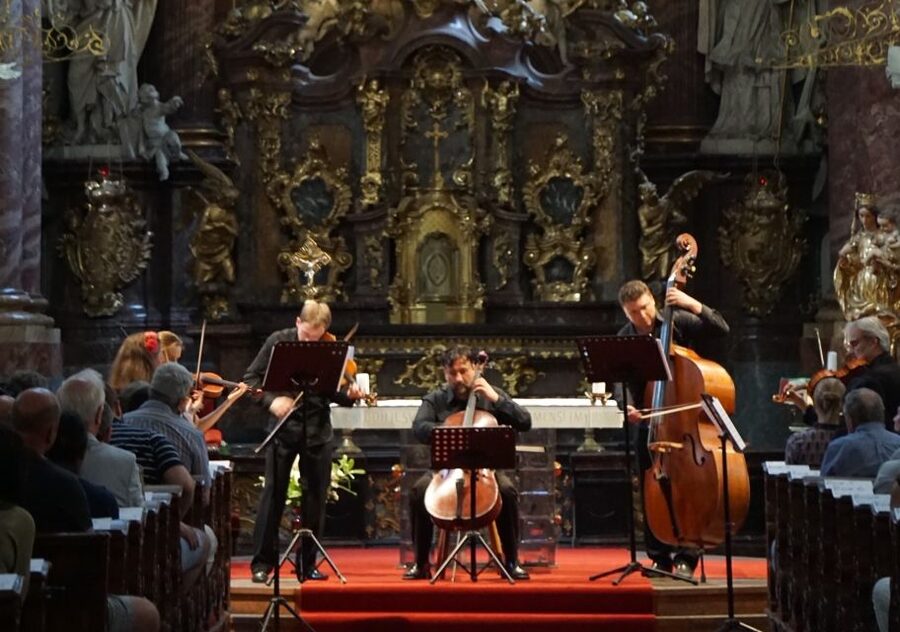
You are not simply walking into a concert hall. St. Salvator is the main church of the Klementinum complex, one of central Prague’s major historic sites, and its interior provides the setting for the entire evening.
The architecture matters because the music is not presented against a plain stage backdrop. The church’s ornate details, high interior, and strong acoustics become part of the performance. Strings carry through the room, voices gain a soft echo, and the organ can fill the space with a force that smaller venues cannot match.
I especially like the contrast between delicate passages and the church’s huge sound. A quiet string entrance can feel intimate, while Bach’s Toccata and Fugue in D minor can suddenly turn the room into a wall of sound. Several performances also include an organ interlude that gives Robert Hugo, identified in the program as one of the featured Prague soloists, a chance to command the instrument.
The setting is also practical for first-time concertgoers. You do not need to commit to a full opera or a long symphony program. One hour gives you a concentrated taste of Prague’s musical life, with enough variety to keep the evening moving.
A few more Prague half-days to weigh up
- Prague: 50-Minute Sightseeing Evening Cruise
★ 4.2 · 33,780 reviews - Prague: Medieval Dinner with Unlimited Drinks
★ 4.4 · 19,847 reviews - Prague: Skip-the-line Castle Ticket and Optional AudioGuide
★ 4.3 · 11,121 reviews
The program: famous melodies with a Czech accent
The concert is built around recognizable works rather than a single composer or period. That makes it a good choice if you enjoy classical music but do not know the concert tradition well.
The central attraction is Vivaldi’s The Four Seasons, though this program presents Spring and Winter, not all four concertos. Spring brings the familiar bright, quick-moving string writing associated with birds, breezes, and new growth. Winter turns sharper and more dramatic, with brisk movement and a colder mood that suits the church setting.
The program then moves through a broad selection of European classics:
- J. F. Wade, Adeste Fideles
- A. Vivaldi, The Four Seasons, Spring and Winter
- A. Dvořák, Fuga in G minor
- G. F. Handel, a famous aria from Messiah
- J. S. Bach, Toccata and Fugue in D minor
- F. Schubert, Ave Maria
- B. Smetana, The Moldau, also known as Vltava
- L. van Beethoven, Symphony No. 5, Destiny, Allegro
- Czech and European Christmas carols
- F. X. Gruber, Silent Night
This is a greatest-hits style evening, and that is both its strength and its limitation. You get music you may already know, including Beethoven’s opening rhythm, Schubert’s Ave Maria, and Smetana’s flowing portrait of the Vltava River. You do not get a complete symphony or the full Four Seasons. If you want a long, focused orchestral concert, this is not that kind of event.
For a visitor with limited time, though, the variety works well. You hear strings, organ, vocal music, and orchestral arrangements in quick succession. The program also gives you a pleasant introduction to Czech composers. Smetana’s The Moldau is particularly fitting in Prague, since the Vltava runs through the city you will be exploring outside.
The Christmas material varies in importance depending on the date. In late November and December, the carols and Silent Night add a seasonal tone. At other times, the program still offers plenty of familiar classical works, but the Christmas portion may feel less central to your evening.
The musicians and the sound inside the church
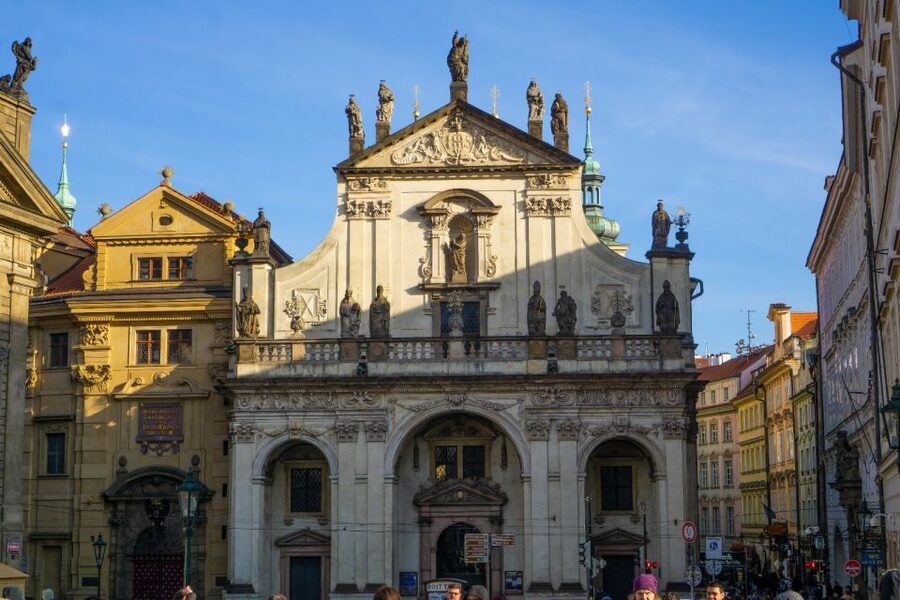
The Royal Czech Orchestra performs with three named Prague soloists: Eva Müllerová, Robert Hugo, and Viktor Mazáček. The advertised presentation also includes a vocalist and organ performance, so you should expect more than a string ensemble playing Vivaldi from beginning to end.
The vocal works change the pace. Handel’s aria and Schubert’s Ave Maria bring a human voice into the church’s long acoustic. The soprano parts are among the evening’s most memorable moments, particularly when the voice rises above the strings and hangs in the air for a beat.
The organ is the other major feature. Bach’s Toccata and Fugue in D minor is a natural choice for St. Salvator, and the instrument’s full sound can be startlingly powerful. If you enjoy the physical impact of music, sit where you can see toward the organ area, though your exact view will depend on the assigned seat.
The performance style favors accessibility. You will hear polished versions of famous pieces rather than a scholarly lecture about them. There is no need to know the difference between Baroque and Romantic music before you arrive. The printed program helps you follow the order of the evening, but the music does most of the explaining.
Seating, ticket exchange, and the best time to arrive
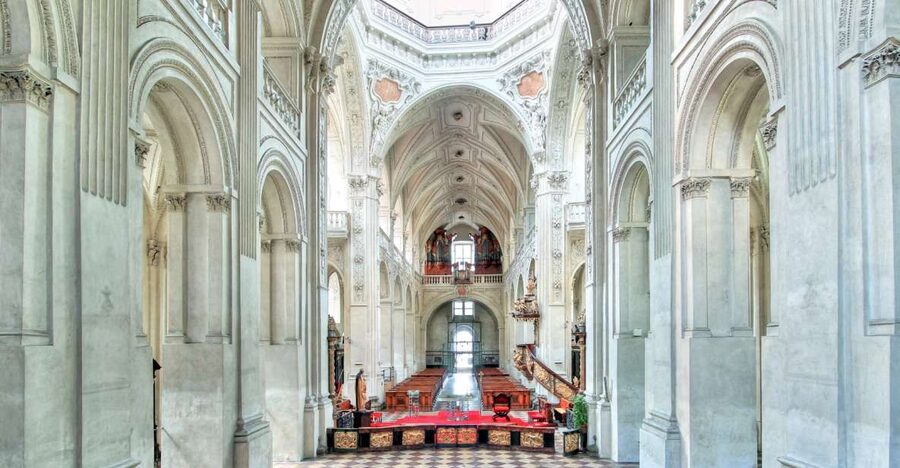
Your online booking does not take you straight into the church. You first need to exchange your ticket at the box office, located a few steps to the right of the entrance. Arrive about 30 minutes before the concert so you have time for this step and for seat assignment.
Doors open 15 minutes before the performance. This timing matters because seating is arranged by section, such as front, middle, or back, rather than by a fully fixed seat selected in advance. Arriving early can improve your position within the section you purchased.
If you want a close view of the musicians and vocalist, choose the front section if available. Then arrive early. Several audience members found that an early arrival helped them secure a better place within their paid section, while front-row seating can come with a tradeoff: a performer or music stand may partly block your view from certain seats.
The center aisle is often a useful target. Seats closer to the middle usually give you a more direct view than seats far to one side. A side seat can still sound excellent, but your view of the ensemble may be limited by the angle.
Back seating is not a poor choice here. The church acoustics carry the music across the room, and the larger view lets you take in more of the interior. If sound matters more than watching individual bows and fingers, the back can offer good value.
Do not expect theater-style chairs. The seating is church pews, and some positions may become uncomfortable during the second half of the hour. One benefit is that the concert ends before the discomfort becomes unbearable. There are also no toilets in the church, so plan ahead before you take your seat.
A different way to spend an afternoon here:
- Prague: Castle Tour with Local Guide and Entry Ticket
★ 4.6 · 10,422 reviews - Prague Castle 2.5-Hour Tour Including Admission Ticket
★ 4.7 · 8,927 reviews - Prague: Oldtown, Medieval Underground & Dungeon History Tour
★ 4.2 · 8,244 reviews - Prague: Vltava River Night Cruise with Buffet
★ 4.3 · 7,338 reviews
What the one-hour schedule feels like
The compact format is one of the smartest features of this experience. You can place it before dinner, after an afternoon of sightseeing, or between two evening plans without giving up an entire night.
The program moves through several moods. Vivaldi gives the concert a lively opening or centerpiece, depending on the evening’s exact arrangement. Dvořák and Smetana connect the program to Czech music. Handel and Schubert provide vocal contrast. Bach’s organ work supplies the biggest dramatic jolt, while Beethoven adds a bold orchestral finish or later highlight.
The exact running order can vary, but the printed program shows what is planned on your date. The concert does not include a long intermission, so you should use the restroom before entering and settle in with your coat and belongings.
For a first classical concert, one hour is enough time to feel that you have had a real cultural evening without needing to sit through a demanding three-hour production. For experienced concertgoers, it may feel short. That is the fair trade: accessibility and convenience instead of depth.
The cold, the pews, and other practical realities
Churches are beautiful concert venues, but they are not always comfortable ones. St. Salvator can feel cold, particularly in late autumn and winter. Bring a warm layer even if the weather outside seems manageable.
Some performances provide warming pads on the benches, which can help on cold days, but you should still dress for the building. Keeping your coat on is perfectly reasonable. There is no official dress code, so you do not need formal evening clothes.
The pews are the other concern. After roughly 30 minutes, the hard seating may distract you, especially if you have back or hip problems. A small cushion is not listed as part of the service, so plan around the seating rather than assuming a padded concert chair.
Audience behavior can affect the experience. Filming, talking, or moving around in front rows can block a view, so a seat slightly farther back may sometimes provide a calmer line of sight. The music itself is live and acoustic, which means the room depends on quiet listening.
Unaccompanied minors are not allowed. The experience is best suited to adults, older children accompanied by an adult, couples, solo visitors, and anyone who wants a short evening performance without the formality of an opera house.
Is $34 a fair price?
At $34 per person, this concert sits in the reasonable range for a central Prague evening activity. You are paying for a live ensemble, named soloists, a printed program, and entry to a major historic church for a scheduled performance.
The value improves if you already plan to be in central Prague. There is no separate sightseeing tour, meal, or transportation included, but the concert combines music and architecture in one stop. You spend an hour inside a landmark rather than in a generic venue.
The price is less attractive if you expect a full performance of Vivaldi’s four concertos or a complete Beethoven symphony. This is a selection of shorter works and excerpts, with Spring and Winter rather than the entire Four Seasons. Think of it as a polished introduction to several classical favorites.
The one-hour duration also helps the value calculation. You can add it to a busy sightseeing day without paying for a longer event you may not have time to enjoy. If you are choosing between several classical concerts in Prague, compare the exact program, seating section, and venue before booking.
Free cancellation up to 24 hours before the start time and a reserve-now, pay-later option make the booking less rigid. Check the available starting times for your date, since the schedule is not stated as one fixed daily departure.
Who will enjoy this Prague concert most?
I would recommend it to you if you meet one or more of these descriptions:
- You want to hear live classical music without spending an entire evening at an opera or symphony.
- You recognize famous pieces and prefer a varied program.
- You are visiting Prague for the first time and want an atmospheric indoor activity in a central landmark.
- You are curious about classical music but do not want a highly formal concert experience.
- You enjoy organ music, especially Bach, and want to hear the instrument in a large church.
- You are visiting around Christmas and like seasonal carols alongside orchestral music.
I would be more cautious if you need padded seating, guaranteed temperature control, restroom access during the event, or a full-length treatment of one major work. The concert is designed as a compact selection, not an exhaustive musical program.
Should you book St. Salvator Church?
Book it if you want familiar classical music in a memorable Prague setting, especially if you have only an hour free. The strongest reasons are the church acoustics, the organ, the mix of orchestra and vocalist, and the convenient length.
Choose a front or central section if seeing the performers matters to you, and arrive 30 minutes early for the ticket exchange and seat assignment. Bring a coat, use the restroom before entering, and expect wooden pews rather than concert-hall comfort.
For $34, this is a sensible cultural addition to a Prague itinerary. It will not replace a full symphony for serious classical listeners, but it offers a well-shaped hour of Vivaldi, Bach, Czech music, famous vocal works, and seasonal pieces in a setting you will remember after you step back into the city.
FAQ
Where does the concert take place?
The concert takes place at St. Salvator Church, the main church of the Klementinum complex in Prague.
How long does the concert last?
The concert lasts one hour.
Which Vivaldi works are performed?
The program includes Spring and Winter from Vivaldi’s The Four Seasons. It does not list all four concertos.
Who performs at the concert?
The Royal Czech Orchestra performs with Prague soloists Eva Müllerová, Robert Hugo, and Viktor Mazáček. The program also includes vocal and organ performances.
What other music is included?
The program includes works by Dvořák, Handel, Bach, Schubert, Smetana, Beethoven, and F. X. Gruber, along with Czech and European Christmas carols.
How early should I arrive?
Arrive 30 minutes before the start time to exchange your ticket at the box office and receive your seat assignment. Doors open 15 minutes before the concert.
Is there a dress code?
There is no official dress code. Warm clothing is recommended because the church can be cold, and seating is on wooden church pews.
Recently added around Prague
- St Vitus Cathedral and Prague Castle Private Walking Tour★ 4.0 · 3 reviews
- Prague: Old Town and Jewish Quarter Small-Group Tour★ 5.0 · 3 reviews
- Royal Splendor Unveiled Private Prague Castle Interior Tour★ 3.5 · 3 reviews
- Prague Castle Interiors & Changing of the Guard-Small group★ 5.0 · 3 reviews
- Prague: Bohemian & Saxon Switzerland National Park Day Trip★ 5.0 · 3 reviews
- Running Tour of Prague. Your private 6-9K intro★ 5.0 · 3 reviews
- PRAGUE AIRSOFT SHOOTING GAMES★ 4.7 · 3 reviews
- Private walking tour and Boat cruise Best of Prague★ 5.0 · 3 reviews
Prague Tours, compared.

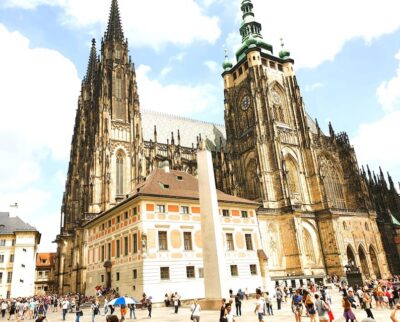
Skip-the-line Castle Ticket and Optional AudioGuide
Read our review →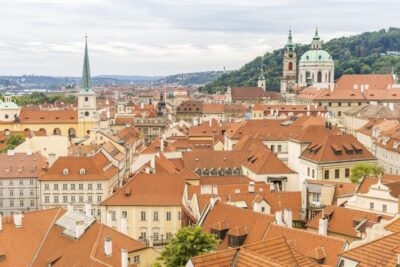
Castle Tour with Local Guide and Entry Ticket
Read our review →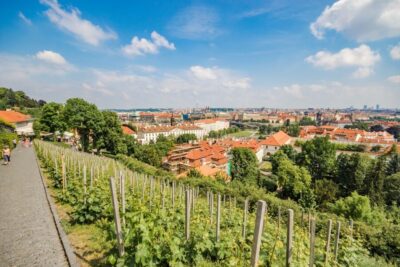
Prague Castle 2.5-Hour Tour Including Admission Ticket
Read our review →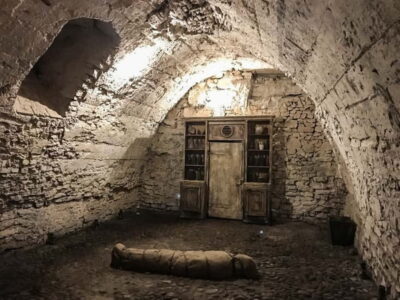
Oldtown, Medieval Underground & Dungeon History Tour
Read our review →