Reviewed · PRAGUE TOURS
Prague: Communists and World War II Tour
Prague’s 20th-century story is written across ordinary streets: Národní Street, where the Velvet Revolution gathered force, and Wenceslas Square, the city’s great stage for protest, occupation, and political change. This two-hour walk links World War I, the creation of Czechoslovakia, Nazi rule, Soviet control, and the fall of Communism into one clear story.
I like the way the tour connects major events to real places, rather than treating history as a list of dates. I also like the chance to ask questions about daily life under Communism, something guides such as Martin, Barbara, Otakar, and Inna have handled with particular care. The main drawback is that much of the value comes from listening, not looking, so this suits history-minded adults more than children expecting a sightseeing show.
Key points to know before you book
- A street-level history lesson: Follow the story from Charles Bridge to Národní, Wenceslas Square, and Republic Square.
- The 30-meter Stalin statue: Learn about the enormous monument that once symbolized Soviet power in Prague.
- A clear 20th-century timeline: Connect World War I, the creation of Czechoslovakia, Nazi occupation, Communism, and the Velvet Revolution.
- Strong guide-led discussion: Guides including Barbara, Martin, Otakar, Inna, and Dana have been praised for clear explanations and thoughtful answers.
- Museum option available: Add entry to the Museum of Communism, or use the included 10 percent discount if you choose the walking tour alone.
- Good value at $29: Two hours with a local guide costs less than many large sightseeing tours, especially if modern Czech history is new to you.
Why Prague’s modern past is worth a walking tour
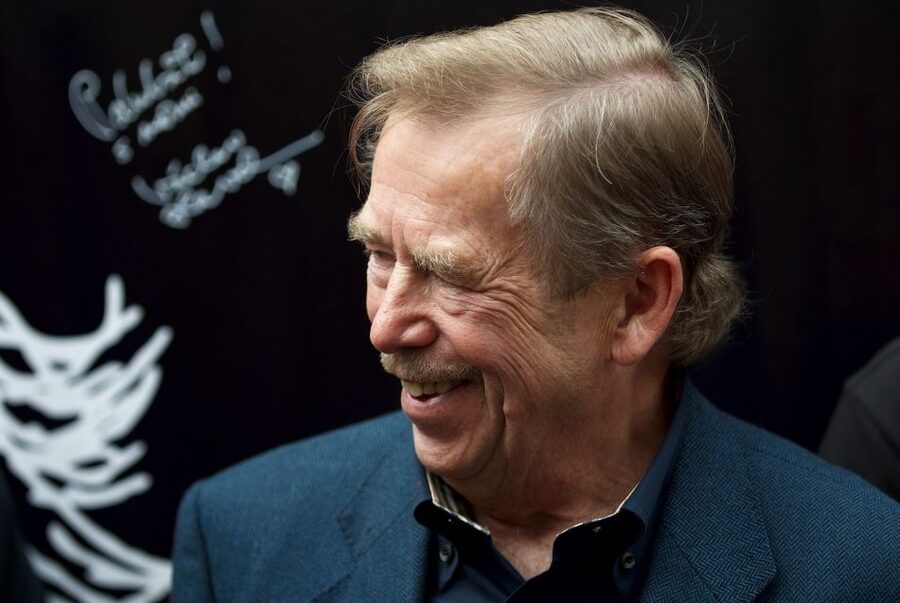
Many first visits to Prague focus on medieval lanes, Baroque churches, and the castle. That is understandable, but it leaves out the forces that shaped the city you see today. The country was created after World War I, occupied by Nazi Germany, brought under Communist rule after World War II, and later changed again through the Velvet Revolution.
This tour gives you a way to place those changes on the map. You hear about political decisions, but you also hear how those decisions affected books, universities, public squares, and ordinary life. That makes the subject easier to grasp than a museum display alone.
The emphasis is on the dark years leading to and during World War II, followed by the Cold War and the Iron Curtain. You also get the events that led to the creation of Czechoslovakia, so the tour does not begin in the middle of the story.
The guides are central to the experience. Barbara has been described as engaging and sharp, while Martin has led discussions about life during and after Communist rule. Otakar has handled detailed questions well, and Inna has been especially effective when explaining the effects of World War II and Communism on Czechoslovakia and the Czech Republic.
That range matters. Political history can become dry when it is reduced to government changes. A good guide helps you see how power affected daily choices, public speech, education, and memory. This experience seems strongest when you use the walk as a conversation, not just a transfer from one stop to the next.
A few more Prague half-days to weigh up
- Prague: 50-Minute Sightseeing Evening Cruise
★ 4.2 · 33,780 reviews - Prague: Medieval Dinner with Unlimited Drinks
★ 4.4 · 19,847 reviews - Prague: Skip-the-line Castle Ticket and Optional AudioGuide
★ 4.3 · 11,121 reviews
Starting beside Charles Bridge at Křižovnické Square
The meeting point is in front of Charles Bridge at Křižovnické Square, next to the statue of Charles IV. Your guide holds an orange umbrella, and Staroměstská is the closest tram or subway station.
Allow a few extra minutes to find the group. Several guides may use orange umbrellas at the same meeting area, which can make the correct guide harder to spot. Look for the person leading the Communists and World War II tour rather than approaching the first orange umbrella you see.
Starting beside Charles Bridge is useful because it places you in one of Prague’s most famous public spaces before the tour turns toward the modern city. The surrounding setting is old, but the discussion quickly moves into the political forces that shaped the Czech state in the last century.
Wear comfortable shoes. This is a two-hour walking tour, and the value comes from moving through the city rather than sitting in one place.
From World War I to the creation of Czechoslovakia
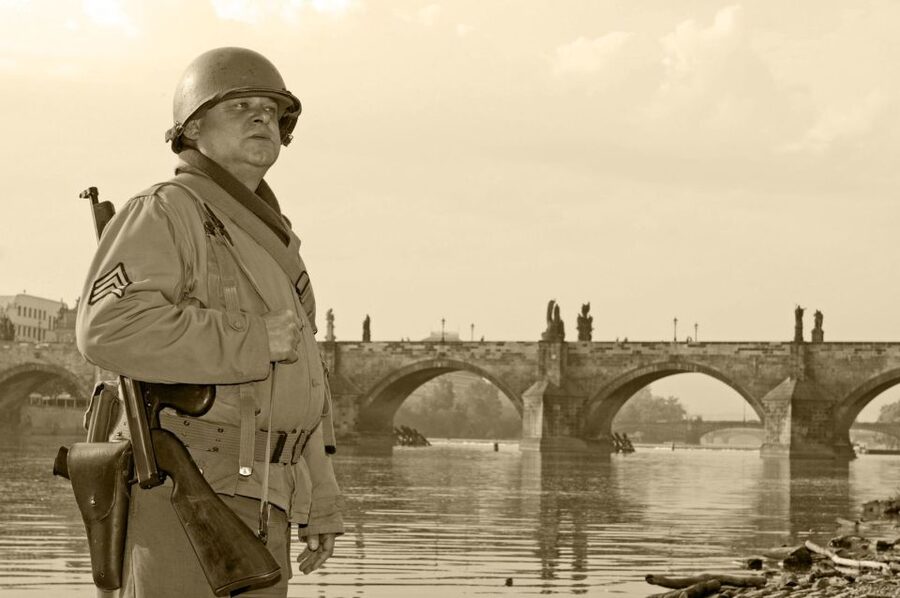
One of the tour’s most useful features is its decision to begin before World War II. You learn how World War I helped bring about the establishment of Czechoslovakia, giving you the political background needed to understand the country that later faced Nazi pressure and Communist control.
That opening also helps separate several ideas that are easy to blur together. The creation of Czechoslovakia, the breakup of the country before World War II, Nazi occupation, and the post-war Communist takeover were not one single event. They were different turns in a long and painful political story.
Your guide explains these changes while you walk through central Prague. This is a good format for visitors who want the basic sequence without committing to a full-day history program. You get a focused account of the last century, with enough local detail to make the larger European story easier to follow.
The tour does not appear to rely on a long list of surviving wartime buildings. Instead, the guide uses streets and public spaces as reference points. That means you should not book it expecting a parade of dramatic ruins or preserved Nazi sites. Book it for the explanation of what happened in places that may look ordinary today.
Národní Street and the city under Nazi rule
The route continues to Národní, one of the key central streets in the modern history of Prague. Here, the story turns to the streets once controlled by the Nazi Gestapo and to the events that shaped Czech life during World War II.
The tour covers the road to war as well as the occupation itself. You hear about how World War I helped create conditions for later conflict, then follow the consequences for Czechoslovakia. The guide also discusses some of the most dramatic figures and episodes connected with the period, including Reinhard Heydrich, known as the butcher of Prague.
This part is likely to be strongest with a guide who can explain the human cost alongside the political facts. The supplied experience does not promise entry to wartime buildings, memorials, or underground sites, so expect a spoken account while walking through the city.
Národní also prepares you for the later story. The same central streets that carried Nazi power would later become places of Communist control and popular protest. Prague’s political history is not tucked away in one district. It runs through the heart of the city.
A different way to spend an afternoon here:
- Prague: Castle Tour with Local Guide and Entry Ticket
★ 4.6 · 10,422 reviews - Prague Castle 2.5-Hour Tour Including Admission Ticket
★ 4.7 · 8,927 reviews - Prague: Oldtown, Medieval Underground & Dungeon History Tour
★ 4.2 · 8,244 reviews - Prague: Vltava River Night Cruise with Buffet
★ 4.3 · 7,338 reviews
Wenceslas Square, protest, and public memory
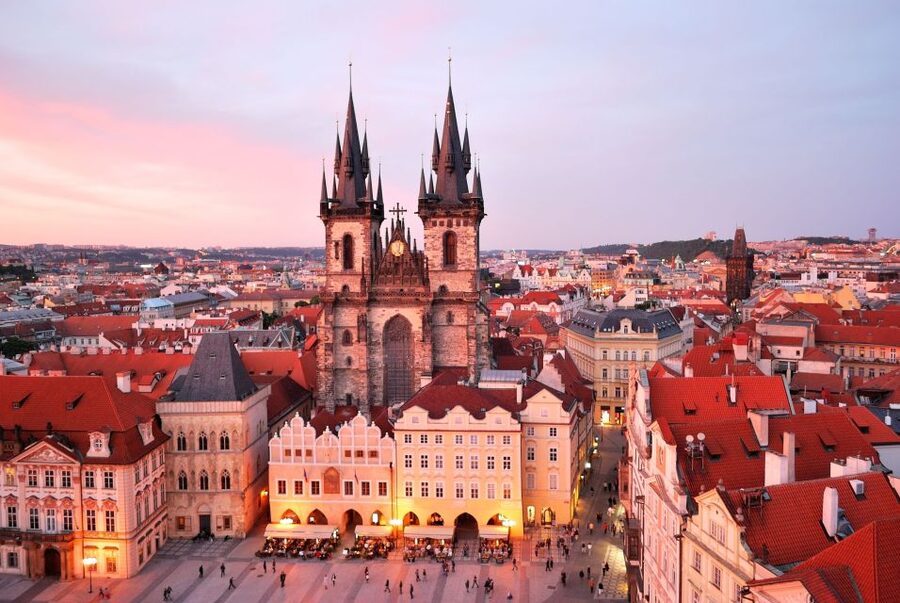
Wenceslas Square is one of the most important stops because it has served as a gathering place during several major political moments. Here, the guide connects the post-war Communist Revolution with later resistance to Soviet control and the Velvet Revolution.
You learn why student Jan Palach set himself on fire, an act tied to the trauma of the Russian Occupation. The subject is difficult, but it is essential for understanding the depth of public anger and despair after the crushing of reform.
The square also helps you see how public space works in political history. Large demonstrations need a central setting, and Wenceslas Square has repeatedly provided one. Your guide explains how events unfolded and why the square became such a powerful symbol.
This is also where the tour can move beyond the familiar Western account of the Cold War. Instead of treating Communism as a distant system, you hear about the experience of people living under it. Discussions may include censorship, black-listed books, and the way public life changed after the Russian Occupation.
One guide has also discussed Milada Horáková, whose opposition to Communism and eventual execution made her an enduring symbol of resistance. Details such as this give the tour a stronger human focus than a simple account of party leaders and official dates.
The Stalin monument and the weight of Soviet power
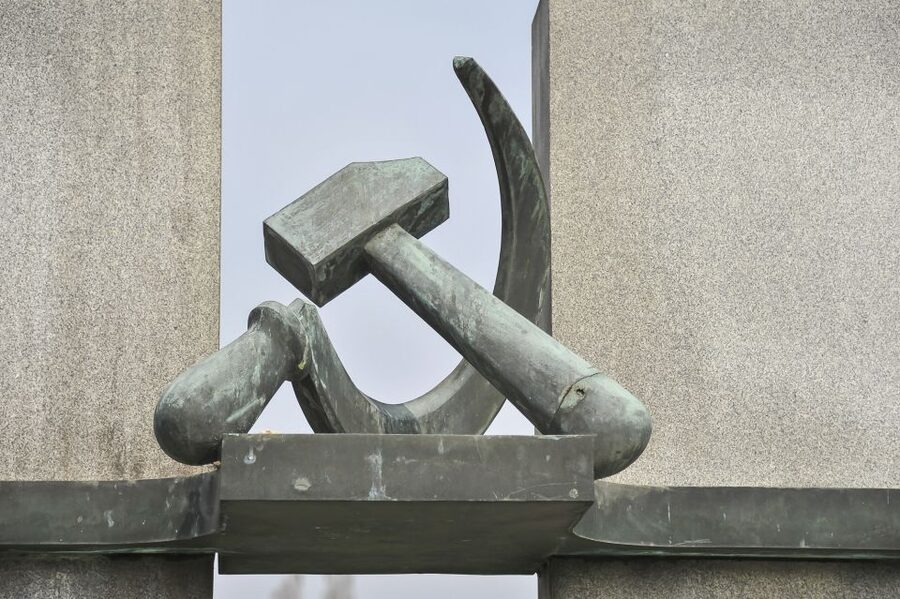
A striking part of the experience is the discussion of Prague’s former 30-meter-tall statue of Stalin. The monument represented the close relationship between Czechoslovakia and the Soviet Union, and its scale made the message impossible to miss.
You should think of this stop less as a conventional monument visit and more as a lesson in political symbolism. A statue of that size tells you how public space was used to display authority. The guide explains what the monument meant and how it fitted into the Communist period.
The supplied route includes Republic Square, and the tour’s wider account includes the Stalin statue as one of its major historical points. The exact order of discussion may vary with the guide and the day, so focus on the story rather than expecting every stop to work like a fixed museum exhibit.
This section is especially useful if you know little about the early Communist years. It shows that the post-war period was not simply a continuation of wartime hardship. It brought a new political system, new limits on speech, and a new relationship with the Soviet Union.
From black-listed books to the Velvet Revolution
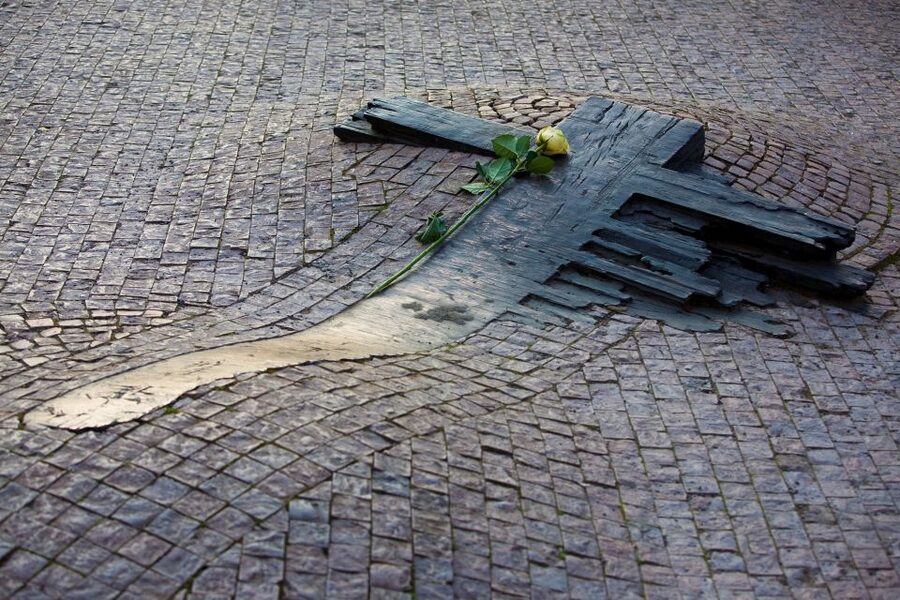
The final part of the story follows the pressure that built under Communist rule and the changes that finally came in 1989. The guide discusses black-listed books and their destruction, a direct example of how censorship reached into private thought and culture.
You also learn what led to the Velvet Revolution. The name suggests a gentle change, but the story makes clear that it came after years of control, protest, fear, and public courage. Národní and Wenceslas Square become more meaningful once you understand the people who used them to demand change.
The tour finishes in Prague after passing through Republic Square. It does not claim to explain every part of Czech history, but it gives you a working framework for the 20th century. That framework is useful for the rest of your stay, especially when you encounter memorials, political symbols, or references to the occupation and Communist period.
If you want an even fuller introduction, you can add the Museum of Communism entry ticket when booking. If you take the walking tour without museum entry, a 10 percent discount coupon is included. One practical note: a film connected with the museum option may feel repetitive after a detailed guide explanation. I would treat the museum as a useful follow-up, not a required part of the walk.
What the $29 price gets you
At $29 per person, this is a fair price for a focused two-hour history tour. You are paying for a local guide who can arrange a complicated century into a clear sequence, point out locations you might otherwise pass without noticing, and answer questions about life under Communism and the Czech Republic today.
The value is strongest if you are new to Prague’s modern history. A self-guided walk can take you to Wenceslas Square and Národní, but it may not explain how World War I, Nazi occupation, Soviet control, Jan Palach, and the Velvet Revolution fit together.
The value is less clear if you want a broad sightseeing tour with interiors, transport, or many major landmarks. This experience is mainly a walking and discussion program. Some of the locations are important because of what happened there, not because they contain a visible attraction.
You can also reserve now and pay later, which helps if your Prague schedule is still changing. Cancellation is free up to 24 hours before the start time for a full refund.
Who will enjoy this tour most
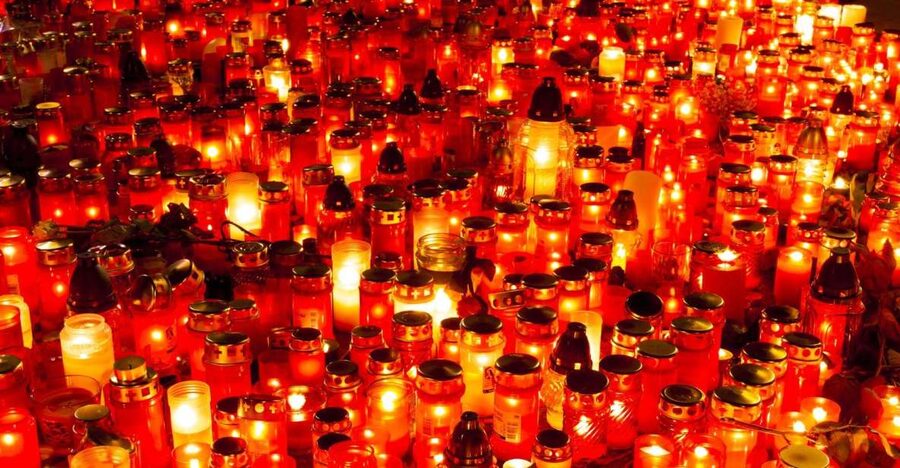
I would choose this tour if you want political history explained in plain language and prefer seeing the city while you learn. It is a good fit for adults, students, and anyone who wants to understand Prague beyond its medieval center.
It also suits visitors who like to ask questions. Martin, Barbara, Otakar, Inna, Dana, and other guides have been praised for handling detailed discussions, including what Communist rule meant in practice and how its effects remain part of Czech public life.
Families should judge the subject and format carefully. One parent specifically left the children behind because the experience was more about learning than seeing things. That is sensible advice. Older teenagers with an interest in history may enjoy it, but younger children could find two hours of political explanation demanding.
Choose the English, German, or Russian departure that fits your plans. The experience is offered with a live guide in those languages, but you should check availability for your preferred start time.
Should you book the Prague Communists and World War II Tour?
Book it if you want a compact, serious introduction to Prague’s modern political story. The best reason to go is not one isolated sight. It is the way the guide links places such as Národní and Wenceslas Square to the forces that changed Czechoslovakia.
I especially recommend it early in your stay. Once you know the basic story, later visits to the Museum of Communism and central Prague will carry more meaning. At $29, the tour offers good value for a two-hour lesson with room for questions.
Skip it if you want grand interiors, a fast photo tour, or entertainment aimed at children. The city provides plenty of those elsewhere. This walk is for seeing Prague through the choices, fears, and courage that shaped its recent past.
FAQ
Where does the tour begin?
It begins in front of Charles Bridge at Křižovnické Square, next to the statue of Charles IV. The closest tram or subway station is Staroměstská.
How long does the tour last?
The walking tour lasts two hours.
Where does the tour finish?
The tour finishes in Prague after visiting areas that include Národní, New Town, Wenceslas Square, and Republic Square.
What languages are available?
Live guided tours are available in English, German, and Russian.
Is museum entry included?
Museum of Communism entry is included only if you select that option. Otherwise, you receive a 10 percent discount coupon for the museum.
What should I bring?
Bring comfortable shoes for the two-hour walk.
Can I cancel or pay later?
You can cancel up to 24 hours in advance for a full refund. The reserve-now-and-pay-later option lets you hold a place without paying at the time of booking.
Recently added around Prague
- St Vitus Cathedral and Prague Castle Private Walking Tour★ 4.0 · 3 reviews
- Prague: Old Town and Jewish Quarter Small-Group Tour★ 5.0 · 3 reviews
- Royal Splendor Unveiled Private Prague Castle Interior Tour★ 3.5 · 3 reviews
- Prague Castle Interiors & Changing of the Guard-Small group★ 5.0 · 3 reviews
- Prague: Bohemian & Saxon Switzerland National Park Day Trip★ 5.0 · 3 reviews
- Running Tour of Prague. Your private 6-9K intro★ 5.0 · 3 reviews
- PRAGUE AIRSOFT SHOOTING GAMES★ 4.7 · 3 reviews
- Private walking tour and Boat cruise Best of Prague★ 5.0 · 3 reviews
Prague Tours, compared.
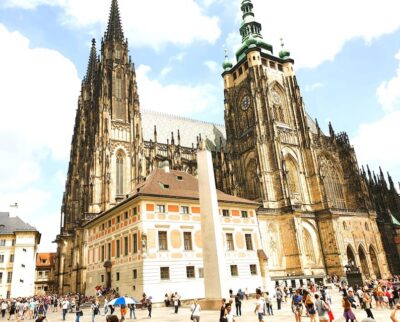
Skip-the-line Castle Ticket and Optional AudioGuide
Read our review →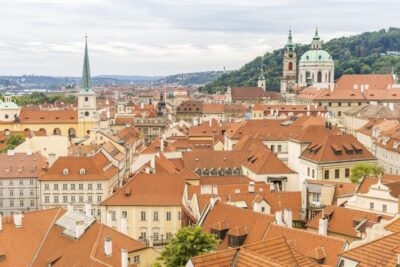
Castle Tour with Local Guide and Entry Ticket
Read our review →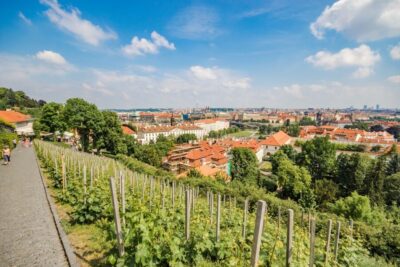
Prague Castle 2.5-Hour Tour Including Admission Ticket
Read our review →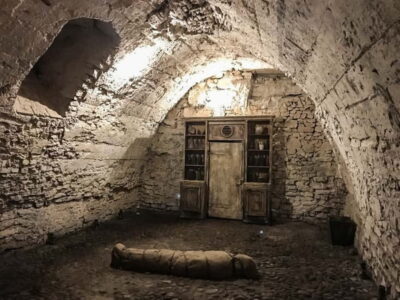
Oldtown, Medieval Underground & Dungeon History Tour
Read our review →