
Reviewed · MUSEUMS
Prague: Museum of Torture Entry Ticket
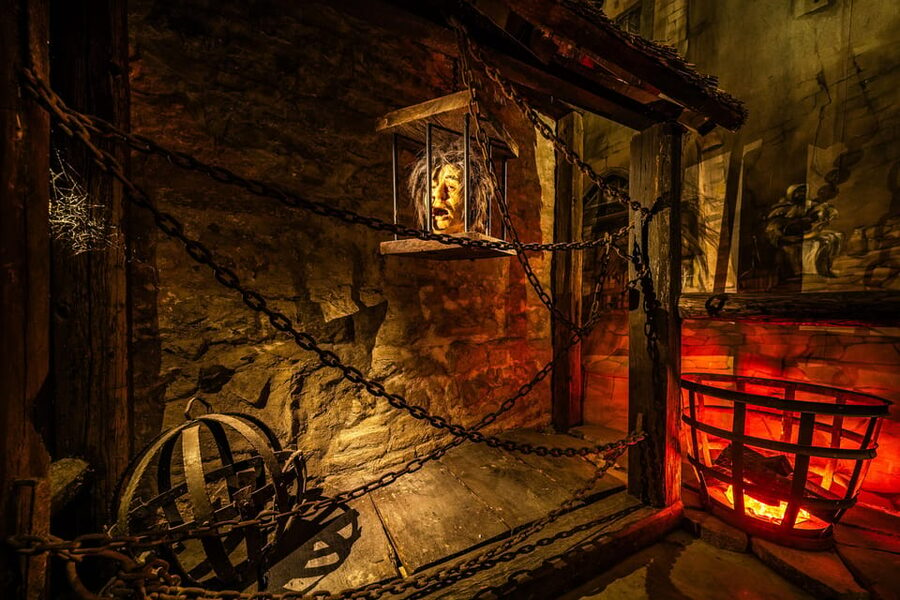
Prague’s Museum of Torture takes you below Celetná Street into reconstructed cellar rooms filled with about 100 torture-instrument replicas and dozens of old engravings. The iron maiden, Spanish boot, rack, and pear are the grisly stars, but the legal documents and explanations matter just as much.
I like the way the museum connects objects to the laws and court practices that allowed torture to be used. I also like the compact central location and low $9 price. The main drawback is the heavy atmosphere: graphic displays, wax figures, sound effects, and a reported mold odor in parts of the cellar may be too much for sensitive visitors.
Key points to know before you go
- About 100 exhibits fill 400 square meters: Expect a compact underground museum rather than a large, daylong institution.
- The focus is law as well as machinery: Texts and documents explain how torture entered judicial procedures and how confessions were sought.
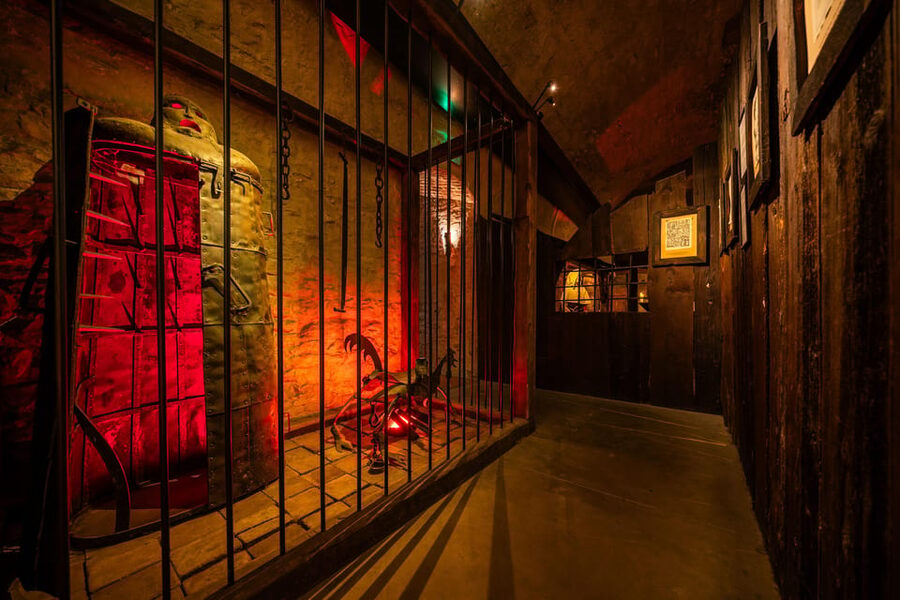
- The best-known devices are replicas: You will see detailed reconstructions of the iron maiden, Spanish boot, rack, pear, and other instruments.
- Period engravings add context: The old images show how torture was represented and understood in earlier centuries.
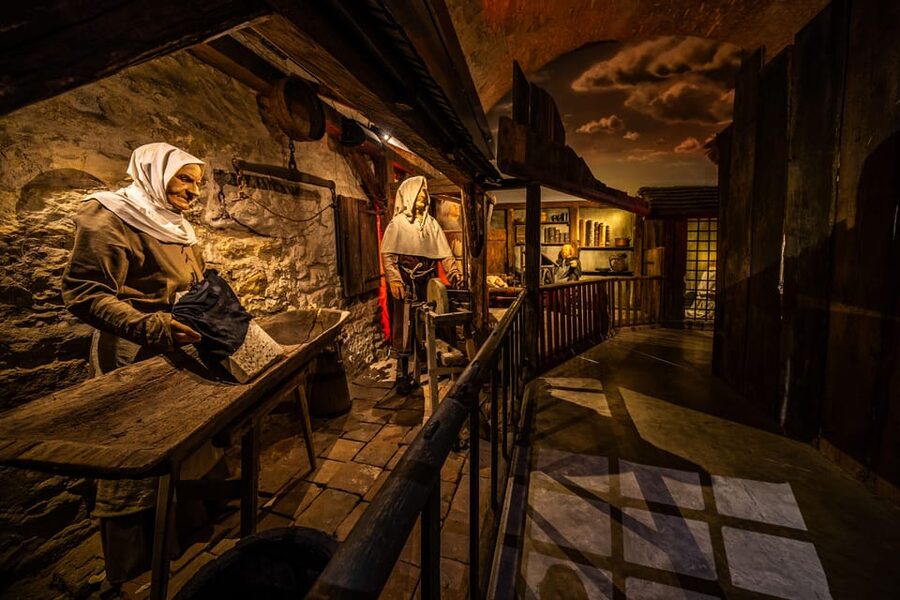
- Sound and audiovisual effects shape the visit: Wax figures, noises, and two special visual effects create a theatrical cellar mood.
- Graphic content limits the audience: The museum is not recommended for young children or sensitive individuals.
Entering the cellar beneath Celetná Street
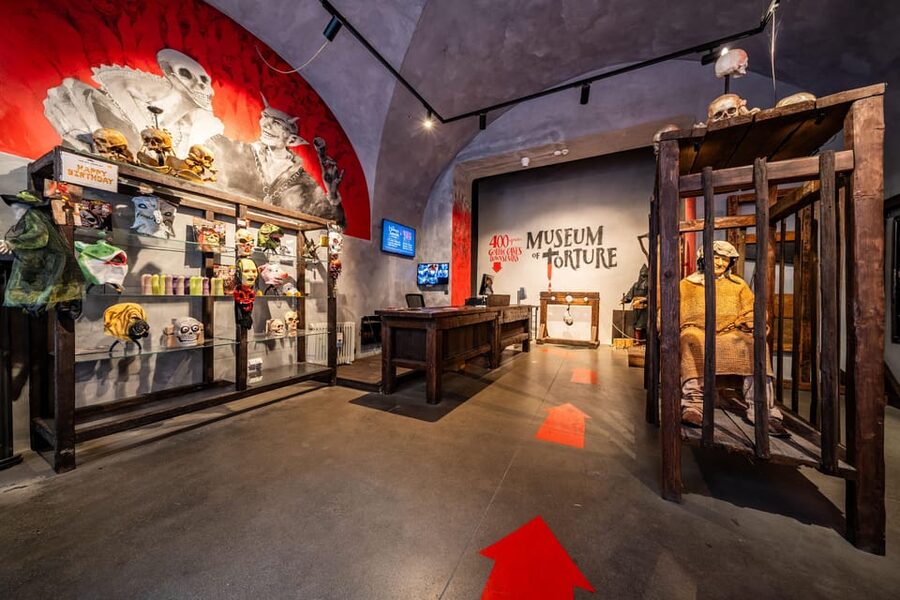
The museum is in central Prague, on Celetná Street, one of the city’s most convenient historic streets. That location makes it easy to fit into a walk through the old center, especially if you are already near Prague’s main square or exploring the lanes around the Old Town.
You enter reconstructed cellar spaces rather than a bright modern gallery. That matters. The low, enclosed setting gives the exhibition a strong sense of place, even though many of the instruments are replicas rather than original working devices.
I would not treat this as a museum where you simply stroll past glass cases and read labels. The setting is part of the show. Dark walls, wax figures in staged scenes, sound effects, and audiovisual moments are designed to make the visit feel tense.
That theatrical approach will work well for you if you want atmosphere. If you prefer a quiet, academic presentation, it may feel overstated. The museum is trying to make a difficult subject immediate, not neutral.
More Museums in Prague:
- Prague: Museum of Fantastic Illusions Entry Ticket
★ 4.3 · 4,337 reviews - IAM Illusion Art Museum Entry Ticket
★ 4.2 · 1,664 reviews - Prague: Museum of Senses Admission Ticket
★ 4.0 · 1,445 reviews
What the 400-square-meter exhibition actually offers
About 100 exhibits and dozens of period engravings are arranged across roughly 400 square meters. In practical terms, this is a manageable museum that you can add to a larger day in Prague, not an attraction that needs an entire day by itself.
The displays cover instruments used to extract confessions or punish offenders. The collection includes familiar names such as the iron maiden, Spanish boot, rack, and pear, along with other detailed replicas.
The value is not simply seeing a strange metal object. The written material explains how each device was used and places it within the legal systems of its time. That gives you a better sense of the museum’s purpose: it is about the machinery of punishment, but also about the institutions that approved or tolerated it.
The distinction between original objects and replicas is important. You should come expecting detailed reconstructions and historical presentation, not a collection of untouched medieval equipment. For many people, the replicas are enough to show the basic design and intended use. For others, the lack of original artifacts may reduce the appeal.
The period engravings help bridge that gap. They show how torture scenes were pictured and circulated in earlier centuries. They also add a visual record to the three-dimensional displays, giving you a way to compare the instruments with the way people once illustrated them.
The legal story behind the instruments
The strongest part of the museum is its attention to torture law. The exhibition explains how torture was applied over the centuries and how it became part of judicial processes.
That context makes the visit more useful than a simple parade of frightening objects. You are encouraged to think about who had the authority to order torture, what officials hoped to obtain, and how confessions were treated in court.
The museum also points to the consequences for society. Torture was not just a private act of cruelty in a cell. It was tied to rules, courts, punishments, and ideas about guilt. The documents and text panels help show how legal systems could turn violence into an official procedure.
You should allow time to read. The instruments are visually strong, but the legal explanations are where the subject gains weight. If you rush from one object to the next, you may remember the shapes while missing the central point about law and power.
English information is available, and the host or greeter is listed as English-speaking. The supplied details do not identify a specific guide by name, and the ticket describes entry rather than a named guided tour. Plan on reading and moving through the exhibition at your own pace rather than expecting a scheduled lecture.
The iron maiden, Spanish boot, rack, and pear
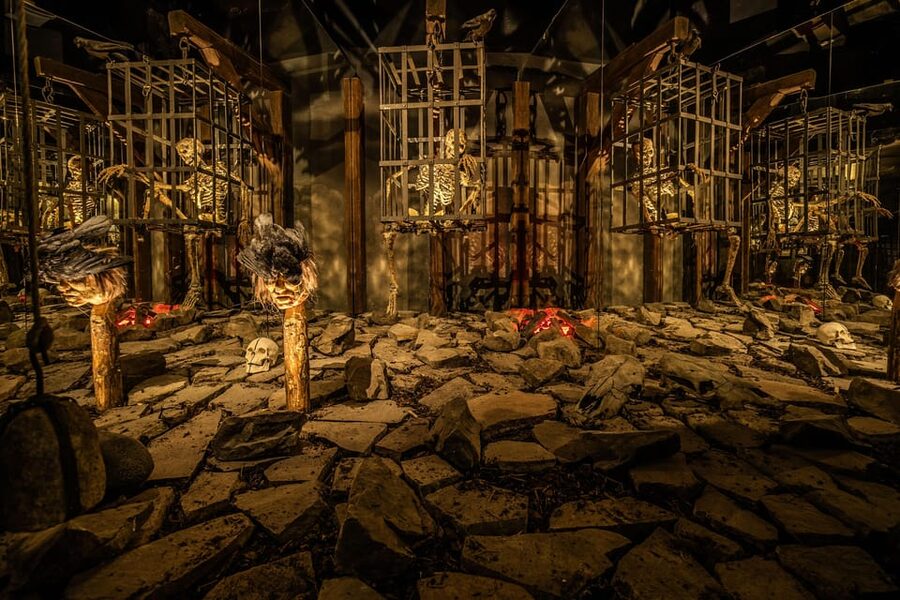
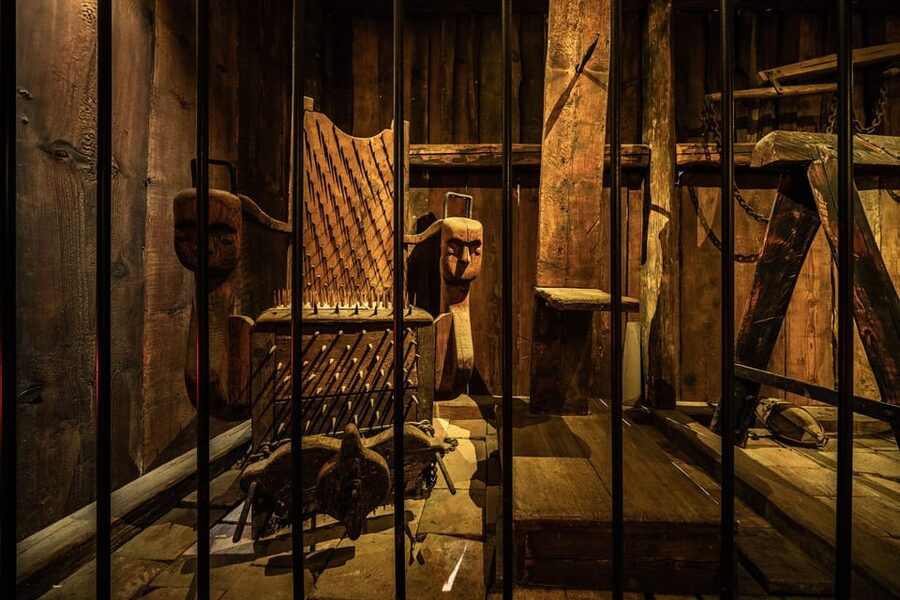
The familiar devices will likely draw your attention first. The iron maiden is instantly recognizable in popular culture, while the rack communicates its purpose through a simple, unsettling design. The Spanish boot and pear show how torture could target different parts of the body in different ways.
The museum’s replicas are described as authentic and detailed, meaning they aim to represent historical forms closely. You should not interpret authentic here as proof that every item is an original artifact. The attraction is the combination of shape, explanation, and staged presentation.
I find this kind of display useful for understanding how torture relied on both physical pain and fear. An instrument did not need to be used for its presence to influence an accused person. The exhibition’s focus on extracting confessions brings that point forward.
At the same time, the museum does not sound like the right place for anyone seeking a light historical stop. The subject is direct. Some displays depict bodily harm, and the staging is meant to unsettle rather than soften the material.
A few more Prague half-days to weigh up
- Prague: 50-Minute Sightseeing Evening Cruise
★ 4.2 · 33,780 reviews - Prague: Medieval Dinner with Unlimited Drinks
★ 4.4 · 19,847 reviews - Prague: Skip-the-line Castle Ticket and Optional AudioGuide
★ 4.3 · 11,121 reviews - Prague: Castle Tour with Local Guide and Entry Ticket
★ 4.6 · 10,422 reviews
Wax figures, sound effects, and the theatrical mood
Wax figures are placed in reconstructed settings around the cellar. Two special audiovisual effects and added sounds intensify the mood.
For you, this means the visit is partly a museum tour and partly a staged attraction. The effects can help you picture how the rooms and instruments might have been used. They can also make the experience feel more dramatic than the written history alone would.
I would think carefully about your own tolerance before booking. The museum is specifically not recommended for sensitive individuals or young children because of its graphic content. The sound effects may also make the visit more intense than a collection of static objects suggests.
This theatrical style has a clear benefit: it gives the exhibition emotional force. You are less likely to treat the subject as a dry list of devices. The tradeoff is that the atmosphere may sometimes compete with the historical material.
A recent account also raised a separate concern about the physical condition of part of the cellar, describing a strong black mold odor, dark walls with peeling surfaces, and visible mold. I cannot say how widespread or current that issue is, but it is worth keeping in mind if you are sensitive to smells, damp rooms, or enclosed spaces.
How much time should you allow?
The ticket is valid for one day, but the information provided does not give a fixed visit length. Since the exhibition covers 400 square meters, I would plan it as a short central-Prague stop rather than a full-day program.
Your pace will depend on how much you read and how long you spend with the engravings and legal explanations. A quick walk through the instruments will take less time than a careful visit focused on the history of judicial torture.
The one-day validity gives you useful flexibility. You can fit the museum around other plans in the Old Town instead of building your entire schedule around a timed tour. Check the available starting times when booking, since the ticket information says to check availability.
There is no transportation component. You make your own way to the central location on Celetná Street. That is helpful for independent sightseeing, but you should not expect a coach transfer, city tour, or extended orientation from the ticket.
Is $9 a fair price?
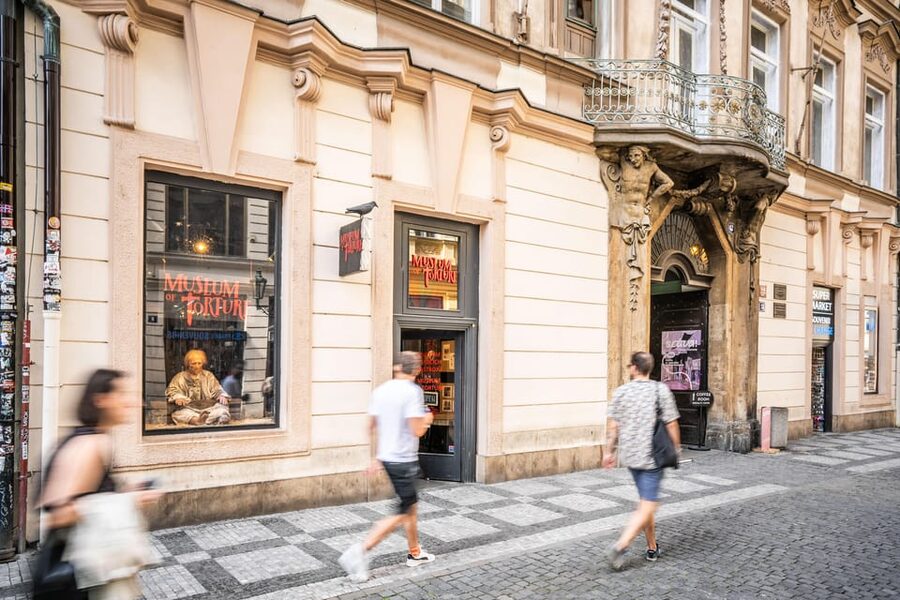
At $9 per person, the ticket is inexpensive compared with many major Prague attractions. The price makes sense if you are curious about unusual museums, have an interest in legal history, or want a short indoor stop in the city center.
The value depends on what you expect. You are paying for access to a compact exhibition with roughly 100 displays, period engravings, explanatory material, wax figures, and effects. You are not paying for a long guided program, a large original collection, or a broad survey of Prague history.
I would call it a reasonable add-on for the right person. If you want a dramatic and focused look at historical punishment, $9 is a modest outlay. If you are only mildly curious and dislike staged effects, you may find the visit too narrow.
The current rating is 3.6 out of 5 from 317 ratings. That middle-ground score fits the nature of the attraction. The subject and location appeal strongly to some people, while the graphic presentation, cellar atmosphere, replicas, and possible maintenance concerns will not suit everyone.
The flexible booking terms improve the value. You can reserve now and pay later, and cancellation is free up to 24 hours before the visit for a full refund. Those terms are useful if your Prague schedule is still changing, but they do not change the core question: are you comfortable with the content?
Who will get the most from this museum?
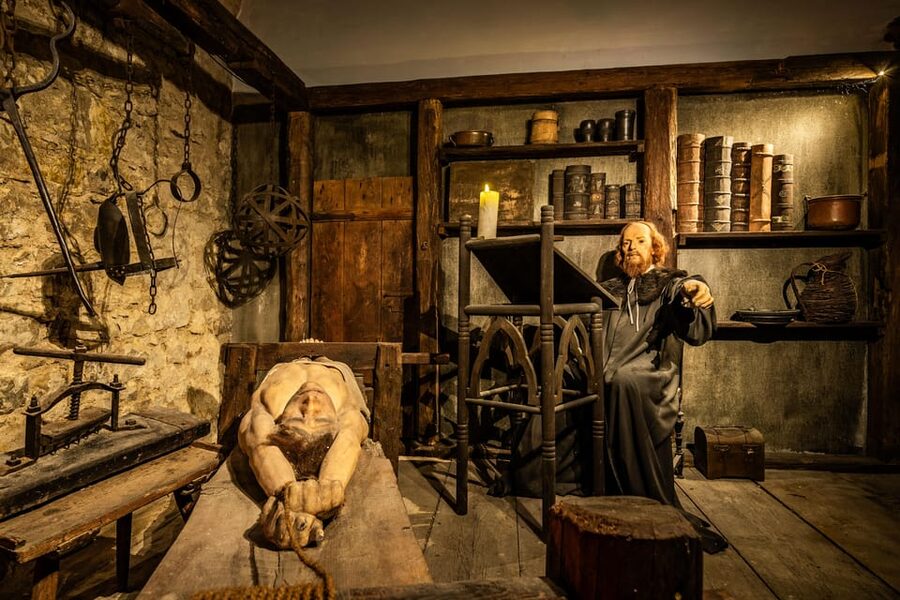
I would recommend it most to adults who enjoy unusual historical subjects and want to understand how legal systems used torture. It also suits independent visitors who prefer to explore at their own pace and want something close to other central Prague sights.
You may appreciate the museum if you like:
- Legal and social history, not just famous buildings
- Detailed replicas of historical devices
- Period engravings and documentary text
- Atmospheric cellar settings
- Short attractions that fit between larger sightseeing stops
I would be cautious about bringing young children. The museum itself warns against it, and the combination of graphic content, wax figures, and sound effects is not designed as a family-friendly history lesson.
I would also skip it if enclosed cellar spaces or strong smells bother you. The reported odor and peeling surfaces may be an isolated condition issue, but the possibility is relevant when deciding how to spend your limited time in Prague.
Practical tips for a better visit
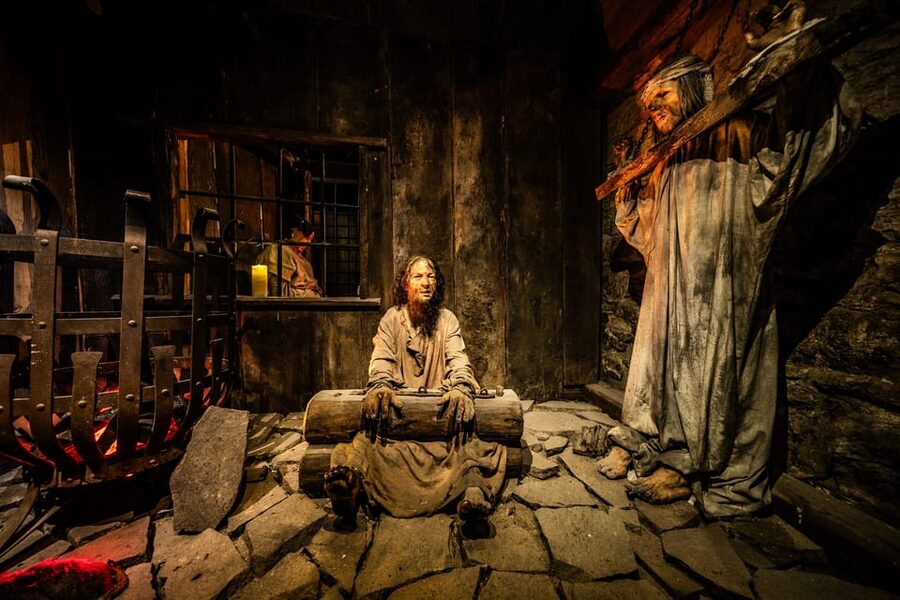
Read the legal panels instead of focusing only on the most famous instruments. The iron maiden may be the image you remember, but the explanations about confessions and judicial procedure give the visit its real subject.
Use the museum as part of a walking day in central Prague. Its location on Celetná Street makes it easier to combine with other Old Town plans than with a separate trip across the city.
Give yourself a moment before entering if you are unsure about graphic material. This is not a neutral display of old tools. The wax scenes and audiovisual effects are intended to create a physical reaction.
Do not assume the ticket includes a personal guide. The listed host or greeter is English-speaking, but no guide name or guided-tour schedule is provided. Expect an English-language museum visit with information panels and self-paced viewing unless your booking details say otherwise.
Finally, check the available start time and cancellation deadline before you commit. You can reserve without paying immediately, and full refunds are available when you cancel at least 24 hours ahead.
Should you book the Museum of Torture?
Book it if you want a compact, atmospheric look at the connection between torture, confessions, punishment, and law. The $9 price is fair, the central location is convenient, and the combination of replicas, engravings, documents, wax figures, and effects gives you more than a row of grim objects.
Skip it if you want original artifacts, a calm scholarly museum, or an attraction suitable for children. Also think twice if you are sensitive to graphic scenes, enclosed cellars, mold odors, or theatrical sound effects.
My practical call is simple: history-minded adults with strong stomachs should consider it, especially on a flexible Old Town day. Everyone else should read the content warning carefully before spending even a modest $9.
FAQ
Where is the Museum of Torture located?
The museum is located in reconstructed cellar spaces on Celetná Street in central Prague, in the Central Bohemian Region of the Czech Republic.
How much does admission cost?
The entry ticket costs $9 per person.
How long is the visit?
The ticket is valid for one day, but no fixed visit length is provided. The exhibition covers about 400 square meters.
What can I see inside the museum?
You can see about 100 exhibits, dozens of period engravings, wax figures, explanatory texts, legal documents, and detailed replicas of instruments such as the iron maiden, Spanish boot, rack, and pear.
Is the museum suitable for children?
The exhibition is not recommended for young children or sensitive individuals because it contains graphic content.
Is information available in English?
Yes. The listed language is English, and the host or greeter is English-speaking.
Recently added around Prague
- St Vitus Cathedral and Prague Castle Private Walking Tour★ 4.0 · 3 reviews
- Prague: Old Town and Jewish Quarter Small-Group Tour★ 5.0 · 3 reviews
- Prague Castle Interiors & Changing of the Guard-Small group★ 5.0 · 3 reviews
- Royal Splendor Unveiled Private Prague Castle Interior Tour★ 3.5 · 3 reviews
- Prague: Bohemian & Saxon Switzerland National Park Day Trip★ 5.0 · 3 reviews
- Running Tour of Prague. Your private 6-9K intro★ 5.0 · 3 reviews
- Discover Prague’s most Photogenic Spots with a Local★ 3.5 · 3 reviews
- PRAGUE AIRSOFT SHOOTING GAMES★ 4.7 · 3 reviews
Museums, compared.


IAM Illusion Art Museum Prague Fast Pass Ticket
Read our review →
Ticket to Audiovisual Light Art at Lumia Gallery
Read our review →

Browse the lists this tour appears in