
Reviewed · BRNO TOURS
Skip the Line: 10-Z Bunker Entrance Ticket in Brno
The most unusual part of Brno’s 10-Z bunker is that you are given an English map and asked to find your way out. This is not a standard guided walk. You move through the shelter’s maze while screens, photographs, effects, and hidden QR codes fill in the story of the people connected with it.
I like the freedom to set my own pace, and I like the solid collection of objects, from the diesel generator and gas masks to the PBX telephone switchboard. The central location is another plus, as is the chance to finish with a drink at the Milk Bar of Marcel Ihnačák. The main caution is language: about 15 screenings have English subtitles, but the overall English explanation may feel thin if you want a fully detailed account.
Key points to know before entering
- Find-your-way-out format: You receive an English map and explore the bunker without a guide.
- WWII and Cold War displays: See the filtration room, generator, telephone exchange, prison door, gas masks, and other shelter equipment.
- English support is partial: Around 15 screenings include English subtitles, with extra videos available through hidden QR codes.
- Historic furniture with a surprising past: Functionalist tables by Polášek were used by Adolf Hitler and communist presidents during visits to Brno Town Hall.
- Flexible visit length: Allow anywhere from 15 minutes to 1 hour 30 minutes, depending on how carefully you follow the exhibits.
- A central café finish: The Milk Bar of Marcel Ihnačák gives you a place to pause after the dark corridors.
Entering Brno’s 10-Z bunker
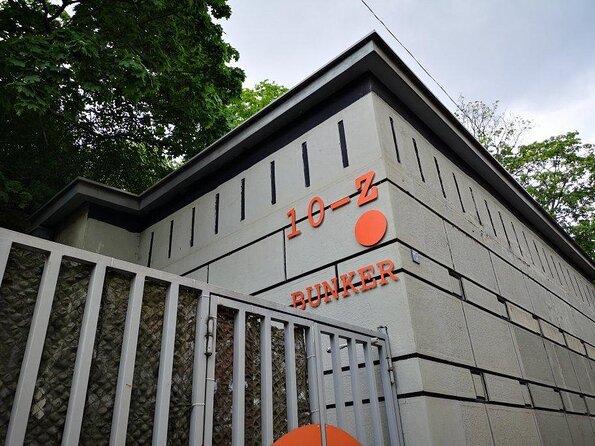
The 10-Z bunker began as a WWII shelter and later served a Cold War purpose. That combination gives the visit its particular mood. You are not looking at one neat historical period, but at a working shelter shaped by changing threats and changing governments.
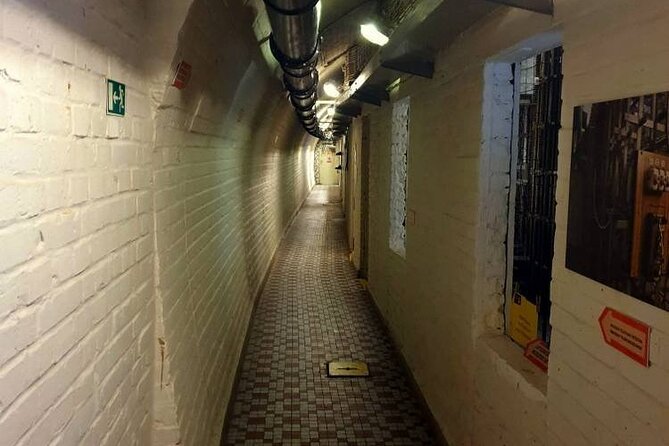
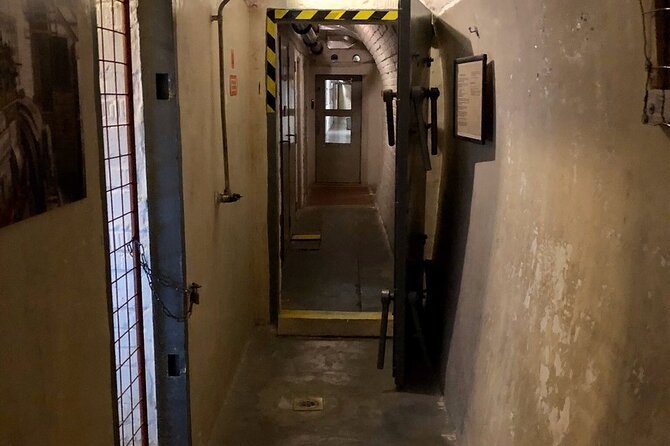
At the entrance, staff give you a map of the labyrinth. Your task is to use it to get through the bunker and reach the exit. I like this approach because it makes the building itself part of the exhibit. You are paying attention to corridors, rooms, and turns rather than simply following someone from one numbered stop to the next.
The format is self-guided, so there is no guide included. That keeps the ticket price low and lets you spend time where you wish. It also means you need to take responsibility for understanding what you see. If you prefer a carefully explained tour with a person answering questions as you go, this experience may feel too quiet or too lightly interpreted.
The bunker can take as little as 15 minutes, but you should allow closer to an hour if you want to watch the screenings, inspect the objects, and look for the extra material. The full stated range reaches 1 hour 30 minutes. Your actual time will depend on whether you treat the map as a quick puzzle or read and watch everything available.
A few more Brno half-days to weigh up
- Prague: Skip-the-line Castle Ticket and Optional AudioGuide
★ 4.3 · 11,121 reviews - Prague Zoo: Skip-the-Line Entry Ticket
★ 4.8 · 3,440 reviews - Prague Jewish Town/Skip-the-Line Official Entry Ticket
★ 4.3 · 524 reviews
A shelter told through rooms and machinery
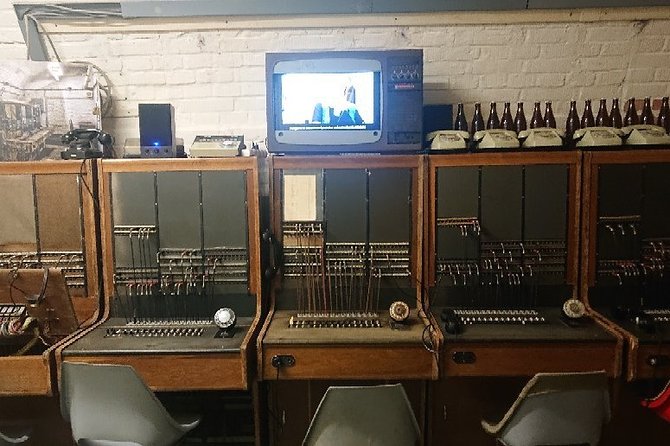
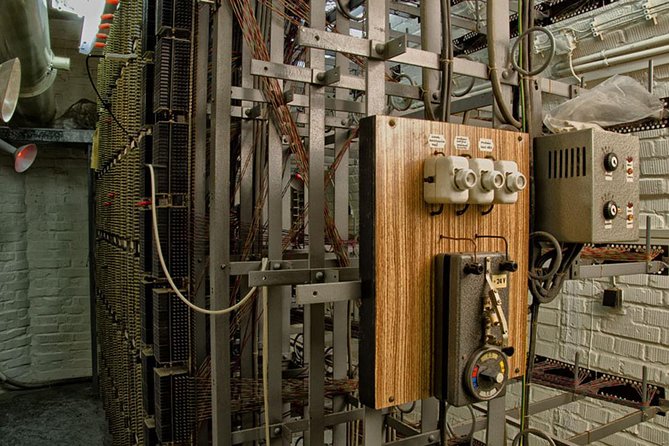
The most effective parts of the experience are the rooms that let you picture the bunker as a functioning shelter rather than an empty concrete shell. You can see the diesel generator, the filtration room, and the PBX telephone switchboard. These are practical objects, but they explain how a sealed shelter might have operated during a crisis.
The filtration room is especially useful for understanding the bunker’s purpose. It points to the basic problem of a fallout shelter: people needed protected air, power, communication, and a place to remain for an extended period. The displays do not simply ask you to admire old equipment. They show the systems needed to keep an underground refuge running.
The phone exchange adds another human layer. Communication in an emergency is not an abstract idea, and a switchboard makes it easier to picture the people who would have handled calls and information inside the shelter. You can take your time with these installations, since no group is pushing you onward.
Gas masks and other objects add to the stark atmosphere. Some exhibits are more powerful because they are plain and functional. You see the kind of equipment people might have relied on, rather than a polished reconstruction made only for display.
Films, projectors, and the people behind the shelter
The bunker uses photographs, projectors, and audiovisual installations to tell stories connected with the shelter, Brno, and the surrounding region. At roughly 15 points, screenings include English subtitles. That makes the visit possible for English-speaking visitors, but the language support is not complete across every part of the exhibition.
You should expect short pieces of information rather than one long narrated explanation. As you move through the bunker, the screens help bring individual stories into the rooms. The effect is strongest when you pause and watch instead of treating the films as background decoration.
The hidden QR codes offer extra videos. Wi-Fi is available throughout the 10-Z site, so you can use your phone to reach this added material. I would keep your phone ready and look carefully for the codes as you move through the rooms. The extra content may help fill gaps, especially if you want more than the English subtitles provide.
This is also where the museum’s weakness becomes clear. English coverage is useful, but not always sufficient for a visitor who wants full context about the bunker’s proposed use, its political setting, or the people shown in the displays. You will get the basic shape of the story, but some subjects may remain underexplained.
The Polášek tables and Brno’s political past
One of the more unexpected objects in the bunker is a group of functionalist tables designed by Polášek. They originally came from Brno’s New Town Hall and were later forgotten in the shelter.
Their past gives them unusual political connections. Adolf Hitler used the tables during a visit to Brno Town Hall, and communist presidents also used them when visiting the city. In a bunker filled with equipment for crisis and survival, these tables offer a link to the public ceremonies and power struggles taking place above ground.
I appreciate this kind of object because it is easy to overlook. A generator tells you what the bunker did. A table can tell you who held authority and how official life intersected with the shelter. Look for these details instead of rushing from one technical room to the next.
The tables also broaden the visit beyond a simple military exhibit. The 10-Z bunker deals with war, state power, civil defense, and everyday administration. Not every object will receive a long explanation, so the value comes partly from noticing the connections for yourself.
A different way to spend an afternoon here:
- Brno: Historic Downtown Walking Tour
★ 3.9 · 278 reviews - 3-Hour Brno Themed Walking Tours
★ 3.9 · 65 reviews - PUNKVA CAVES, ABYSS and PERNSTEJN CASTLE =only from Apr to Sep
★ 5.0 · 25 reviews - Trip to the Austerlitz Battlefield near BRNO in the Czech Republic
★ 5.0 · 20 reviews
The door from Brno’s cell of death
The exhibit includes the door from the cell of death at the former Regional Prison on Cejl Street in Brno. People sentenced to death during WWII and the Stalinist period carved messages into the door before their executions.
This is one of the heaviest objects in the museum. It shifts the mood from public history and shelter technology to individual fear. The marks left by prisoners make political repression tangible in a way that a date or official document cannot.
You may find this section more affecting than the larger machinery displays. It is also a reminder that the bunker’s story is not only about protection from bombs or fallout. It sits within a wider past marked by occupation, authoritarian rule, imprisonment, and state violence.
The description available in English may not provide all the background you want, so take time to look closely and use any related audiovisual material. The object itself carries much of the emotional force.
Finding your route through the bunker
The map-based format sounds simple, but the underground layout is part of the experience. You are encouraged to find your route through the shelter rather than follow a fixed line behind a guide. This adds a small sense of discovery and makes the visit more active.
You should not expect a dramatic escape-room game with timed challenges or team tasks. The goal is simply to find your way out while stopping at the exhibits. The map gives you structure, but the pace remains yours.
This works well if you enjoy self-guided museums and want room to think. It also suits people who dislike being hurried through dark spaces. On a quiet visit, you can stop at a screen, study a switchboard, or return to a room without holding up a group.
The downside is that the experience may feel less polished if you are looking for a clear beginning, middle, and end. The route is part of the story, but it can also make the information feel scattered. I would pay attention to the map and make a mental note of the rooms that interest you most.
How much time should you allow?
The official visit range is 15 minutes to 1 hour 30 minutes. That is a wide spread, but it makes sense for a self-guided exhibit with screenings and optional QR content.
A quick visit might cover the main rooms and the most visible objects. That could work if you have only a short gap in your Brno schedule. Still, the ticket offers better value when you allow at least 45 to 60 minutes, particularly if you want to watch the English-subtitled screenings.
If you read every panel, watch the films, search for QR codes, and pause at the prison door and historic tables, you might use much of the longer time. The quiet setting makes that possible. There is no guide setting the rhythm for you.
The bunker is open Tuesday through Sunday from 11:30 AM to 7 PM during the stated operating period, from December 16, 2025, through December 15, 2026. It is closed on Mondays according to the published schedule, so check your day before booking.
Is the $12.01 ticket good value?
At $12.01 per person, the ticket is reasonably priced for a central museum visit that can occupy up to 90 minutes. The value comes from the building and the objects, not from a long guided presentation.
You are paying for access to a genuine bunker setting, a map-led route, audiovisual material, Wi-Fi, QR-linked videos, and the chance to see unusual items such as the Cejl prison door and Polášek tables. That is a fair package for visitors interested in WWII, the Cold War, Brno, or civil defense.
The value is weaker if you expect a large, fully translated museum with extensive written interpretation. The partial English coverage means you may leave with questions. One way to judge the price is to see the bunker as a compact atmospheric stop rather than a complete lesson in twentieth-century Central European history.
Booking ahead can also help with your schedule. The mobile ticket is convenient, and the experience is commonly booked around 10 days in advance. That does not mean you must plan far ahead for every visit, but reserving early gives you a better chance of fitting it into your day.
Who will enjoy 10-Z most?
I would recommend this experience to you if you enjoy places where the building itself matters. The bunker’s machinery, corridors, and shelter systems do much of the teaching. You will get more from it if you are happy to read, watch, and make connections without a guide explaining every point.
It is a good choice for:
- People interested in WWII and the Cold War
- Visitors who prefer self-guided museums
- Anyone looking for an unusual indoor stop in Brno
- History-minded families and older children who can handle serious subjects
- Visitors who want a flexible visit lasting under 90 minutes
- People interested in political history, prison history, and civil defense
You may want to choose another experience if you need a full English-language explanation or a guide who can answer questions on the spot. The bunker’s subject matter is strong, but the English interpretation is not equal in every room.
The site also employs people with disabilities, which adds a worthwhile social element to your visit. Staff are described as friendly and helpful, and the central location makes the stop easy to add to a day in Brno.
Ending at the Milk Bar
At the end, you can rest at the Milk Bar of Marcel Ihnačák. The café gives the visit a softer finish after the dark rooms, machinery, and prison material.
You can also buy drinks at the beginning, so you do not need to wait until the end if you want something before exploring. The café is not the reason to buy the ticket, but it makes the visit feel less abrupt and gives you a moment to process what you have seen.
That pause matters here. The bunker includes difficult subjects, especially the death-cell door and the stories linked with repression. A short stop afterward can help you shift back into the ordinary city outside.
Booking, cancellation, and practical details
Your confirmation is received at the time of booking, and the ticket is mobile. You do not need to add a guide, since the admission is for independent exploration.
Free cancellation is available if you cancel at least 24 hours before the scheduled start time. Cancellations made less than 24 hours ahead are not refunded, and changes within that period are not accepted. The cut-off follows Brno local time.
The maximum stated capacity is 99 people, though the self-guided design means your visit may feel quiet rather than like a large escorted group. One useful tip is to keep your English map with you and watch for the hidden QR codes. They are an important part of the added material.
Should you book the 10-Z bunker ticket?
Book it if you want an affordable, unusual Brno museum where you can walk through real shelter spaces and examine objects tied to war, communism, civil defense, and political power. The generator, filtration room, switchboard, Polášek tables, and Cejl prison door give the visit plenty of substance.
Go in with realistic expectations about the language support. The approximately 15 English-subtitled screenings help, but the exhibition may not explain every subject in enough English. For a self-guided stop of 45 to 90 minutes, the $12.01 price is fair, especially when you value atmosphere and authentic objects over a polished guided presentation.
FAQ
Where is the 10-Z bunker experience located?
The experience takes place at the 10-Z WWII and Cold War Bunker in Brno, Czech Republic.
Is a guide included?
No. The ticket provides entry, and you explore the bunker independently with an English map.
How long does a visit take?
The stated duration is approximately 15 minutes to 1 hour 30 minutes. Your time depends on how many screenings, objects, and QR-linked videos you choose to explore.
Is information available in English?
About 15 screenings have English subtitles, and you receive an English map. Hidden QR codes provide additional videos, but the amount of English context may feel limited in some parts of the exhibition.
What can I see inside the bunker?
You can see the diesel generator, filtration room, PBX telephone switchboard, gas masks, a prison door from the former Regional Prison at Cejl, and Polášek functionalist tables from Brno’s New Town Hall.
When is the bunker open?
During the stated operating period, December 16, 2025, through December 15, 2026, it is open Tuesday through Sunday from 11:30 AM to 7 PM.
Can I cancel the booking?
Yes. You can cancel for a full refund up to 24 hours before the experience start time. Cancellations and changes made less than 24 hours in advance are not accepted for a refund.
Recently added around Brno
- Brno’s Historic Gems: A Walking Tour★ 5.0 · 3 reviews
- Moravian wine trails★ 5.0 · 4 reviews
- Brno: Food tasting tour in Hidden Gems (Small Groups)★ 4.1 · 6 reviews
- Brno’s Historic Gems: A Private Walking Tour★ 5.0 · 6 reviews
- Fullday Private Tour in Lednice and Valtice with Castle Visiting★ 5.0 · 6 reviews
- 2 Hours Private Walking Tour in Brno★ 5.0 · 6 reviews
- Get to know South Moravia with us. 6 hour tour.★ 5.0 · 9 reviews
- Fullday Private Tour in Lednice & Valtice with Wine Tasting★ 5.0 · 10 reviews
Brno Tours, compared.
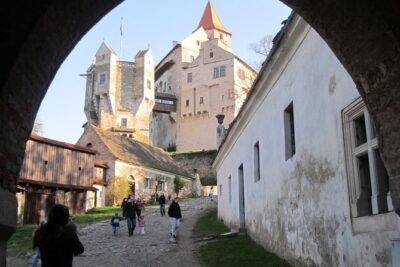
PUNKVA CAVES, ABYSS and PERNSTEJN CASTLE =only from Apr to Sep
Read our review →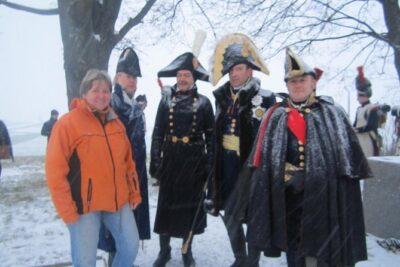
Trip to the Austerlitz Battlefield near BRNO in the Czech Republic
Read our review →
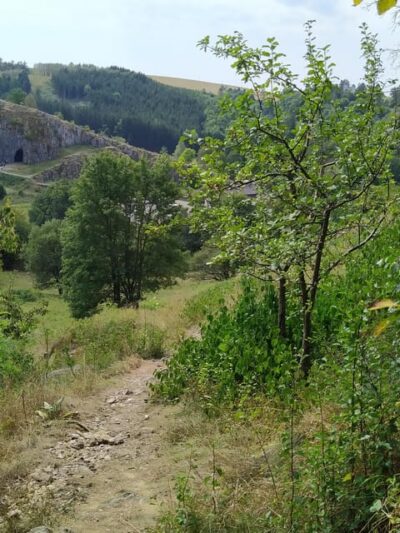
Discover Moravian Karst: Seven Stops, One Tailored Tour
Read our review →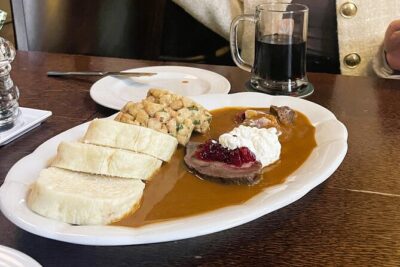
Brno Food Tasting Tour of Hidden Gems for Small Groups
Read our review →
Browse the lists this tour appears in