
Reviewed · OLD TOWN TOURS
WWII and Communism History in Prague’s Old Town Private Tour
The most powerful part of this Prague tour is the way it connects places you might otherwise pass without a second thought. A synagogue, a palace, a clock, and a grand square become clues to Nazi occupation, resistance, Communist rule, and the return of democracy. Josefov and the Old Town Square give the two-hour route real weight from the start.
I like the private format, since you can stop and ask about a difficult subject without holding up a large group. I also like the choice between a compact two-hour walk and a four-hour version with the Museum of Communism. The main consideration is price: at $104 per person, this makes the most sense for a small group that wants focused history rather than a general city walk.
- Josefov’s synagogues: See the Maisel and Spanish Synagogues while learning about Czech Jews sent to Theresienstadt.
- Operation Anthropoid: Hear about the resistance effort and the people who challenged Nazi rule.
- Old Town Square: Learn how the Prague Uprising damaged the Old Town Hall and Astronomical Clock.
- Petschek Palace: Visit the former Gestapo headquarters and its resistance memorial plaque.
- Wenceslas Square: Trace the path from Nazi mass demonstrations to the 1989 Velvet Revolution.
- Museum of Communism: Add four hours for Prague Spring, the 1968 Soviet invasion, censorship, trials, and Jan Palach.
Why this private Prague history walk matters
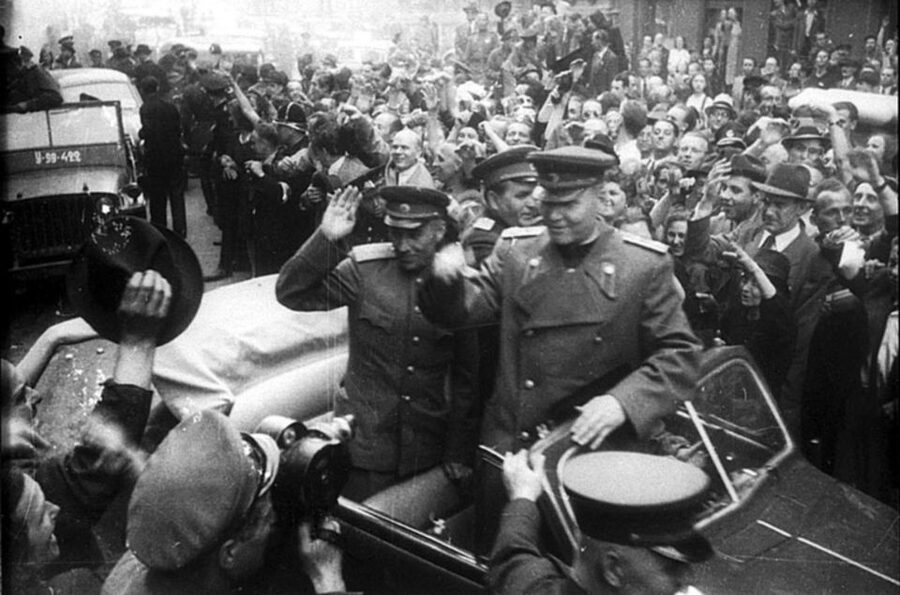
Prague is often presented as a city of castles, churches, and handsome streets. That picture is true, but incomplete. The city also carries the marks of occupation, political violence, forced silence, and public courage.
This tour focuses on the years when Prague was pulled through German occupation, the end of World War Two, Soviet-backed Communist rule, and the Velvet Revolution of 1989. You are not simply looking at old buildings. You are learning how those buildings were used, damaged, watched, or reclaimed.
The guide is the key to the experience. You get a live history expert in the language of your choice: English, French, German, Italian, Polish, Russian, Spanish, or Czech. Recent praise for Sofija highlights her ability to handle unexpected questions and add small personal anecdotes. Markéta has also been praised for making difficult material entertaining without losing its substance.
That combination matters. A dry list of dates will not tell you why a square became a stage for mass protest, or how a building once connected with torture can look so ordinary today. A private guide can adjust the pace and explain the parts that interest you most.
Josefov and the memory of Czech Jews

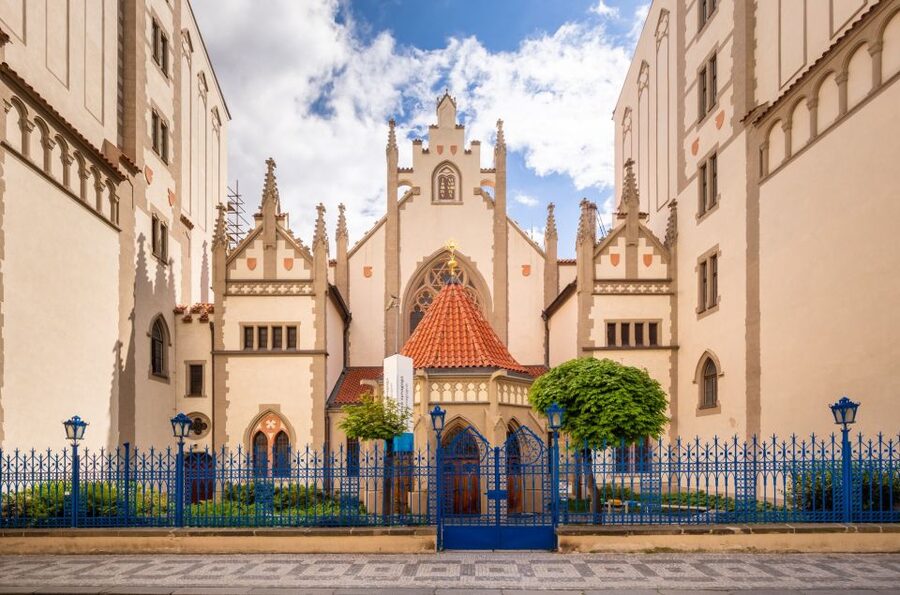
The two-hour walk begins in Josefov, one of Europe’s best-preserved former Jewish quarters. Your route includes the Maisel Synagogue and the Spanish Synagogue, both important reminders that Prague’s Jewish history is not separate from the story of the occupation.
Here the focus turns to the wartime transport of Czech Jews to Theresienstadt concentration camp. You also hear about Hitler’s plan to create a museum of an extinct race, a chilling idea that treated Jewish belongings and religious objects as displays after the destruction of the people connected to them.
This opening is one of the tour’s strongest choices. It makes the subject personal and visible before moving into military and political events. You begin with a community targeted by Nazi policy, then follow the story toward resistance and liberation.
The synagogues themselves are active places of memory, but this tour is not presented as a full architectural or religious tour. If you want detailed interiors, ritual history, or a complete survey of Prague’s Jewish Museum sites, you will need more time elsewhere. Here, the value comes from the historical connection between the buildings and the occupation.
More Old Town Tours in Prague:
- Prague: Old Town Hall Tower Entry Ticket
★ 4.5 · 6,749 reviews - Prague: 3-Hour Walking Tour of Old Town & Prague Castle
★ 4.7 · 5,696 reviews - Prague: 3-Hour Old Town and Prague Castle Tour in German
★ 4.8 · 5,671 reviews
Old Town Square and the Prague Uprising
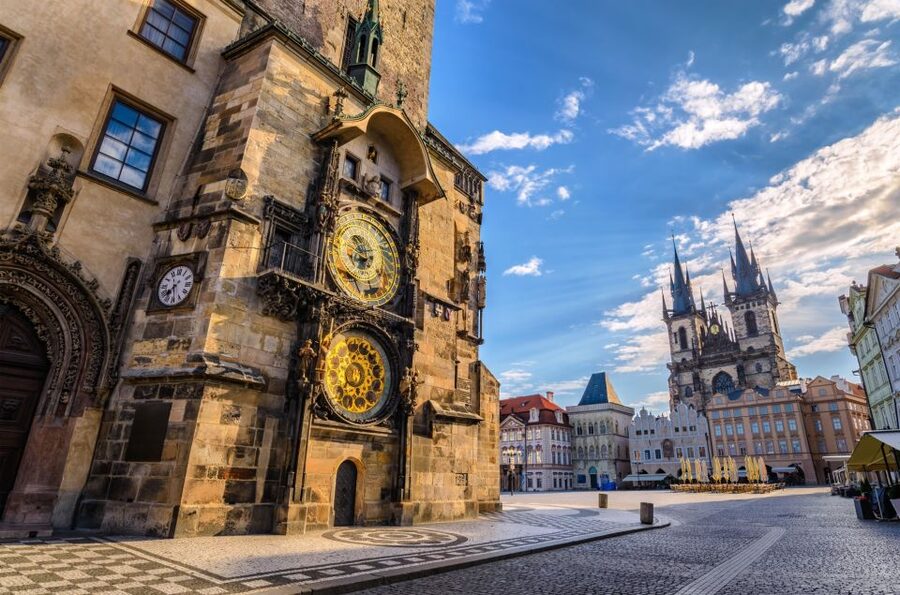
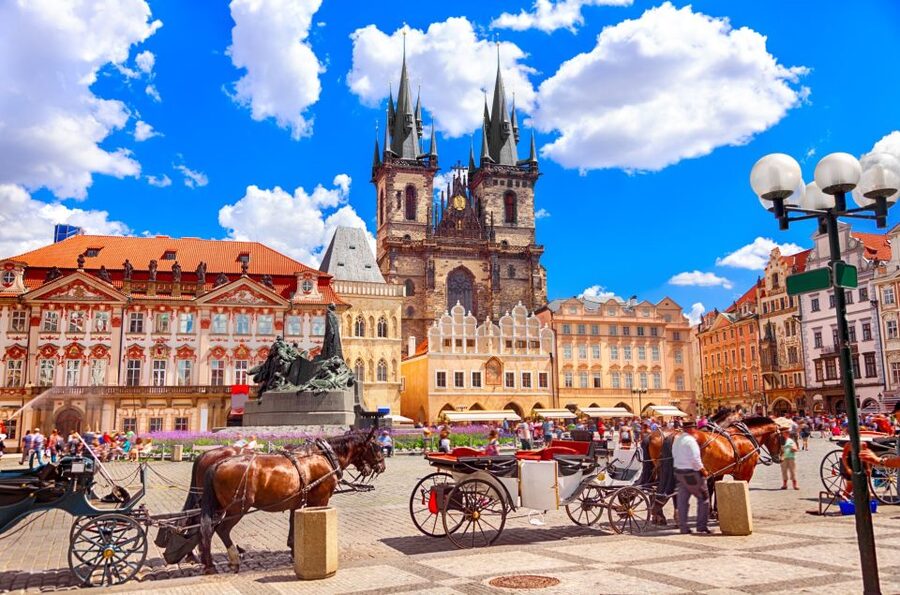
From Josefov, the route moves into the Old Town and reaches the Old Town Square. This is where Prague’s 1945 Uprising becomes central.
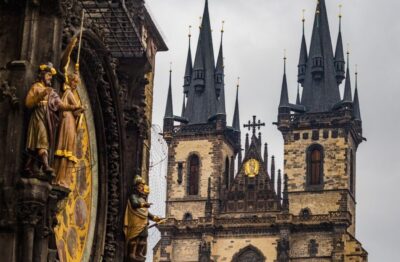
The fighting took place from May 5 to May 9, 1945, as resistance forces challenged German control. The Old Town Hall suffered heavy damage during the battles, and the Astronomical Clock on its facade still gives you a physical point of reference for the violence.
I like this stop because it corrects the common habit of treating the Astronomical Clock as a charming photo backdrop only. On this walk, the clock and the Old Town Hall become part of a city under fire.
The guide also explains the Red Army’s role in the liberation of Prague. That detail leads into a larger political shift. The Communist Party later used the Red Army’s involvement to strengthen support for Communism, showing how the meaning of liberation could be shaped for political purposes.
This is an important thread running through the whole tour. Military events do not simply end when the fighting stops. Governments decide how those events will be remembered, and that memory can influence the next era.
Petschek Palace and the machinery of fear
The walk continues to Petschek Palace, the former headquarters of the Gestapo in Prague. The building’s grand appearance can make this stop especially unsettling. Behind the formal exterior was a place associated with interrogations, torture, and the suppression of Czech resistance.
A memorial plaque on the corner honors Czech resistance members. Your guide explains their efforts, along with the treatment they faced after capture.
This section is less about a single dramatic event and more about the human cost of occupation. It gives you a clearer sense of how resistance operated under surveillance and how dangerous even limited acts of opposition could be.
You should expect serious subject matter here. The tour deals openly with interrogation, torture, deportation, executions, and political violence. That is appropriate for the theme, but it may not suit anyone seeking a light introduction to Prague. Families should also consider the age and sensitivity of children before booking.
Wenceslas Square and two very different mass gatherings
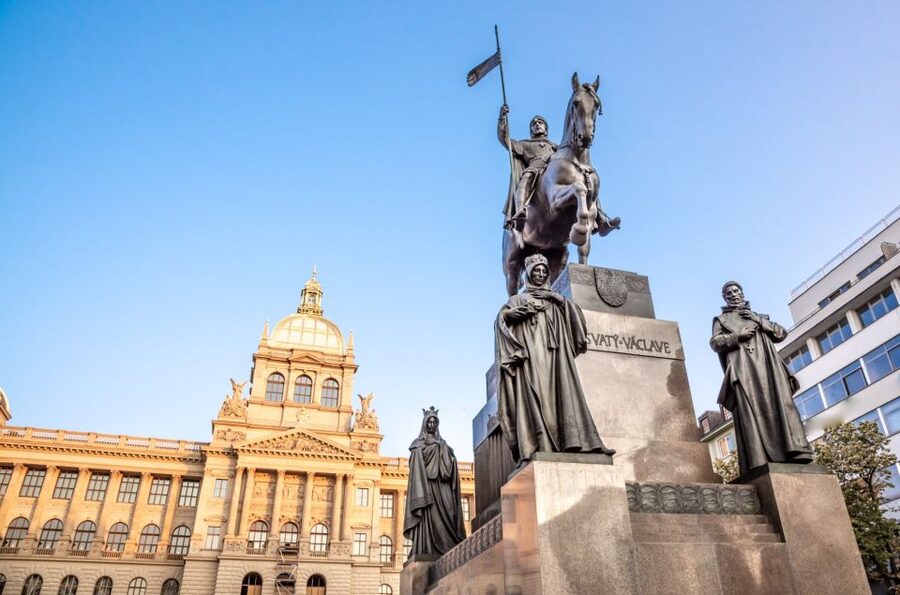
The route ends at Wenceslas Square, one of Prague’s great public spaces. The square was used by the Nazis for mass demonstrations, then became a major setting for the mass protests of the 1989 Velvet Revolution.
That contrast gives the final stop real force. The same kind of public space can be used to display obedience or to express resistance. Your guide places the Velvet Revolution within the wider story of Communist Czechoslovakia and explains how public protest helped bring the regime to an end.
The square is also a practical finish. It is a large, recognizable place in central Prague, so you can continue sightseeing afterward. The tour does not end with a vague final lecture. It leaves you with a clear historical question: how did a society move from enforced political loyalty to public demands for freedom and democracy?
The tour also covers the victims and heroes of occupation and liberation. Do not expect a complete biography of every major figure. Instead, you get a guided framework for understanding the people and events connected with these locations.
More communism and Cold War walks:
- Prague: Communism History and Nuclear Bunker Guided Tour
★ 4.7 · 2,417 reviews - Prague Communism History and Nuclear Bunker Tour
★ 5.0 · 1,742 reviews - Communism & Nuclear Bunker Tour + 70s Canteen Lunch (own expense)
★ 5.0 · 1,036 reviews - Prague: Communism and Bunker Tour with 70s Canteen Lunch
★ 4.8 · 250 reviews
The four-hour option and the Museum of Communism
If you have four hours, the Museum of Communism adds useful context. The museum covers four decades of Communist rule in Czechoslovakia, including the Cold War, the Prague Spring, the Soviet invasion of 1968, Jan Palach’s suicide, and the Velvet Revolution.
This extension changes the shape of the experience. The two-hour route concentrates on streets, memorials, and buildings. The four-hour option gives you indoor exhibits and a longer explanation of daily life under the Communist regime.
The museum also addresses propaganda, censorship, political trials, executions, and the workings of a totalitarian system. Those topics help explain why the 1989 protests mattered. They also show that Communism was not only a matter of leaders and official speeches. It affected what people could read, say, study, and publicly challenge.
Jan Palach’s story is especially important in this context. His death became a symbol of opposition after the suppression of the Prague Spring and the Soviet invasion. Including it in the museum visit helps connect a personal act of protest with the broader political climate of the period.
The Museum of Communism is included only with the four-hour option. In the basic two-hour version, you do not receive admission to the museum, so you would need to pay separately if you visit it on your own. Check the exact option before booking, since the number of attractions depends on your selection.
The longer version is not automatically better for everyone. If you have only a short time in Prague, the two-hour walk gives you the main sites and a strong overview. If you want to understand Communist-era life rather than simply hear about the Velvet Revolution, the extra two hours are worthwhile.
Operation Anthropoid and the resistance story
Operation Anthropoid is one of the major subjects covered by the guide. The operation was the resistance effort associated with the killing of Reinhard Heydrich, a leading Nazi official and the acting Reich Protector of Bohemia and Moravia.
The supplied route description does not promise a visit to every site connected with the operation, so you should think of this as a guided explanation rather than a dedicated Operation Anthropoid route. That distinction matters if the assassination and its aftermath are your main reason for coming to Prague.
Still, placing Operation Anthropoid within a wider Old Town walk makes sense. You hear about resistance alongside Jewish persecution, Gestapo repression, the Prague Uprising, and liberation. The story becomes part of the city’s wider wartime experience instead of an isolated military episode.
Ask questions as you go. The private setting is particularly useful for subjects with many names, dates, and competing political interpretations. A guide such as Sofija, praised for answering questions with extra anecdotes, can make that material easier to follow.
How the tour handles difficult political history
The route covers several kinds of power: Nazi occupation, resistance, Soviet liberation, Communist rule, and democratic protest. The best way to take it is as a connected story, not as two separate themes labeled World War Two and Communism.
The end of the war did not instantly produce a stable democratic future. The role of the Red Army helped the Communist Party build political support. Later, the Prague Spring of 1968 brought reform hopes, only for the Soviet invasion to crush them. The museum section then carries the story toward the Velvet Revolution.
This sequence gives you a useful political timeline:
- German occupation and the persecution of Czech Jews
- Resistance and the Prague Uprising
- Liberation and the growing influence of Communism
- The Prague Spring and Soviet invasion
- Political repression, censorship, and trials
- The Velvet Revolution and the return of democracy
You will hear about both victims and heroes, but the tour does not appear designed as a full academic seminar. It is a city walk with historical interpretation. For most visitors, that is a good balance. You get enough context to understand what you are seeing without spending an entire day inside a lecture hall.
Price, length, and who gets the best value
The listed price is $104 per person. Since this is a private group, value depends heavily on how many people share the booking. For one person, the cost is high. For a small group that wants its own guide, the price can make more sense, especially if several people are genuinely interested in modern Czech history.
The two-hour option is best for a focused introduction. You see Josefov, the Old Town Square, Petschek Palace, and Wenceslas Square, with the key events explained along the way.
The four-hour option is better for a serious history-minded visit. You add the Museum of Communism and gain time for the Cold War, Prague Spring, the 1968 invasion, Jan Palach, and the mechanisms of political control.
I would choose four hours if this is your first serious look at Prague’s twentieth-century history. I would choose two hours if you already plan to visit the museum independently or need to fit the tour around other Old Town sights.
This is a walking tour, and no transport is listed. Wear comfortable shoes and allow enough time to move between stops. The tour is wheelchair accessible, which is useful information when planning with a mixed-mobility group.
The meeting point is in front of the World of Franz Kafka at Náměstí Franze Kafky 16/1 in Staré Město. Check your email the day before for important instructions and any updated meeting details.
What I like, and what I would watch for
The strongest feature is the private guide. You can ask about a family story, a political term, or a confusing date and get an answer suited to your level.
I also like the route’s range. In a short distance, you move from Jewish memory to wartime resistance, from the Gestapo to the 1945 Uprising, and from Nazi demonstrations to the 1989 protests.
The guides are another clear asset. Sofija has been praised for her calm command of Czech history and her ability to add useful anecdotes. Markéta has been praised for an entertaining and highly informed approach. Olivier’s feedback also points to the value of personal stories that make national history feel close and human.
The main weakness is not poor content but limited time. Two hours cannot explain every resistance figure, political turn, or memorial in detail. The route gives you a strong framework, but you may leave with questions that require more reading or another museum visit.
The four-hour version solves much of that problem, though it also demands more energy and concentration. The museum admission is included only in that longer option, so compare the total cost with buying the basic tour and museum entrance separately.
Should you book this Prague history tour?
Book it if you want more than pretty architecture and prefer a guide who can explain why Prague’s public spaces matter. It is especially suitable for adults, history students, politically curious visitors, and small groups who want a private conversation rather than a standard sightseeing script.
Choose the two-hour version for a compact route through the major wartime and revolutionary sites. Choose four hours if you want the Communist era explained in greater detail and want the Museum of Communism included.
I would not book it as your only Prague tour if your main interests are medieval architecture, art, food, or castle interiors. This experience has a clear focus and stays with it.
For the right audience, the $104 price buys more than a walk. It gives you a way to read Prague’s streets as evidence of what happened there. That is the real value, especially when the guide can answer questions in your language and connect the dates to people, buildings, and public acts of courage.
FAQ
Where does the tour meet?
Meet your guide in front of the World of Franz Kafka at Náměstí Franze Kafky 16/1 in Staré Město, Prague.
How long is the tour?
You can choose a two-hour or four-hour option.
Is the Museum of Communism included?
Museum admission is included only with the four-hour option. It is not included in the basic two-hour option.
What does the two-hour tour cover?
The two-hour walk covers Josefov, the Maisel Synagogue, the Spanish Synagogue, the Old Town Square, the Prague Uprising, Petschek Palace, and Wenceslas Square, with discussion of World War Two and Communism.
What additional subjects are covered in the four-hour option?
The four-hour option adds the Museum of Communism, which covers the Cold War, Prague Spring, the Soviet invasion of 1968, Jan Palach, the Velvet Revolution, propaganda, censorship, political trials, and executions.
What languages are available?
The live guide is available in English, French, German, Italian, Polish, Russian, Spanish, and Czech.
Is this a private tour?
Yes. The experience is arranged for a private group.
Is the tour wheelchair accessible?
Yes, the activity is listed as wheelchair accessible.
Can I cancel the booking?
You can cancel up to 24 hours in advance for a full refund. You can also reserve now and pay later.
More Historical Tours in Prague
- Prague: Oldtown, Medieval Underground & Dungeon History Tour
★ 4.2 · 8,244 reviews - Prague Old Town, Medieval Underground and Dungeon Historical Tour
★ 4.5 · 3,227 reviews - Prague: Historic City Center Bus Tour with Top Sights
★ 4.4 · 2,360 reviews - Prague Historic Pub Tour with Drinks Included
★ 5.0 · 2,084 reviews
Recently added around Prague
- St Vitus Cathedral and Prague Castle Private Walking Tour★ 4.0 · 3 reviews
- Prague: Old Town and Jewish Quarter Small-Group Tour★ 5.0 · 3 reviews
- Royal Splendor Unveiled Private Prague Castle Interior Tour★ 3.5 · 3 reviews
- Prague Castle Interiors & Changing of the Guard-Small group★ 5.0 · 3 reviews
- Prague: Bohemian & Saxon Switzerland National Park Day Trip★ 5.0 · 3 reviews
- Running Tour of Prague. Your private 6-9K intro★ 5.0 · 3 reviews
- Discover Prague’s most Photogenic Spots with a Local★ 3.5 · 3 reviews
- PRAGUE AIRSOFT SHOOTING GAMES★ 4.7 · 3 reviews
Old Town Tours, compared.
3-Hour Walking Tour of Old Town & Prague Castle
Read our review →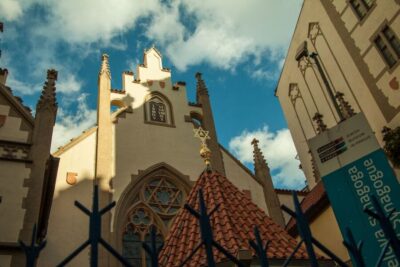
3-Hour Old Town and Prague Castle Tour in German
Read our review →
Prague Old Town, Medieval Underground and Dungeon Historical Tour
Read our review →
Old Town and Jewish Quarter Guided Tour in German
Read our review →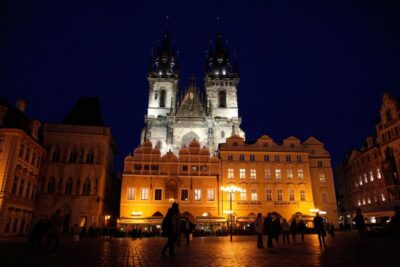
Ghosts and Legends of the Old Town Evening Tour
Read our review →
Old Town and Jewish Quarter Guided Walking Tour
Read our review →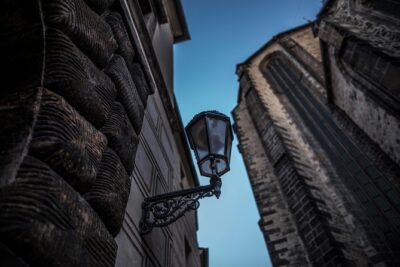
Prague Ghost and Legend of Old Town Walking Tour
Read our review →Browse the lists this tour appears in