
Reviewed · COMMUNISM AND COLD WAR TOURS
Prague: Communism History and Nuclear Bunker Guided Tour
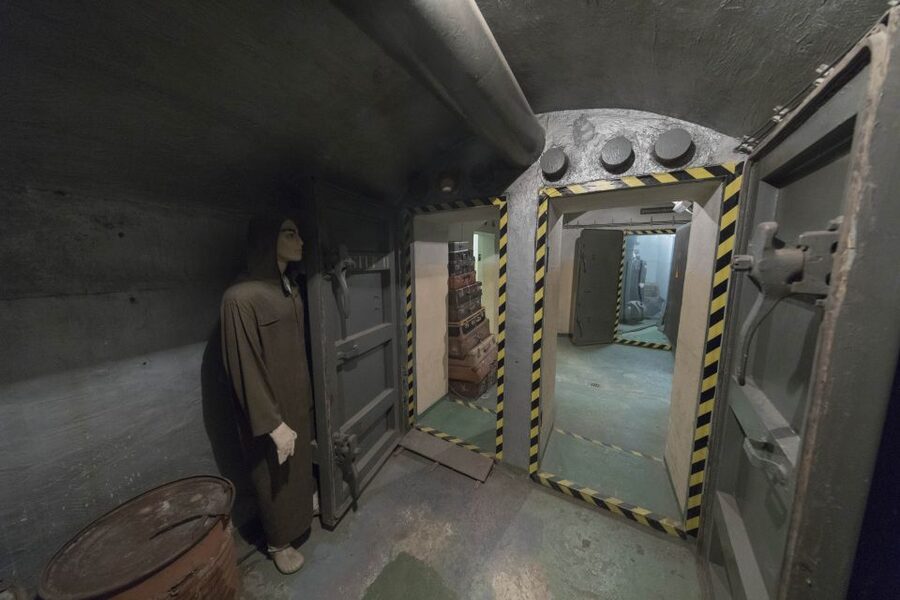
Prague’s most unusual history lesson takes you 50 feet underground, into a real 1950s nuclear bunker built to shelter as many as 5,000 people. Before you reach the bunker, your guide connects it to Prague’s streets, the Velvet Revolution, Stalin’s enormous former monument, and the machinery of communist control. I like the tour for two clear reasons: it treats communism as lived human history, not just a list of dates, and guides such as Stan, Pavel, and Ladislav add personal memories of growing up under the regime.
I also like the tram ride to the bunker. It takes you beyond the postcard center and helps you see Prague as a real city, not just a pretty old town. The main drawback is physical: this is a walking tour with stairs, public transit, and underground passages. It is not suitable for wheelchair users, strollers, people with mobility problems, or anyone uncomfortable in enclosed spaces.
Key details at a glance
- A genuine 1950s nuclear bunker: See original equipment, Cold War displays, photographs, and rooms designed for thousands of people.
- Personal stories from the communist era: Guides including Stan, Pavel, and Ladislav explain how fear, surveillance, shortages, and political pressure affected ordinary people.
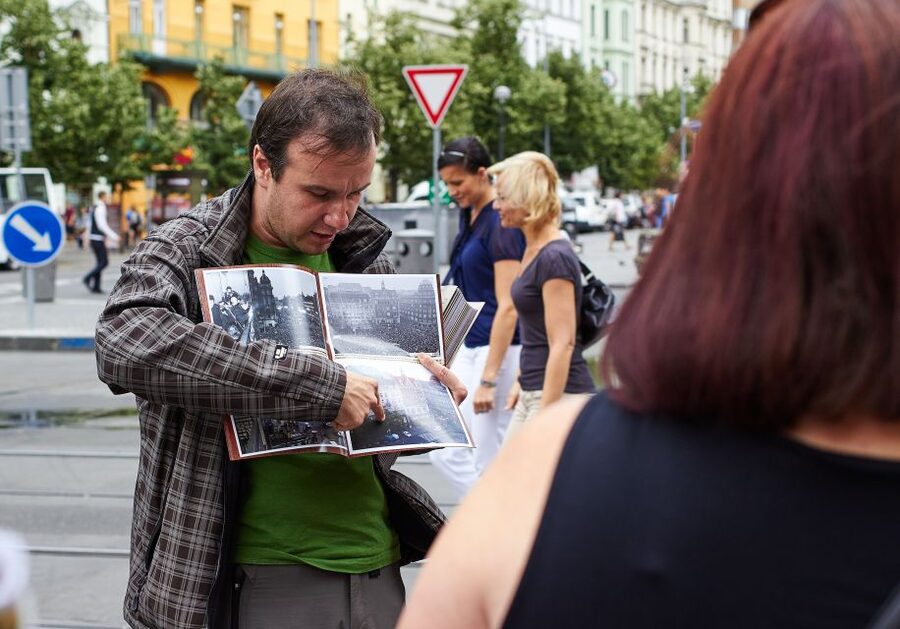
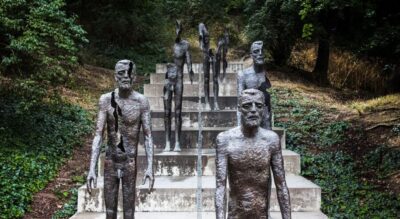
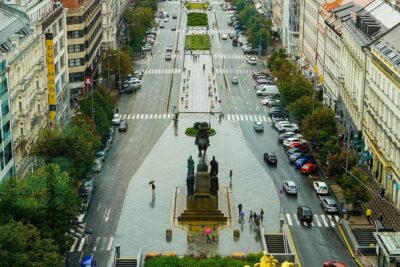
- A walking tour before the bunker: Visit the Velvet Revolution Memorial, Národní Street, and Wenceslas Square before taking public transportation.
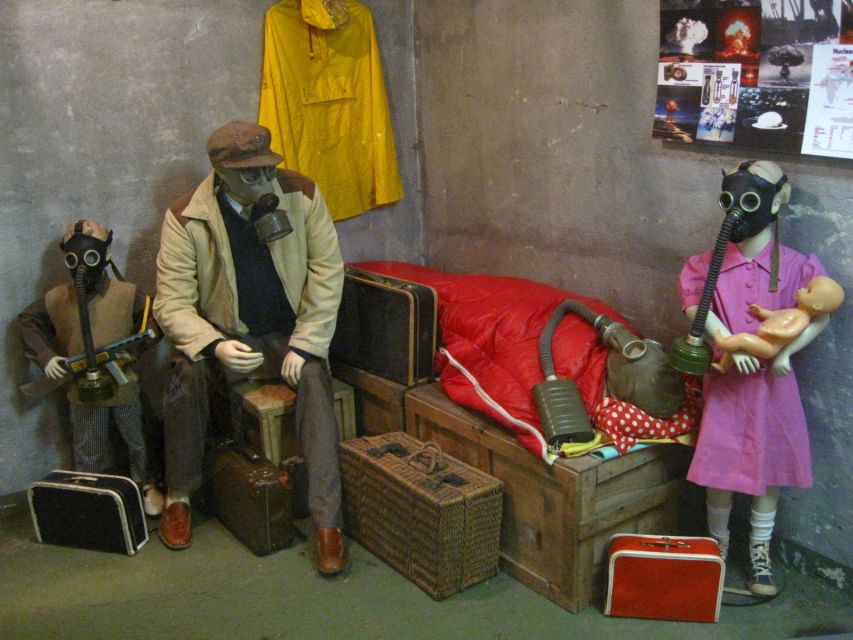
- A gasmask workshop: The bunker museum includes a hands-on activity and opportunities for photographs with historic equipment.
- A 150-minute city-and-bunker route: Most of the bunker visit takes about 70 minutes, with short walks and transfers around it.
- Best for history-minded adults and older children: The subject is serious, the route involves stairs, and children under school age are not allowed.
Why this tour feels different from a standard communist museum
Prague has museums devoted to the communist period, but this outing gives you two things a display hall cannot easily provide: place and personal voice. You hear about repression while standing near locations tied to the Velvet Revolution. You then leave the center by tram and enter a bunker built for a possible nuclear attack.
That change in setting matters. The street-level part helps you understand how politics shaped public life. The bunker makes the Cold War threat physical. Concrete walls, narrow rooms, old equipment, and underground darkness turn an abstract subject into something you can picture.
The guides are central to the experience. Stan is praised for combining humor with memories of Prague during the fall of communism. Pavel is especially good at managing the group on the tram and explaining the bunker’s scale and artifacts. Ladislav, who lived through the communist period, gives the subject a personal edge. Other guides, including Katerina, Maki, Susanna, and guides identified as L, bring their own style.
The best version of this tour is not a theatrical performance. It is a serious account told in clear English or German, with room for questions and occasional humor. That balance helps. The material includes spying, political imprisonment, fear, violence, refugees, dissidents, and the former secret police. A little humor keeps the tour from becoming emotionally heavy every minute, without making light of the subject.
More communism and Cold War walks:
- Prague Communism History and Nuclear Bunker Tour
★ 5.0 · 1,742 reviews - Communism & Nuclear Bunker Tour + 70s Canteen Lunch (own expense)
★ 5.0 · 1,036 reviews - Prague: Communism and Bunker Tour with 70s Canteen Lunch
★ 4.8 · 250 reviews
From Prague’s streets to the Velvet Revolution
The tour begins at one of two possible meeting points, depending on the option you book. Check your exact meeting place before setting out, since the starting point may change.
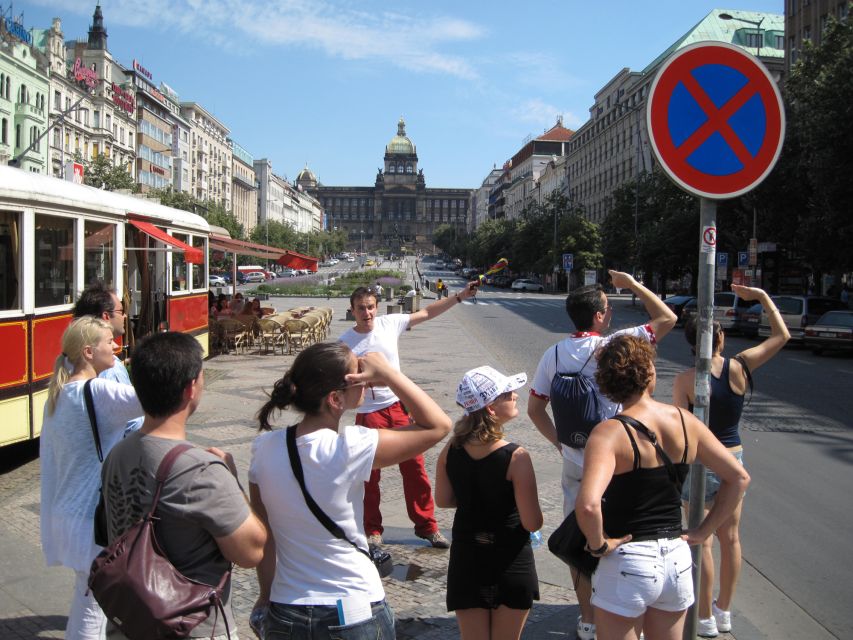
The opening section is a guided walk of about 10 minutes. It includes the Velvet Revolution Memorial, a place connected with the peaceful protests that helped end communist rule in Czechoslovakia in 1989. Your guide explains what happened there and why the events mattered.
You also visit Národní Street, listed at the address Národní 110 00, and Wenceslas Square. These are not random city stops. They help place the political story in the center of Prague, among streets that witnessed demonstrations, official ceremonies, public control, and opposition.
I like this structure because you are not asked to absorb the whole story inside the bunker. The city walk gives you a short introduction first. You learn about communist power, public fear, and the road to the Velvet Revolution before heading below ground.
The opening walks are brief, about 10 minutes at each listed stop, but the tour moves at a steady pace. Keep your phone away while listening and wear sensible shoes. This is not a slow architectural stroll with long breaks for photographs.
Stalin, secret police, spies, and everyday fear
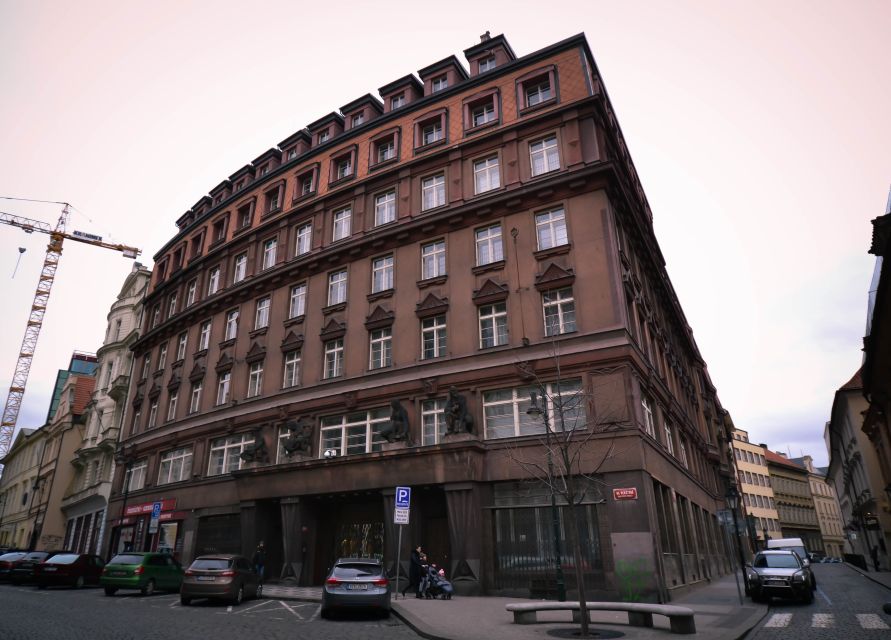
The historical commentary covers more than the familiar Cold War rivalry between the Soviet Union and the West. You hear about the biggest statue of Stalin ever built, along with the former headquarters of the communist secret police. The guide also tells stories connected with spies, political prisoners, Cold War refugees, and dissidents.
These details give the tour a human scale. You are not only learning that the state watched its citizens. You are hearing how surveillance and political pressure could shape choices, friendships, careers, and family life.
A strong part of the commentary is its focus on ordinary people. Guides who grew up in Prague during the period can explain what it felt like to be a teenager in the 1980s and to watch the regime collapse. That perspective is useful because a visitor can easily see communism as a finished political system, safely contained in old photographs. The guide reminds you that it was part of daily life for living generations.
The tone is candid. The tour does not try to make the period sound quaint or harmless. It deals with oppression and the fear that came with it. At the same time, the guide keeps the talk approachable and invites questions.
The tram ride to Prague’s largest nuclear bunker
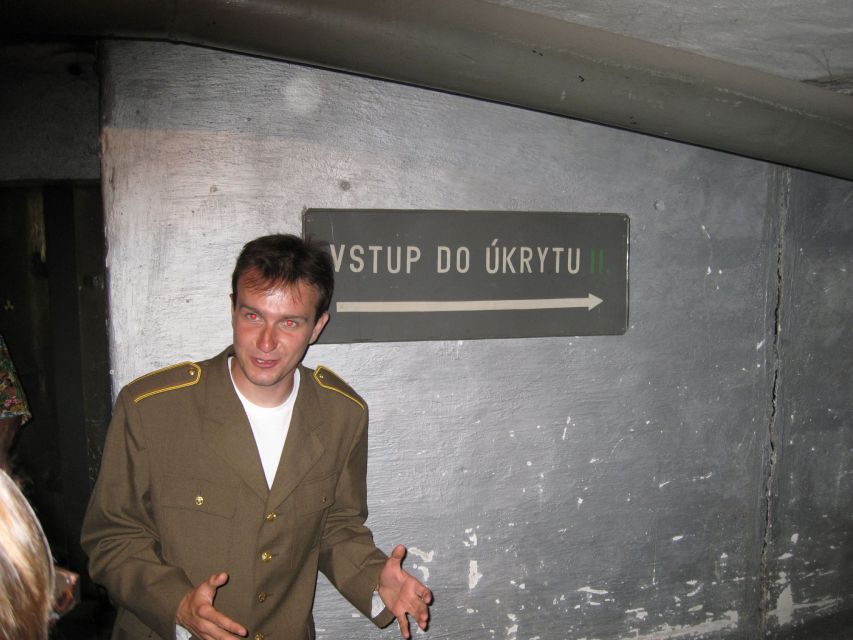
After the central Prague walk, the group takes public transportation to the bunker. The transfer takes roughly 10 minutes, though the total timing can shift by 10 to 15 minutes depending on group size.
This is a useful part of the route, not just a way to fill time. You leave the main sightseeing zone and see a more ordinary part of Prague on the way to the bunker. One visitor described the tram ride and suburban setting as a helpful contrast between past and present life in the city.
Pay attention during this transfer. The guide keeps the group together, helps everyone get through the journey, and continues the historical explanation. Pavel in particular is praised for handling the tram transfer carefully and keeping track of the group.
The public transportation is included in the price, which makes the $44 cost easier to justify. You are paying for a live guide, bunker admission, museum access, and transport, rather than only a short underground visit.
More Historical Tours in Prague:
- Prague: Oldtown, Medieval Underground & Dungeon History Tour
★ 4.2 · 8,244 reviews - Prague Old Town, Medieval Underground and Dungeon Historical Tour
★ 4.5 · 3,227 reviews - Prague: Historic City Center Bus Tour with Top Sights
★ 4.4 · 2,360 reviews - Prague Historic Pub Tour with Drinks Included
★ 5.0 · 2,084 reviews
Inside the bunker, 50 feet below the city
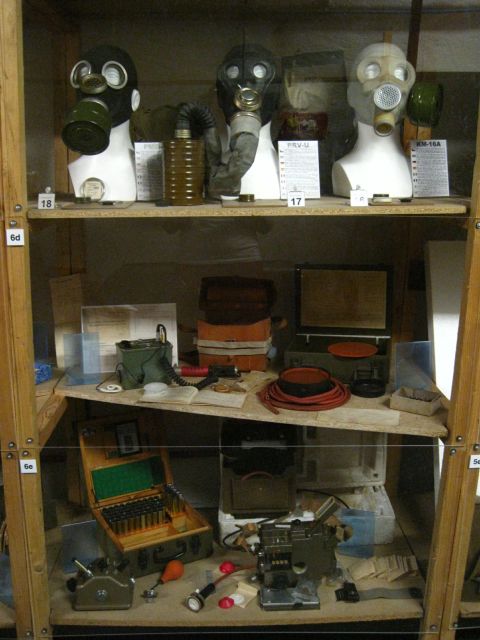
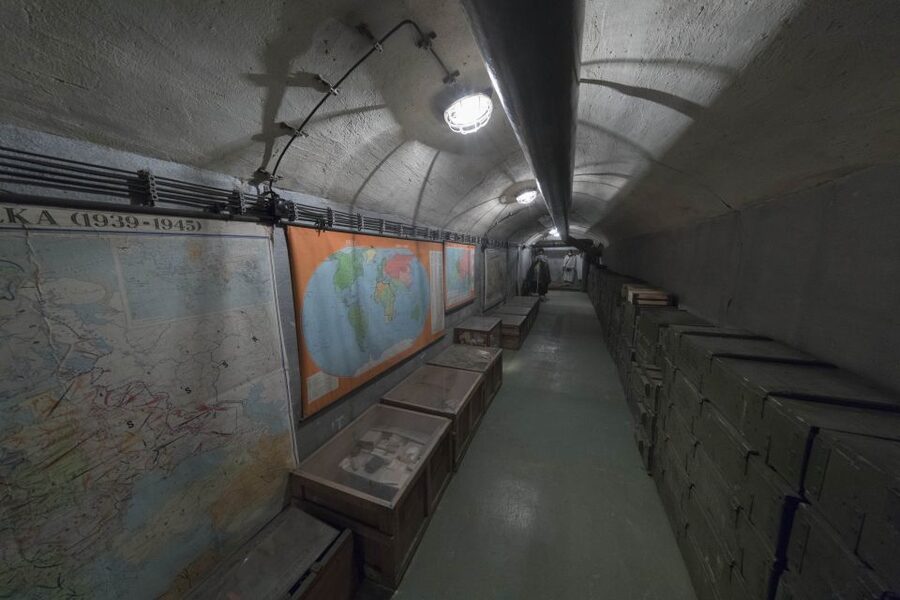
The bunker visit takes about 70 minutes, making it the main part of the outing. Built in the 1950s, it was designed to accommodate up to 5,000 people in the event of a nuclear attack.
That number changes how you see the rooms. This is not a tiny private shelter. It was planned as a large civilian facility, with the grim purpose of keeping a huge number of people alive after a catastrophe. The scale is one of the most memorable parts of the visit.
The bunker contains Cold War exhibitions, genuine equipment, photographs, and other artifacts. You may see displays related to emergency planning, civil defense, and the atmosphere of nuclear fear. The material gives you a look at how authorities prepared for disaster and how that threat entered public life.
The setting is plain and somewhat rough. One recent visitor found that some exhibits looked tired and needed maintenance. That is worth knowing before you book. The bunker is valuable because it is an original, atmospheric place, not because every display feels polished like a new museum.
There is also some dust inside. If you have respiratory allergies, bring a face mask. The environment is not described as dirty, but the age and underground setting can affect sensitive visitors.
The route includes stairs and enclosed spaces. There are no toilets at the starting point, and the provided information does not list toilets at the bunker either, so use facilities before meeting the group.
The museum and the gasmask workshop
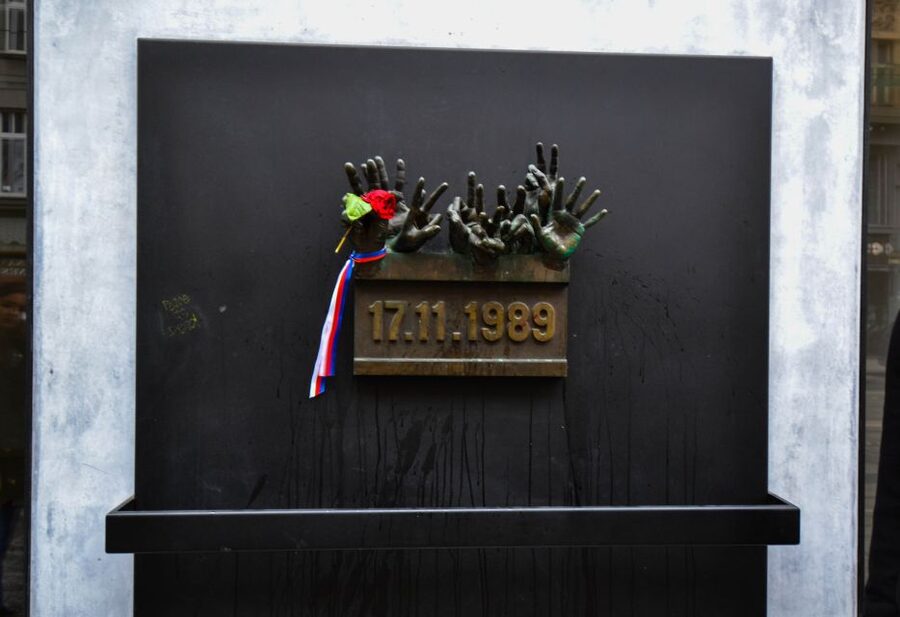
The tour finishes its underground section in the bunker museum, where the Cold War exhibitions provide more detail than the bare rooms alone. Photographs and artifacts help explain the people and systems behind the concrete walls.
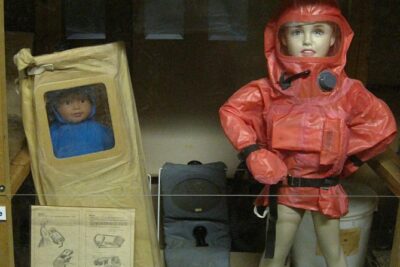
The gasmask workshop adds a practical element. You do not simply walk past glass cases. You can handle part of the civil-defense story and take photographs with historic equipment, including guns according to one description of the activity. Photos are allowed, but video recording requires extra permission.
This workshop may be a highlight for visitors who like tangible history. It also gives the group a break from continuous commentary. Still, keep the tone in mind. The equipment represents fear and preparation for mass destruction, not a playful costume activity. Costumes are not allowed, and bachelor or bachelorette groups are specifically excluded.
After the bunker, the group takes public transportation back toward New Town. The final guided section lasts about 10 minutes and the tour ends at Malé Náměstí. The return point is handy for continuing your sightseeing in central Prague, though you will need to make your own plans from there.
What the $44 price gets you
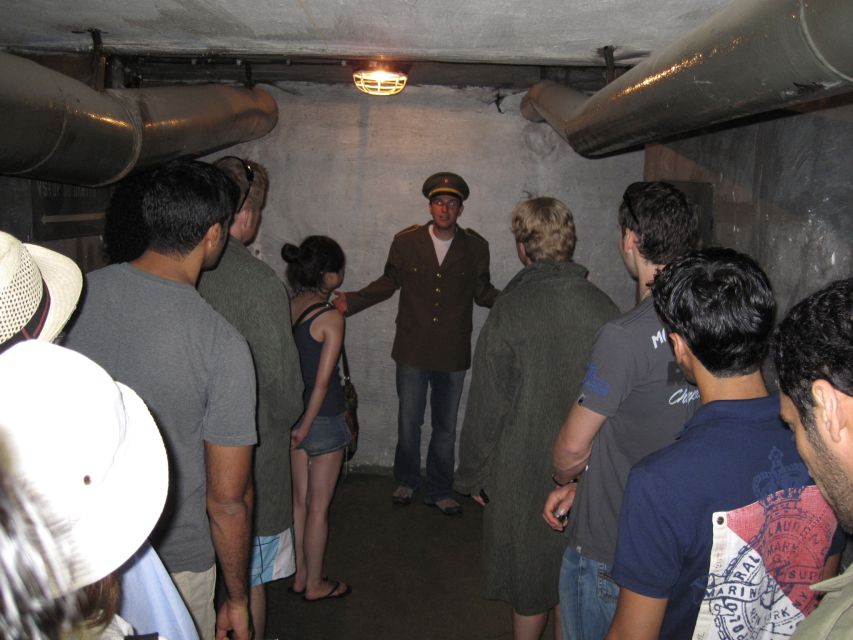
At $44 per person, this is not Prague’s cheapest history walk. I think the price is fair if you want a guided experience rather than a quick visit to a bunker on your own.
You receive about two and a half hours of organized history, a live guide, public transportation to and from the bunker, and entry to the bunker museum and exhibitions. The guide is doing more than pointing out objects. You are getting context for the Velvet Revolution, Stalin’s monument, the secret police, Cold War fears, and ordinary life under communism.
The value depends on your interests. If you want a polished museum with modern labels and comfortable facilities, the bunker may feel basic. If you want a real Cold War site linked to Prague’s political story, the combination is stronger than visiting either a city museum or bunker alone.
The personal approach also adds value. Guides who lived through the era can explain details that are hard to find in a standard display. You should not assume every guide has the same personal background, but the experience is built around live commentary in English or German.
Free cancellation is available up to 24 hours before the start, and you can reserve without paying immediately. Tickets can be booked online until 30 minutes before departure, but once the group leaves, joining is not guaranteed.
Who should book it, and who should skip it
I recommend this tour for adults, older children who can handle serious political history, and anyone interested in the Cold War, Soviet-era Europe, civil defense, or modern Czech history. You do not need to be a history specialist. The guides explain the subject in a way that connects large events to normal life.
It is especially useful if you have already seen Prague’s major sights and want a different side of the city. The tram ride, New Town section, and bunker visit take you beyond the usual Old Town route.
You should skip it if stairs are difficult, if you use a wheelchair or stroller, or if you have a walking disability. The tour is also unsuitable for people with claustrophobia, heart problems, attention disorders, or infants and very young children. Comfortable walking shoes are essential.
You must speak the selected tour language. Translation during the tour is not permitted, and you cannot join in one language while someone translates into another. Pets, smoking, alcohol, and drugs are not allowed.
My booking advice
I would book this tour if you want human stories and a real place, rather than a quick collection of communist-era facts. The strongest part is the connection between Prague’s public streets and the bunker below them. The guide’s skill makes a large difference, so an excellent guide such as Stan, Pavel, or Ladislav can turn an already unusual route into a memorable history lesson.
Go with comfortable shoes, allow extra time for the group, and prepare for stairs, dust, and narrow underground spaces. If you can accept a slightly worn museum setting, the bunker’s scale and authenticity carry the day.
For a visitor who wants to understand how communism affected everyday Czech life, this is a worthwhile $44 outing. For someone seeking a light sightseeing tour, it will feel too serious and physically demanding.
FAQ
How long does the Prague Communism and Nuclear Bunker Tour last?
The scheduled duration is 150 minutes, or two and a half hours. Timing may vary by about 10 to 15 minutes depending on group size.
What languages are available?
The live tour is offered in English and German. You must speak the selected language, and translating the guide into another language during the tour is not allowed.
Is transportation to the bunker included?
Yes. Public transportation to and from the bunker is included in the tour price.
Is the tour suitable for wheelchair users?
No. The tour is not suitable for wheelchair users, strollers, or people with mobility impairments because it includes walking and stairs.
Is the bunker suitable for people with claustrophobia?
No. The activity is not suitable for people with claustrophobia. It is also not recommended for people with heart issues or attention disorders.
Can children join the tour?
Infants and the smallest children under school age are not allowed. Babies under one year are specifically listed as unsuitable for the activity.
Can I take photographs inside the bunker?
Yes, photography is allowed. Video recording requires extra permission.
Recently added around Prague
- St Vitus Cathedral and Prague Castle Private Walking Tour★ 4.0 · 3 reviews
- Prague: Old Town and Jewish Quarter Small-Group Tour★ 5.0 · 3 reviews
- Royal Splendor Unveiled Private Prague Castle Interior Tour★ 3.5 · 3 reviews
- Prague Castle Interiors & Changing of the Guard-Small group★ 5.0 · 3 reviews
- Prague: Bohemian & Saxon Switzerland National Park Day Trip★ 5.0 · 3 reviews
- Running Tour of Prague. Your private 6-9K intro★ 5.0 · 3 reviews
- PRAGUE AIRSOFT SHOOTING GAMES★ 4.7 · 3 reviews
- Private walking tour and Boat cruise Best of Prague★ 5.0 · 3 reviews
Communism and Cold War Tours, compared.
Prague Communism History and Nuclear Bunker Tour
Read our review →
Communism & Nuclear Bunker Tour + 70s Canteen Lunch (own expense)
Read our review →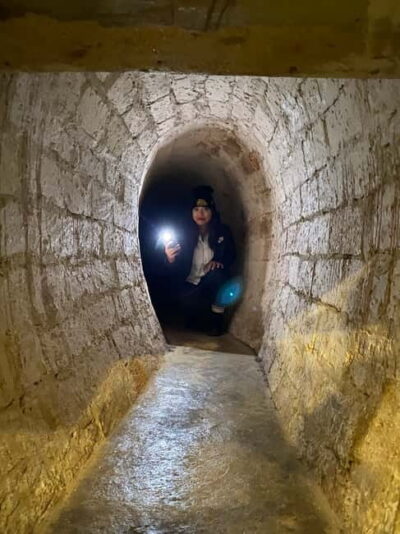
Communism and Bunker Tour with 70s Canteen Lunch
Read our review →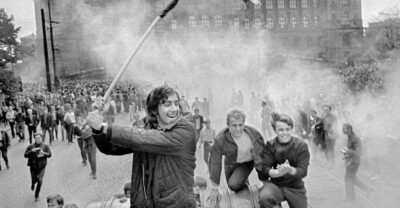
Second World War & Communism (Tip-based 3 hour tour)
Read our review →
Browse the lists this tour appears in