
Reviewed · COMMUNISM AND COLD WAR TOURS
World War 2 and Communism Tour
Prague’s prettiest streets tell only part of the story. This 2.5-hour World War II and Communism tour takes you beyond the usual postcard views, into the political shocks and human choices that shaped modern Czechia. You’ll walk through the Old Town, enter the crypt of St Cyril and St Methodius Cathedral, and finish with the events surrounding the Velvet Revolution.
I like the tour’s strong local perspective and its practical use of public transportation, which saves you from guessing your way between important sites. I also like the balance between broad political events and personal explanations from guides such as Adam, Tony, Phil, Analise, and Zach. The main drawback is the subject matter: this is a serious tour, and people looking for light sightseeing may find parts of it heavy. The group can also reach 30 people, so ask questions early if you want plenty of individual attention.
Key points to know before you book
- The cathedral crypt is the emotional center: You go inside St Cyril and St Methodius Cathedral and see the place connected with the wartime resistance and the assassins who hid there.
- The tour covers two connected eras: You learn about Prague during World War II, then follow the city’s political path into Communism and the Velvet Revolution.
- Public transportation is included: Transfers between parts of the route are covered, making the afternoon easier to manage.
- The guides shape the experience: Adam, Tony, Phil, Analise, and Zach have all led this tour, with special praise for clear explanations, humor, and personal insight.
- It is best for serious history fans: The tour gives more than a quick introduction, but its subject matter and pace suit people who want context.
- The price is reasonable for what is included: At $34.84, you receive a 2.5-hour guided experience, transportation, and cathedral admission.
Why this tour adds another layer to Prague
Prague can feel like a city built for easy sightseeing. You stroll across Old Town Square, admire Gothic towers, and follow the crowds toward the river. Yet the city’s 20th-century story is not always visible at street level. This tour helps connect familiar places with the conflicts that changed them.
The focus is not just on dates and political labels. Your guide explains how Prague’s people experienced occupation, resistance, Communist rule, and political change. That approach matters because the subject can otherwise become a blur of names and slogans.
The strongest part of the experience is the connection between public events and human decisions. Guides explain who acted, why they acted, and how ordinary people viewed the changes around them. One guide, Adam, is especially noted for linking the city’s past with his own family experience. Other guides, including Tony, Phil, Analise, and Zach, have been praised for making difficult ideas easier to understand.
You should not expect a museum lecture delivered while standing still. You walk, listen, use public transport, and then spend time inside a major historical site. That variety keeps the afternoon moving, though it also means you need comfortable shoes and enough stamina for a moderate amount of walking.
More communism and Cold War walks:
- Prague: Communism History and Nuclear Bunker Guided Tour
★ 4.7 · 2,417 reviews - Prague Communism History and Nuclear Bunker Tour
★ 5.0 · 1,742 reviews - Communism & Nuclear Bunker Tour + 70s Canteen Lunch (own expense)
★ 5.0 · 1,036 reviews
Meeting at Týnská 639/4 at 2:30 pm
The tour begins at Discover Prague Tours, at Týnská 639/4 in Prague’s Old Town. The initial meeting period is listed as 15 minutes, giving you time to find the guide and group before setting off.
The start point puts you close to Old Town Square, one of Prague’s busiest areas. Give yourself extra time to find Týnská 639/4, especially if you are coming from another part of the city. The meeting address is in Staré Město, Prague 1, and the scheduled start is 2:30 pm.
Your guide is the key to the afternoon. The experience can vary slightly depending on who leads it, but the named guides associated with this tour have a clear pattern: they explain complex events in plain language, answer questions, and add a personal connection to Prague.
Phil is described as especially good at answering questions. Tony is praised for an engaging delivery and his ability to add information about Prague today. Analise is noted for a friendly, eye-opening presentation. Zach has been praised for explaining not only what happened, but also why people acted as they did.
That range is useful because World War II and Communism can be hard subjects to cover in a short tour. A good guide must simplify without making the story simplistic. The comments about these guides suggest that this is one of the tour’s main strengths, though no booking can guarantee a particular guide unless the operator confirms it.
Old Town Square, familiar streets with a harder story
The tour walks through Prague’s Old Town Square before moving toward less familiar places. You will already know the square as one of the city’s main sightseeing stops, but the guide uses it as a setting for political change rather than simply a place to admire buildings.
This is a smart opening. Old Town Square gives you an easy sense of Prague’s public life, then the guide adds the 20th-century context that many first-time visitors miss. The focus is on the city’s political evolution and the clashes that shaped it.
Expect a walking talk rather than a long formal stop. You listen while moving through the old center, with the guide pointing out how Prague’s streets and public spaces connect to larger events.
The off-the-main-route angle is valuable. You may have passed through this part of the city without realizing how much of the modern story sits alongside the medieval and Baroque scenery. The tour does not replace a standard Old Town sightseeing walk, but it gives familiar streets a different purpose.
If you already have a strong background in European history, you may find the early explanations familiar. The payoff comes when the guide connects general events to Prague and to local experience. If your knowledge is limited, the clear storytelling should help you follow the rest of the tour.
St Cyril and St Methodius Cathedral and its crypt
The most important stop is St Cyril and St Methodius Cathedral. Admission is included, and the tour goes inside to the crypt.
This is not simply another church visit. The crypt is closely linked with Prague’s wartime resistance and the assassins who hid there. The setting gives the subject a physical presence that a street lecture cannot match. You are no longer hearing only about events in the abstract. You are standing in the actual place tied to the story.
The cathedral stop lasts about 20 minutes in the listed schedule. That is enough time for a focused explanation and a visit inside, but it is not a long museum session. You should listen carefully because the stop carries much of the tour’s emotional weight.
The guide may ask you to move through the museum area independently. That is not the same as being abandoned or forgotten. The format gives you room to take in the displays at your own pace while the group follows the site’s rules. If you prefer a guide to narrate every second, this arrangement may feel less structured. For many people, a few quiet minutes inside the space will work better.
Several details make this stop particularly moving. The subject matter is solemn, the location is intimate, and the visit links resistance to the wider political story of Prague. The guide’s tone matters here. Adam, in particular, is praised for balancing seriousness with occasional humor, allowing the tour to remain human without making light of the events.
Do not expect a cheerful attraction. The crypt is the part of the afternoon most likely to stay with you, but it also requires respect and attention. This is a place for listening, not rushing through for a photograph.
A few more Prague half-days to weigh up
- Prague: 50-Minute Sightseeing Evening Cruise
★ 4.2 · 33,780 reviews - Prague: Medieval Dinner with Unlimited Drinks
★ 4.4 · 19,847 reviews - Prague: Skip-the-line Castle Ticket and Optional AudioGuide
★ 4.3 · 11,121 reviews - Prague: Castle Tour with Local Guide and Entry Ticket
★ 4.6 · 10,422 reviews
From wartime resistance to Communist rule
The tour does not treat World War II and Communism as two unrelated chapters. It explains the political changes that connect them and places Prague within the larger upheavals of 20th-century Europe.
That is one reason the experience works best for people who want to understand modern Prague, not just see it. The guide explains the rise of political movements, the effects on the city, and the way people responded. A particularly useful feature is the effort to explain motives rather than simply recite outcomes.
You may hear about the rise of the Nazi Party in Germany, Prague’s wartime resistance, and the local effects of occupation. The guide then moves into the Communist period and the pressures that shaped life in what is now the Czech Republic. The supplied information does not promise a full academic course, and the two-and-a-half-hour format cannot cover every detail. Still, it gives you a working framework for understanding the city’s recent past.
I would recommend taking notes mentally rather than trying to record every date. Focus on the sequence of events and the personal stories. The tour is most useful when you leave with a clearer sense of how one political era led into another.
The tone also changes depending on the moment. Some explanations are serious, while others include humor where it fits. That balance helps prevent the afternoon from becoming a grim list of tragedies. At the same time, the guide does not turn the subject into entertainment.
Using public transportation between Prague’s historic sites
Public transportation is included, which is more useful than it may first appear. The route covers more than one part of central Prague, and organized transfers spare you from working out tickets, directions, or the best connection during the tour.
This also lets the guide build a wider picture of the city. You are not confined to one square or one museum room. The movement between locations becomes part of the experience, showing how Prague’s political story is spread across the city.
The included transport adds value to the $34.84 price. You are paying for a guide, cathedral admission, and the transfers, not just a walk from one Old Town landmark to another. If you already have a Prague transport pass, the financial saving may be smaller, but the convenience still helps.
Plan for a moderate physical effort. You will walk through the city, board public transportation, and spend time standing. The operator lists a moderate fitness level, so comfortable footwear is sensible. The tour is not presented as accessible for every mobility need, and no detailed accessibility information is provided. If you have specific mobility concerns, ask before booking.
Ending with the Velvet Revolution
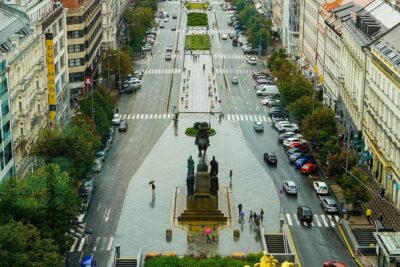
The final part of the tour focuses on the square where the Velvet Revolution happened. This gives the afternoon a clear endpoint: you move from wartime resistance and Communist rule toward the political change that reshaped modern Czechia.
Ending here works well because it brings the story into a public space associated with peaceful political transformation. Rather than finishing at an isolated exhibit, the tour closes in a part of Prague that lets you think about how history unfolded in front of ordinary people.
The exact route and final street position may depend on the day’s arrangements. The activity information says the tour ends back at the meeting point, while the route description also refers to finishing on the square. Confirm the final drop-off details with Discover Prague Tours if you need to meet someone immediately afterward.
This last stop is less about a single object and more about tying the whole afternoon together. You have seen where resistance was remembered, heard how political power changed, and then reached a place connected with the end of Communist rule. The tour leaves you with a modern Prague that feels less decorative and more understandable.
What $34.84 gets you
At $34.84 per person, the price is fair for a two-and-a-half-hour guided tour with public transportation and cathedral admission included. You also get the value of a guide who can provide structure and explanation, something that is difficult to reproduce by simply visiting sites on your own.
The price is especially reasonable if you are new to Prague’s 20th-century story. A guide saves you from assembling the connections yourself from separate books, plaques, and museums. The experience is also efficient: you cover several subjects in one afternoon without arranging each transfer.
The value is less certain if you already know the era well and prefer to explore independently. You may find some introductory material familiar, especially during the Old Town portion. The tour’s worth then depends on the guide’s local examples, personal perspective, and ability to answer questions.
Food and drinks are not included, and there is no lunch. Since the tour starts at 2:30 pm and lasts about 2 hours 30 minutes, eat beforehand or plan a meal afterward. This is a history walk, not a food tour.
Group size, timing, and cancellation terms
The maximum group size is 30 people. That is large enough for the guide’s voice and movement through the city to matter, but it is not an intimate private walk. Stand near the guide if you want to hear every detail, and ask questions during natural pauses.
Confirmation is provided at booking. The tour requires a minimum number of participants, so it can be canceled if that number is not reached. In that case, you are offered another date or experience, or a full refund.
You can cancel free of charge up to 24 hours before the start time for a full refund. Cancellations or changes made less than 24 hours before the 2:30 pm start are not refunded. One unusual practical point is that an illness-related cancellation can happen close to departure, as occurred once when a guide became ill shortly before the tour. That is rare, but you should avoid scheduling an important connection immediately afterward.
Who should book this Prague tour?
I would choose this tour if you want modern political context alongside Prague’s famous architecture. It suits history lovers, students, first-time visitors who want more than the standard Old Town route, and anyone curious about how Prague became the city it is today.
It is also a good pick if you appreciate guides who explain ideas in plain terms. The strongest guide comments focus on clarity, personal insight, humor at suitable moments, and the ability to answer difficult questions.
I would skip it if you want a relaxed sightseeing walk with little discussion of war, occupation, political repression, or resistance. The cathedral crypt is solemn, and the subject requires attention. You should also think twice if you dislike group tours or need a highly specialized accessibility arrangement.
Should you book the World War II and Communism Tour?
Book it if you want to understand Prague beyond its churches, towers, and handsome squares. The included crypt visit gives the tour a powerful center, while public transportation helps it cover more ground without logistical fuss.
At $34.84, it offers solid value, especially for a first introduction to the city’s recent past. The main variables are the guide assigned to your date and your own interest in the subject. If you are willing to listen closely and spend an afternoon with serious material, this tour can give your Prague visit a much stronger sense of place.
FAQ
How long does the World War II and Communism Tour last?
The tour lasts approximately 2 hours 30 minutes.
What time does the tour start?
The scheduled start time is 2:30 pm.
Where does the tour begin?
It begins at Discover Prague Tours, Týnská 639/4, Staré Město, 110 00 Praha-Praha 1, Czechia.
What sights are included?
The route includes a walk through Prague’s Old Town Square, entry into St Cyril and St Methodius Cathedral and its crypt, and a final stop at the square associated with the Velvet Revolution.
Is public transportation included?
Yes. Public transportation between sights is included in the tour price.
Is cathedral admission included?
Yes. The entrance ticket for St Cyril and St Methodius Cathedral is included.
Can I cancel for a full refund?
Yes. You can cancel at least 24 hours before the local start time for a full refund. Cancellations or changes made less than 24 hours before the start are not refunded.
Recently added around Prague
- St Vitus Cathedral and Prague Castle Private Walking Tour★ 4.0 · 3 reviews
- Prague: Old Town and Jewish Quarter Small-Group Tour★ 5.0 · 3 reviews
- Royal Splendor Unveiled Private Prague Castle Interior Tour★ 3.5 · 3 reviews
- Prague Castle Interiors & Changing of the Guard-Small group★ 5.0 · 3 reviews
- Prague: Bohemian & Saxon Switzerland National Park Day Trip★ 5.0 · 3 reviews
- Running Tour of Prague. Your private 6-9K intro★ 5.0 · 3 reviews
- PRAGUE AIRSOFT SHOOTING GAMES★ 4.7 · 3 reviews
- Private walking tour and Boat cruise Best of Prague★ 5.0 · 3 reviews
Communism and Cold War Tours, compared.
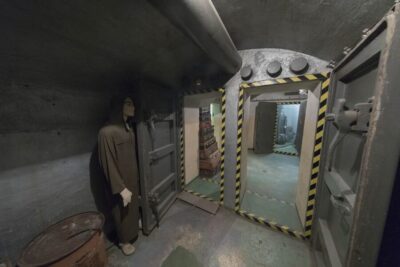
Communism History and Nuclear Bunker Guided Tour
Read our review →
Prague Communism History and Nuclear Bunker Tour
Read our review →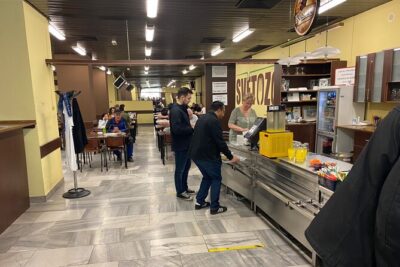
Communism & Nuclear Bunker Tour + 70s Canteen Lunch (own expense)
Read our review →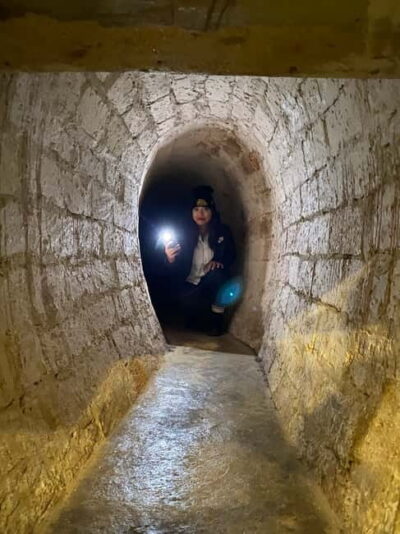
Communism and Bunker Tour with 70s Canteen Lunch
Read our review →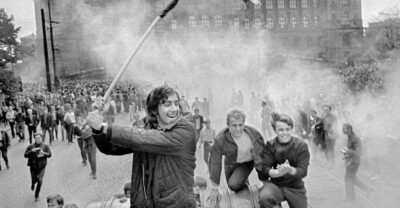
Second World War & Communism (Tip-based 3 hour tour)
Read our review →
Browse the lists this tour appears in